Contested Digital Borders from Juárez to Guizhou
In this two-part slide series, the authors present original research on how digital infrastructure is configured in relation to national borders. A Typology of US-Mexico Border Surveillance and its Counter-Imaginaries by Isadora Bratton-Benfield and Crosscurrents at the US and China Digital Border by Isadora Bratton-Benfield, Martina Wu, and Xuewei (Sylvia) Luo, are available to view and download below.
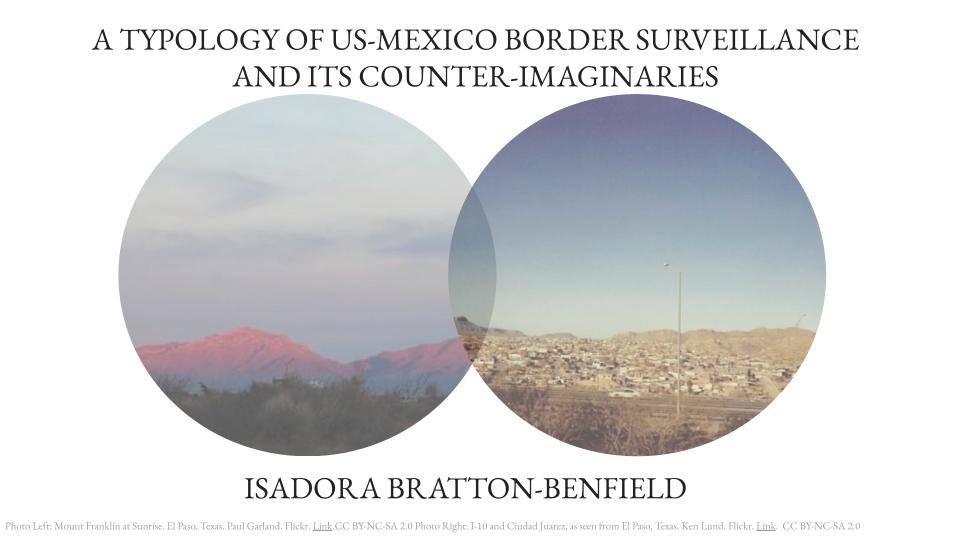
A Typology of US-Mexico Border Surveillance and its Counter-Imaginaries | Download PDF
By Isadora Bratton-Benfield
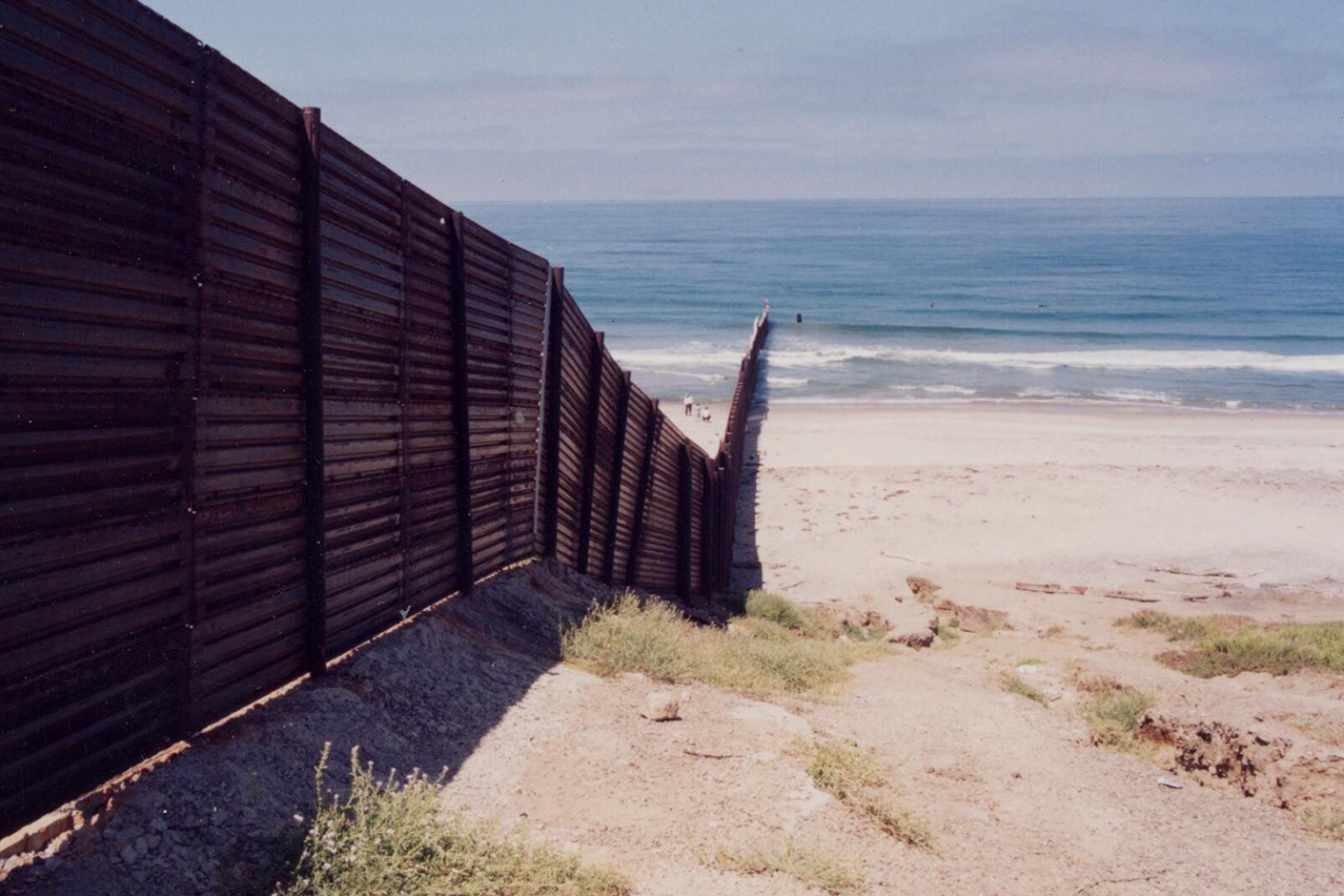
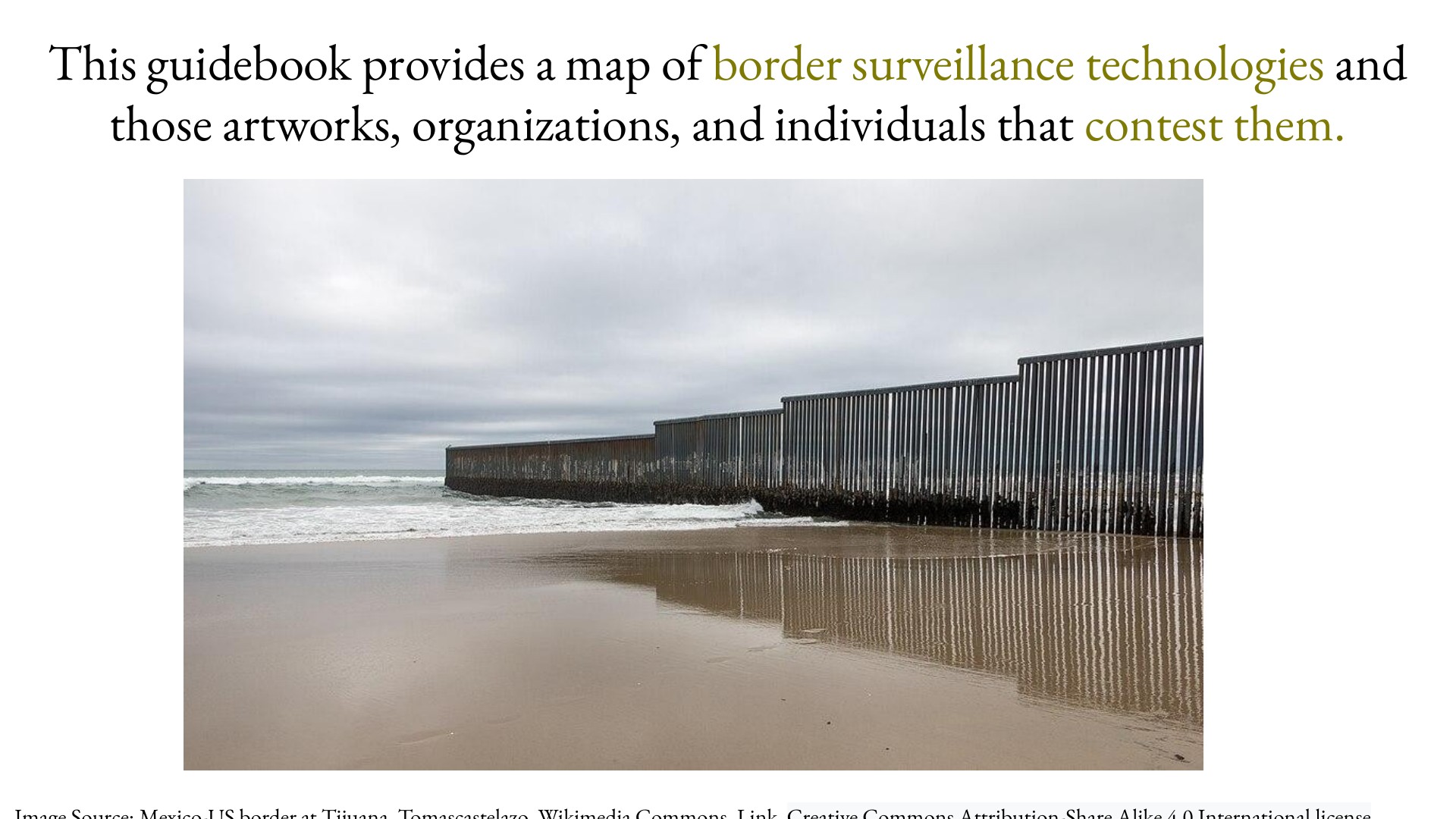
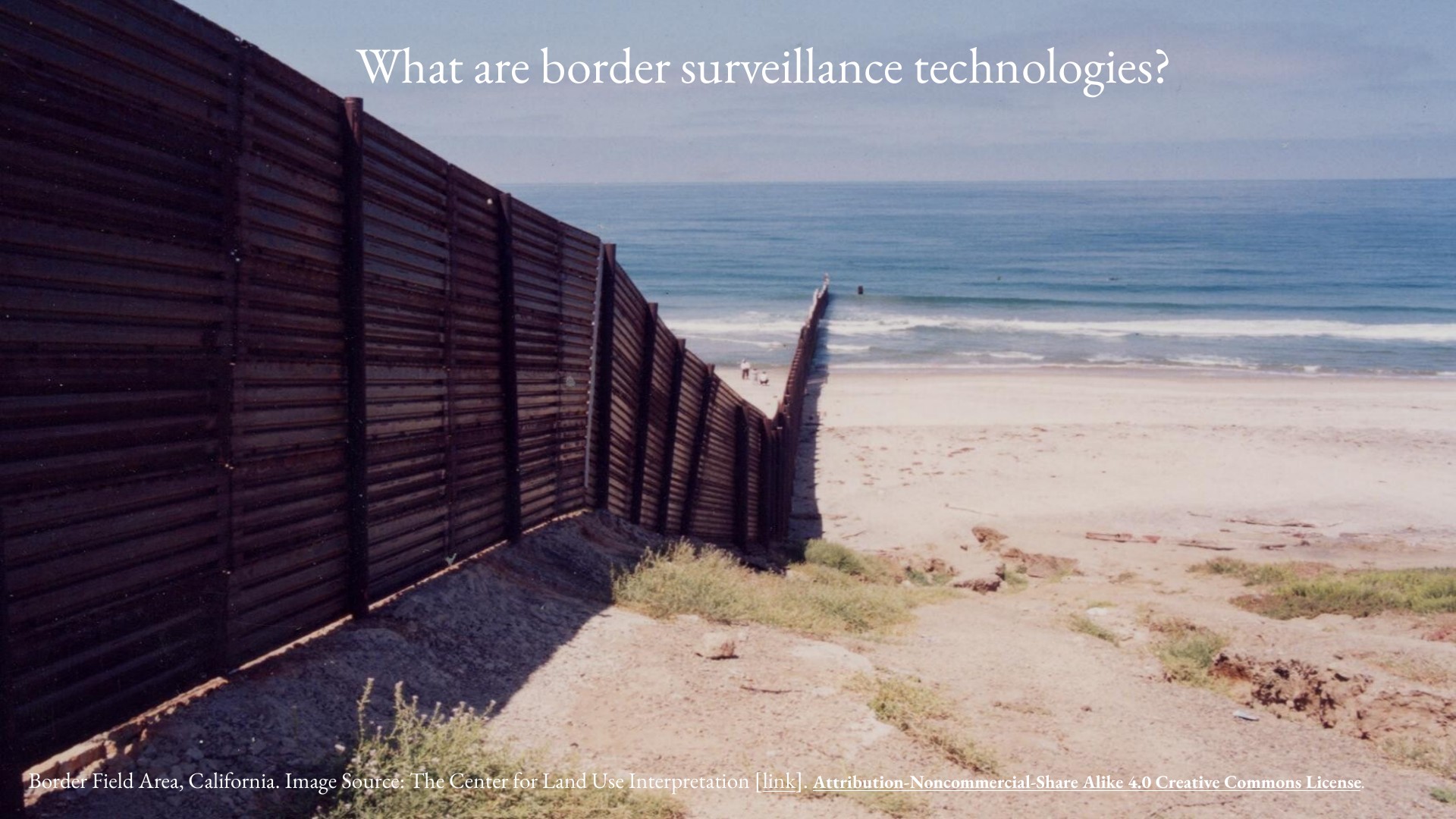
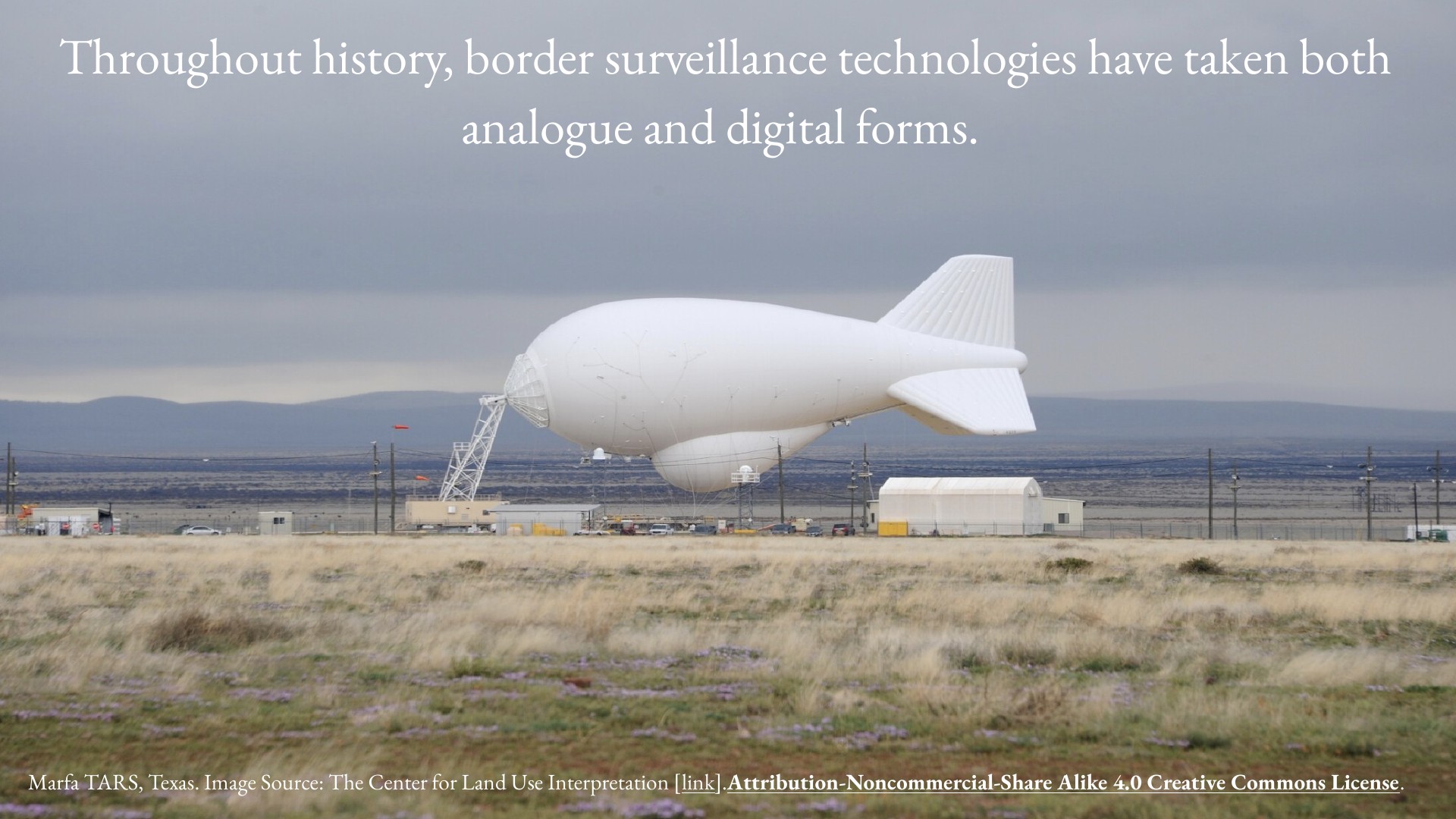
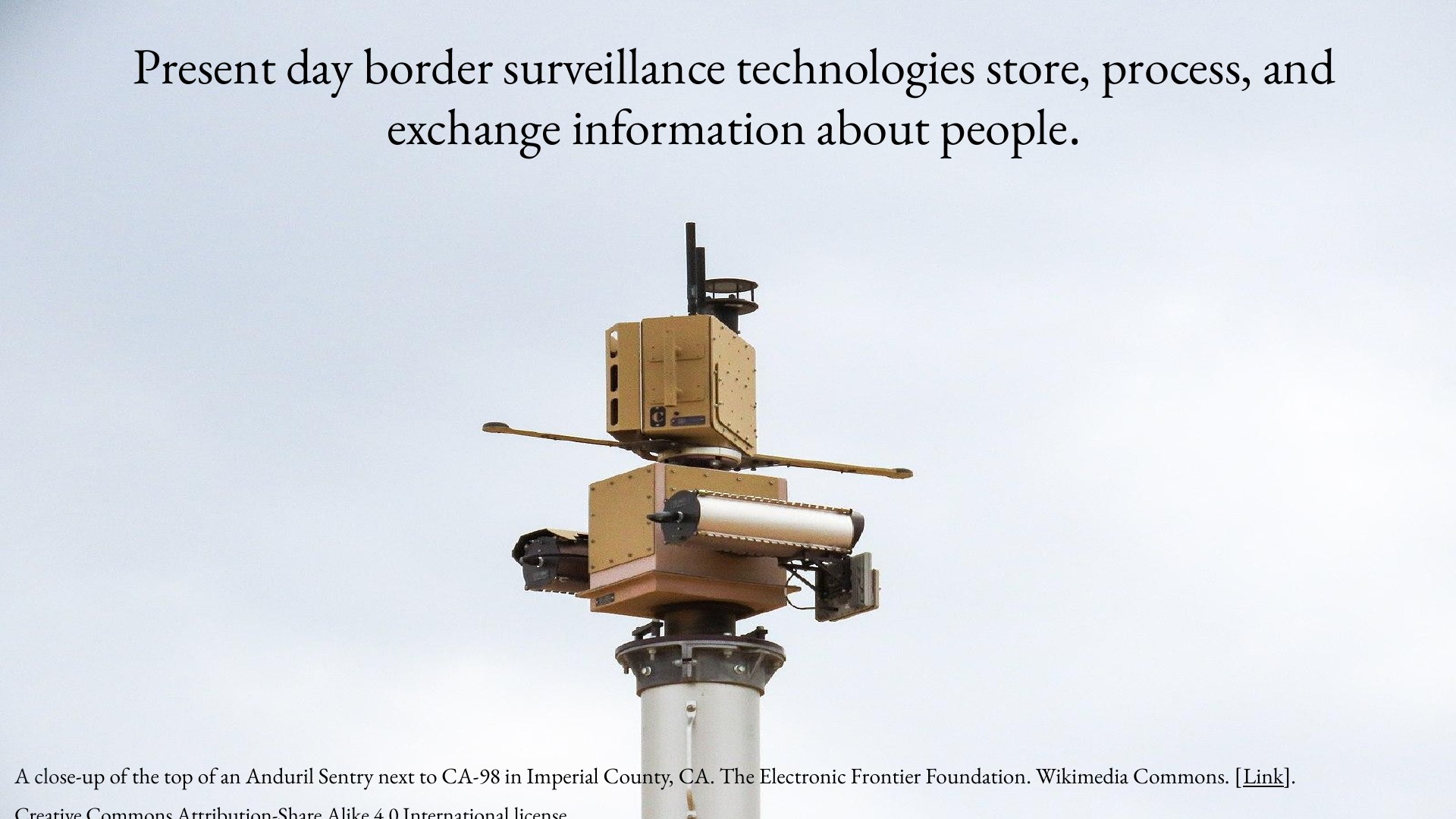
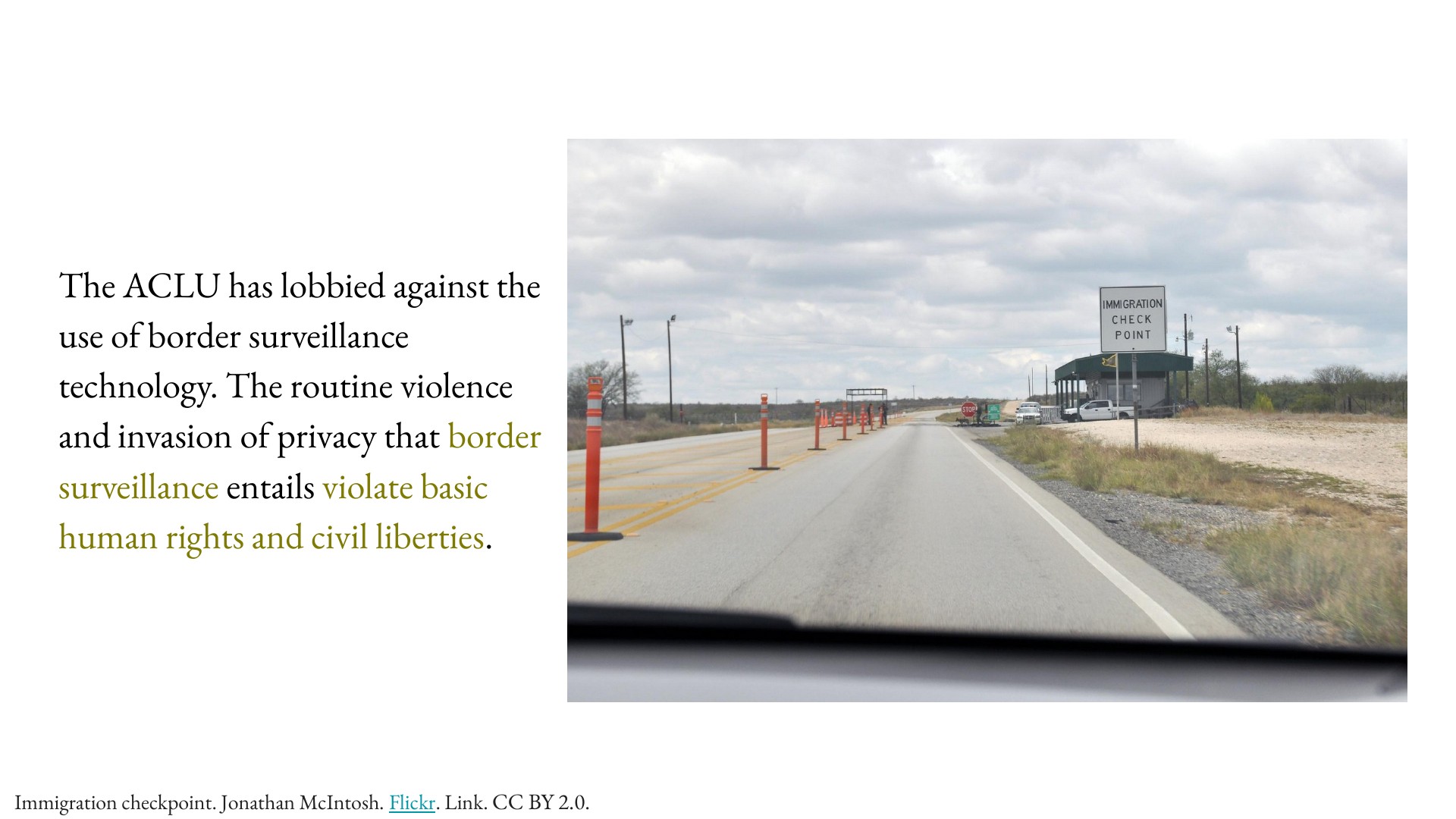
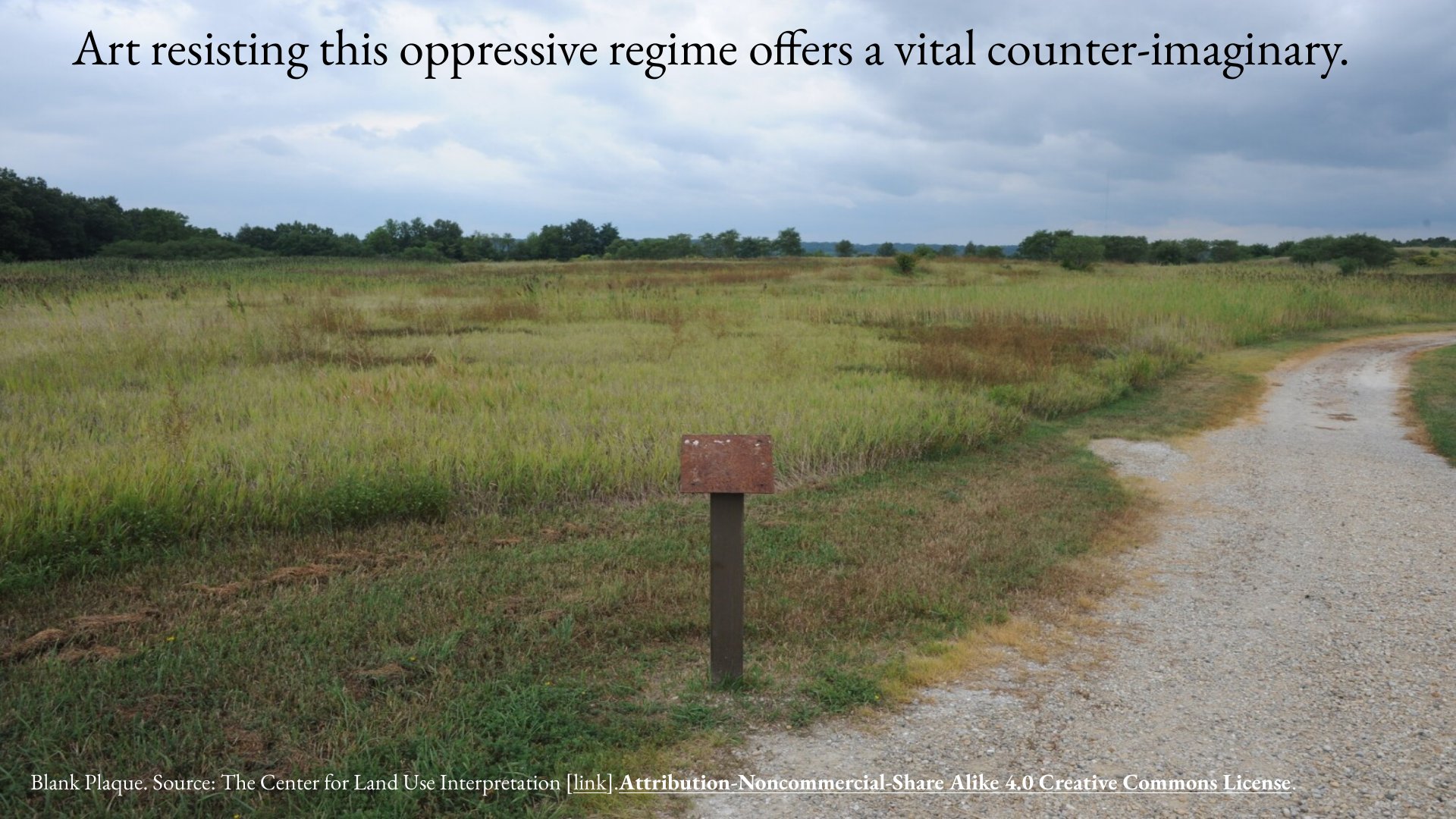
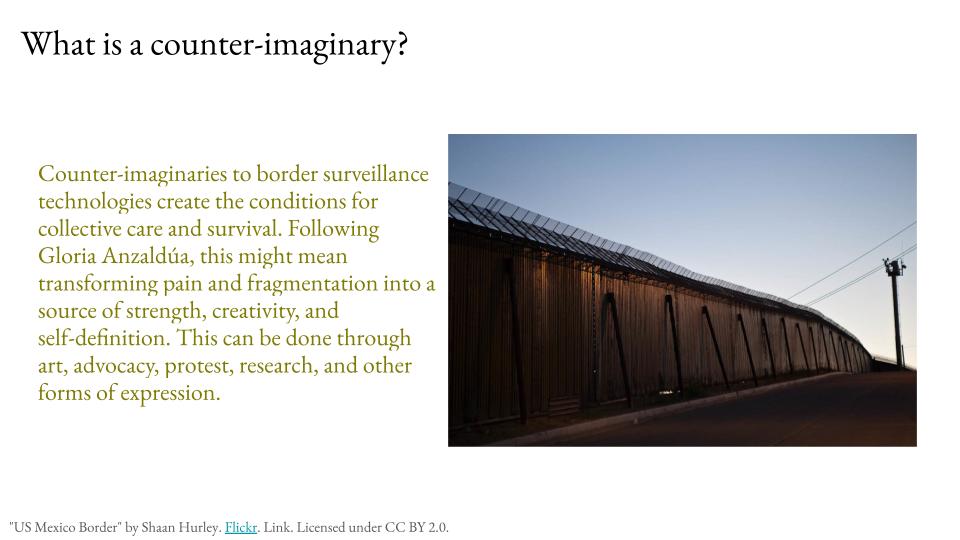
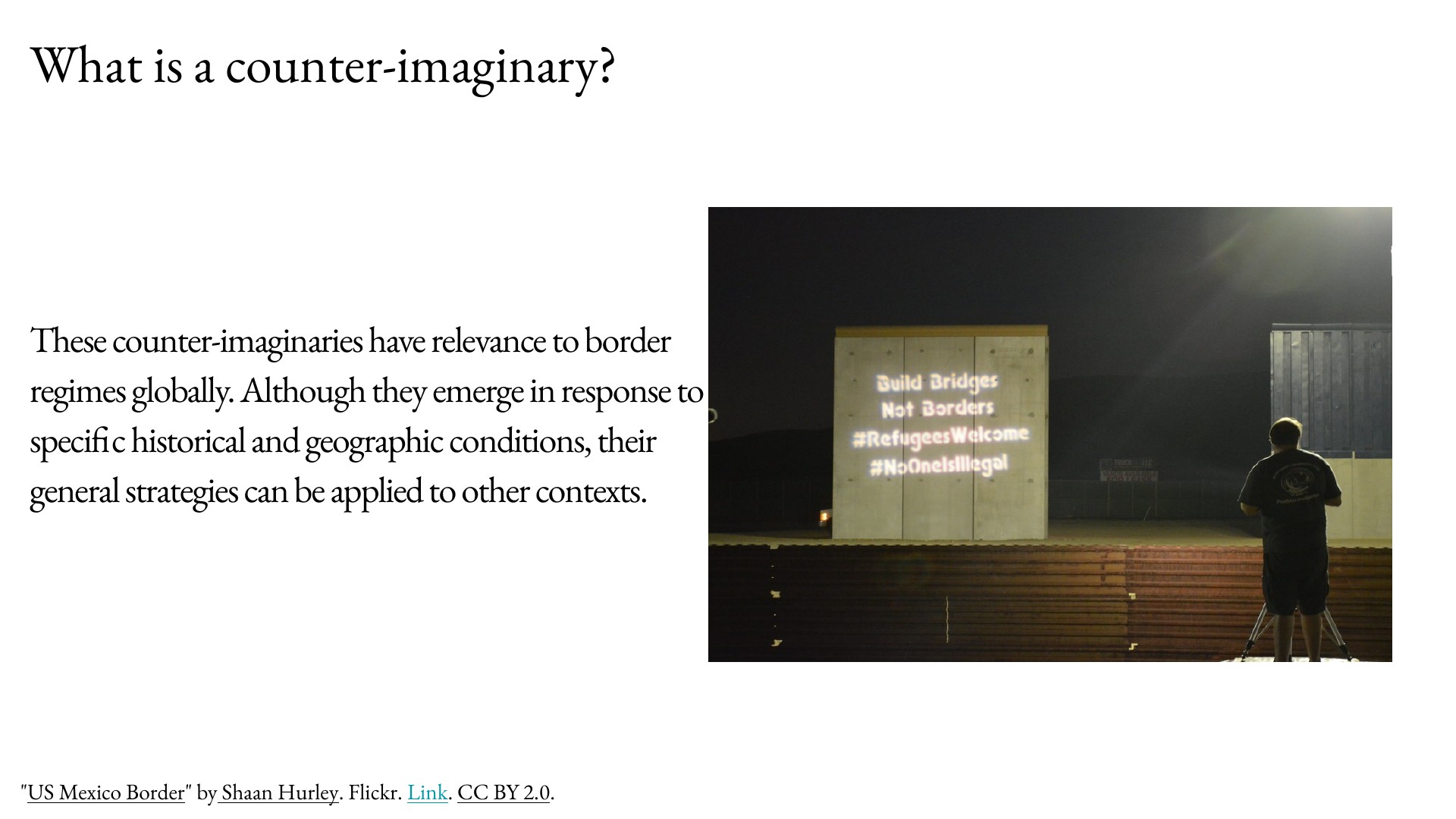
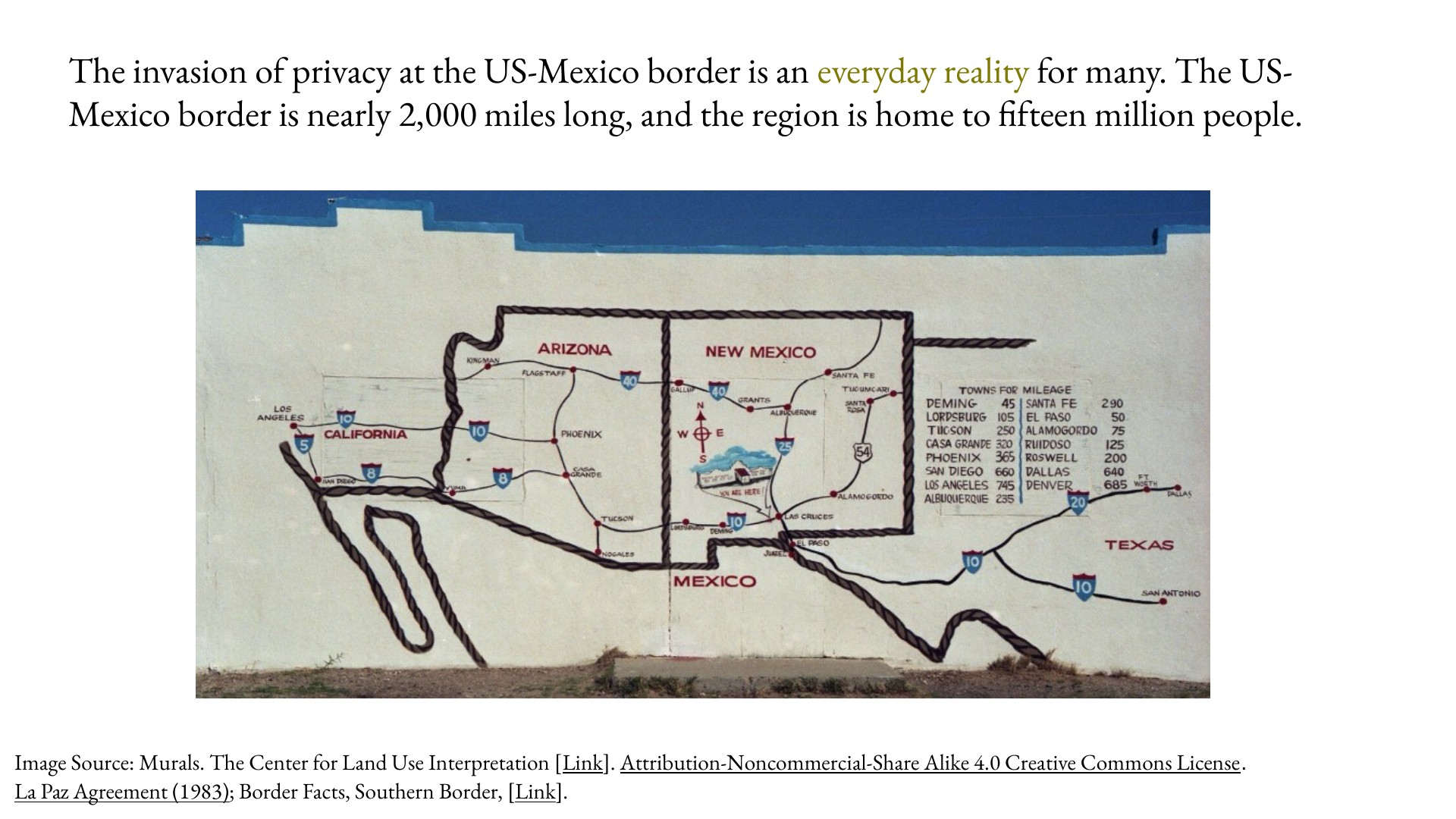
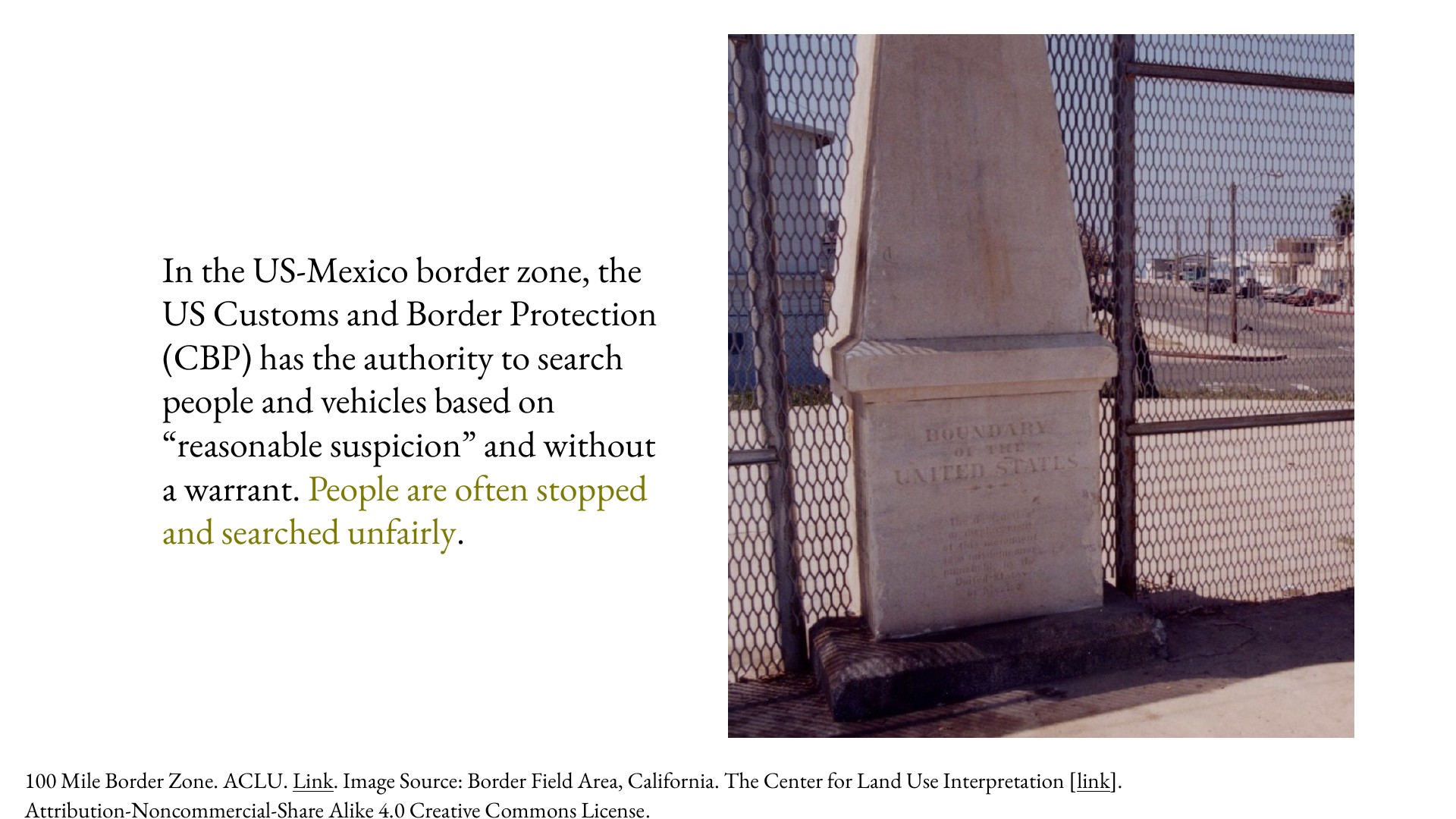
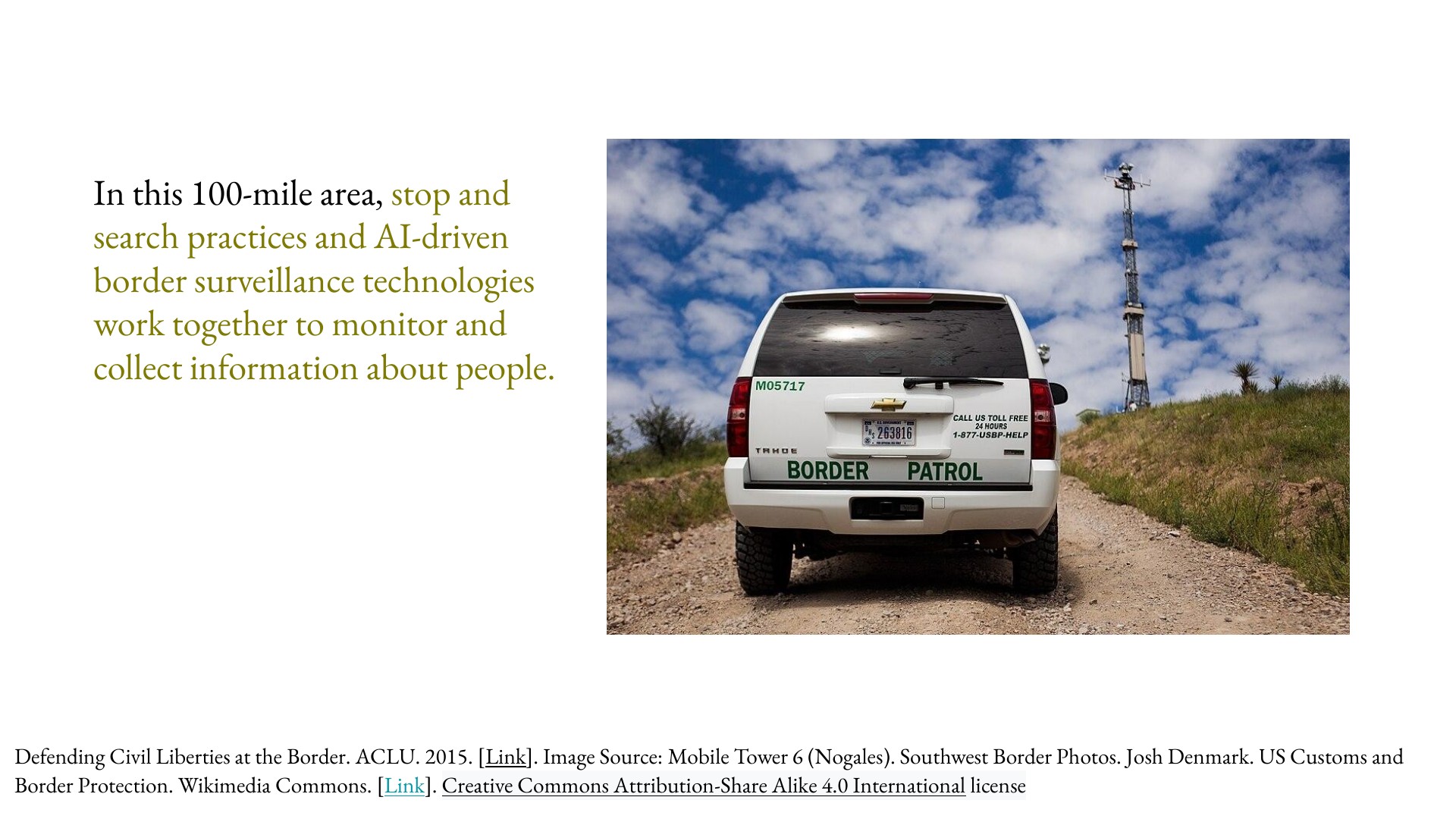
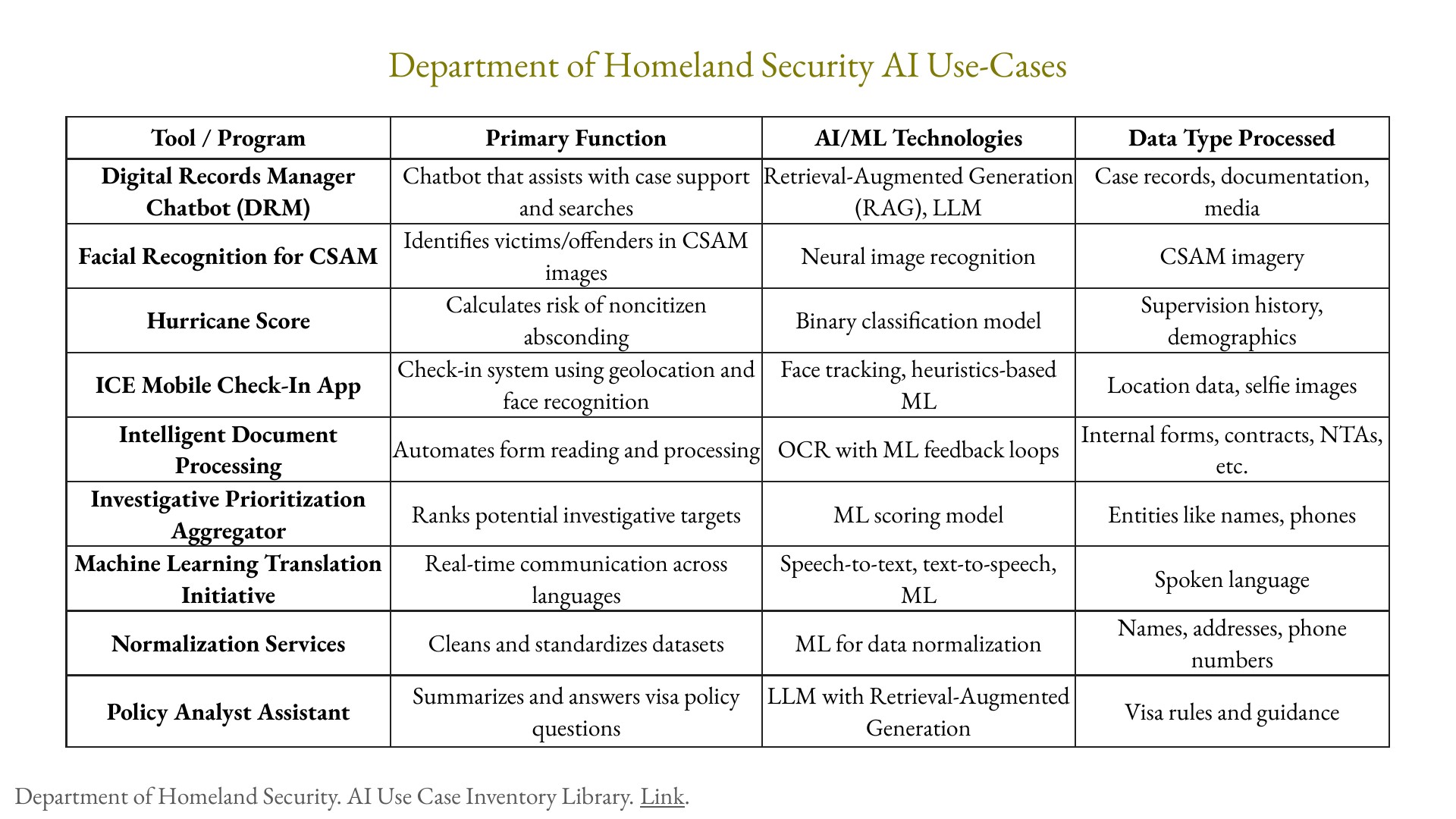
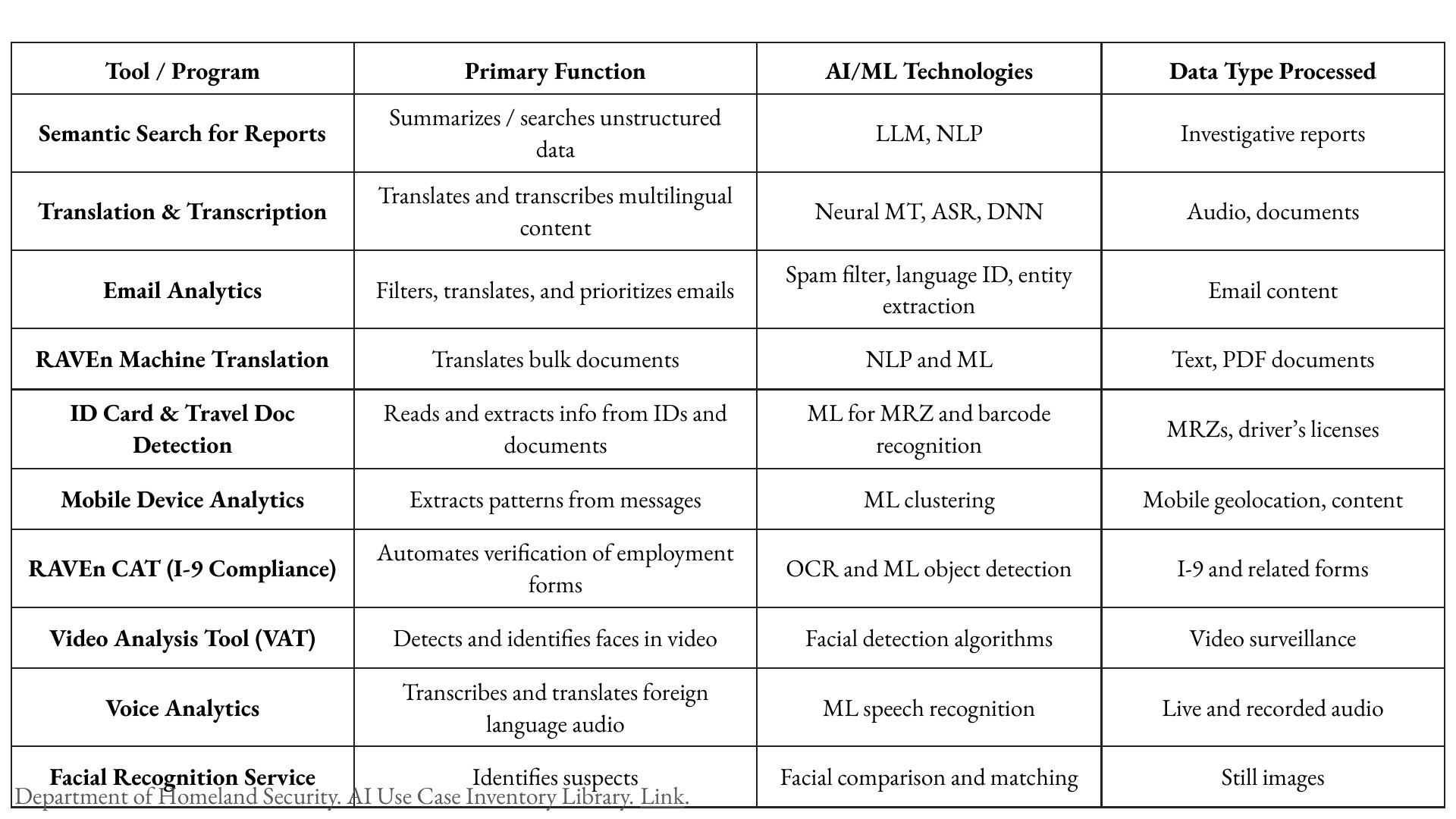
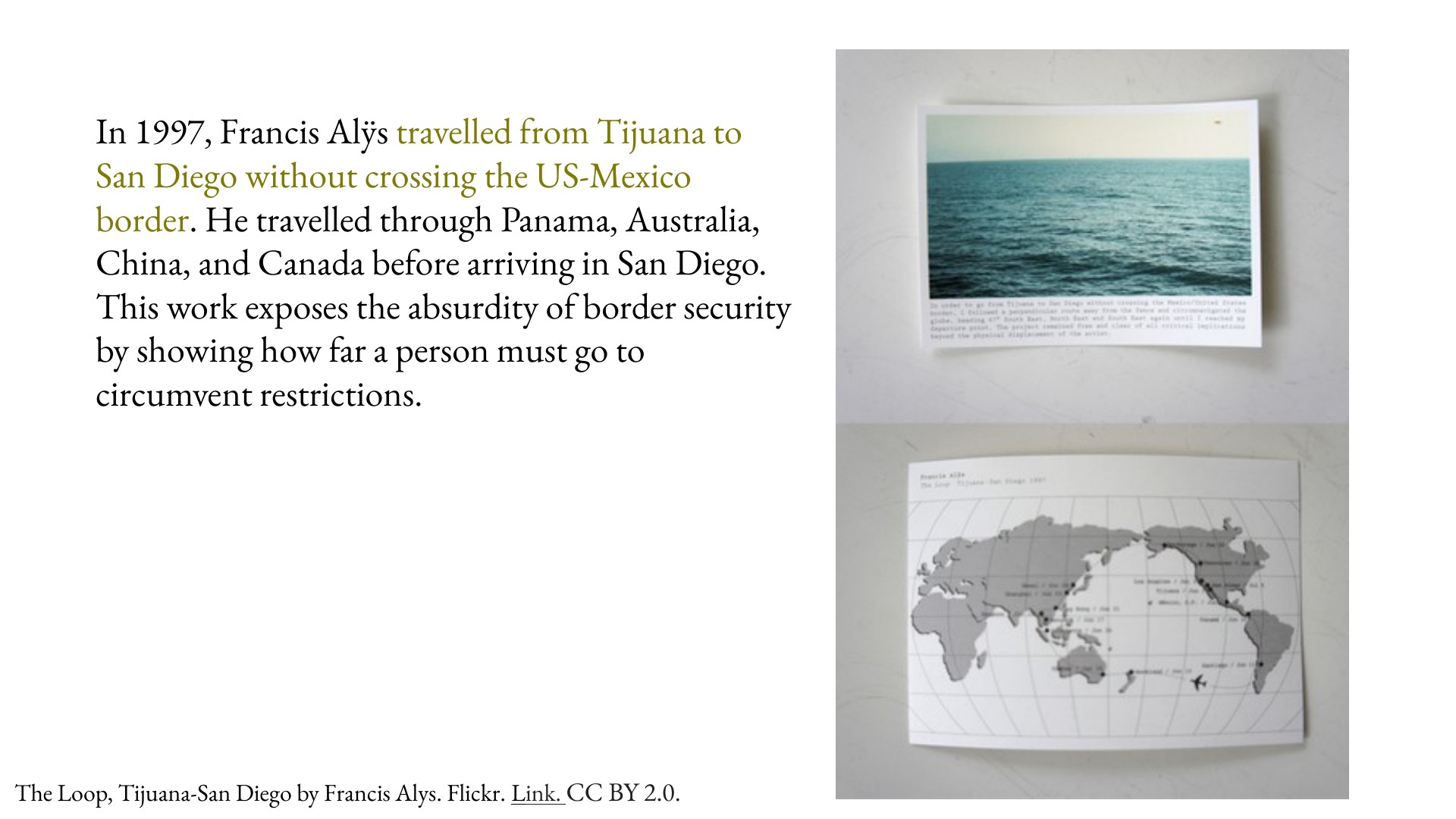
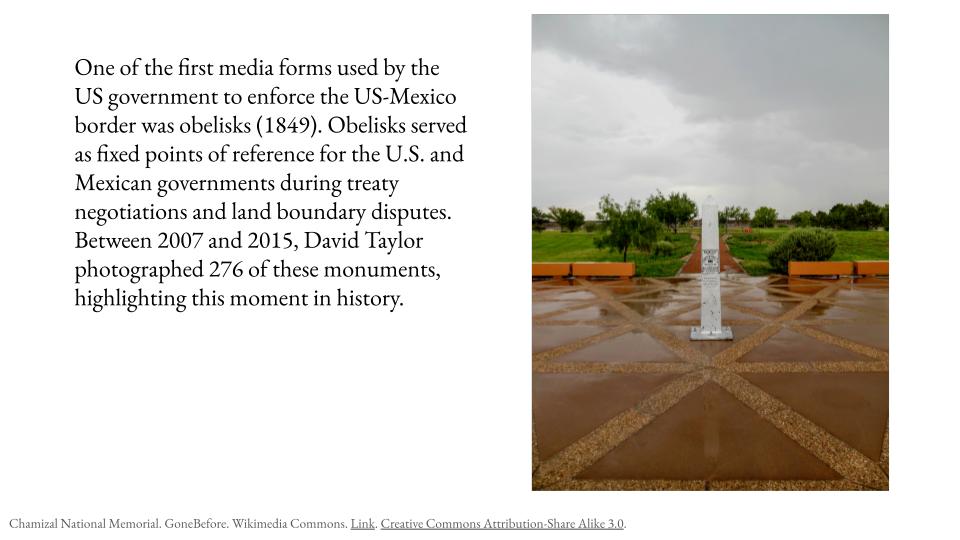
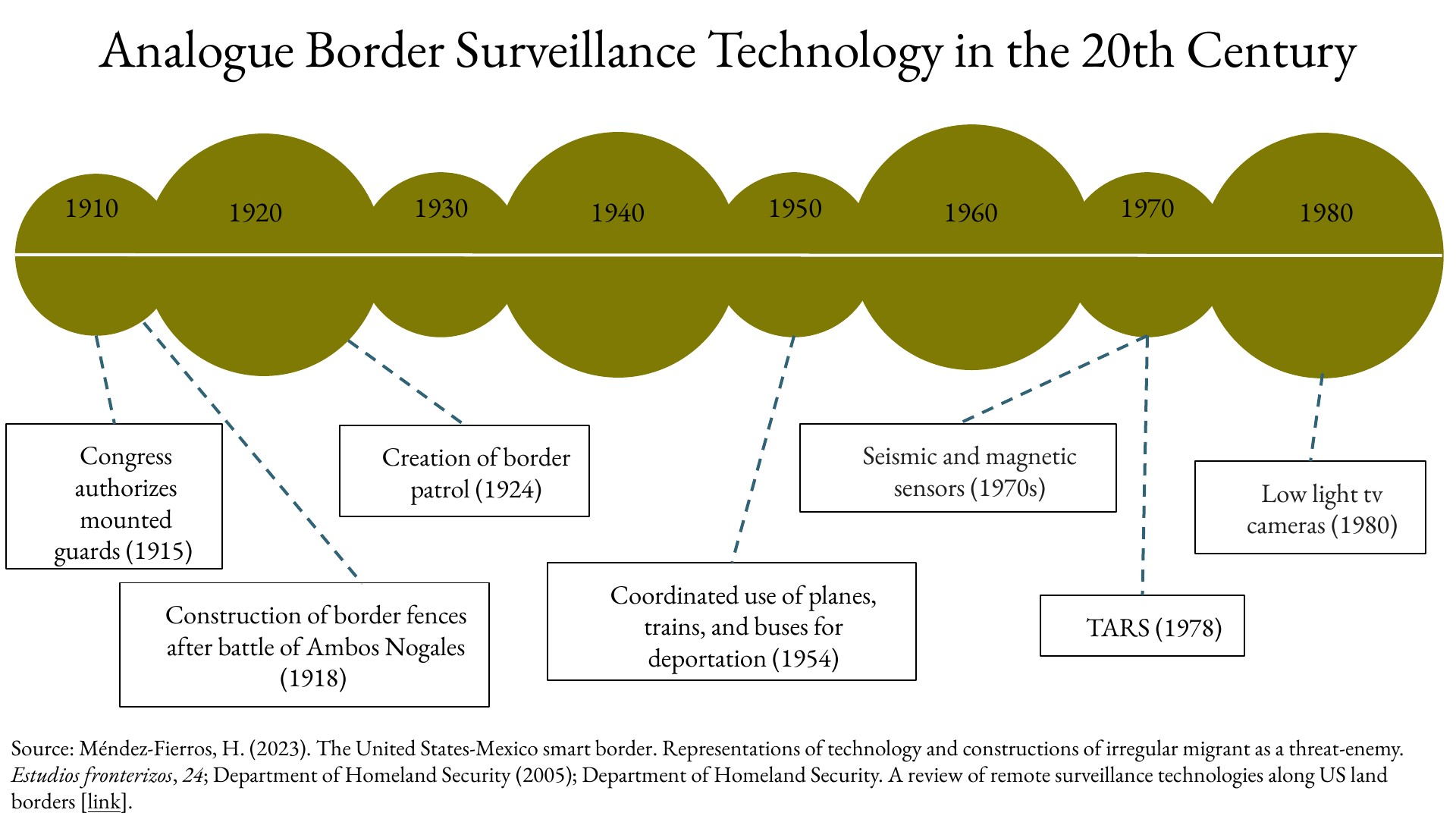
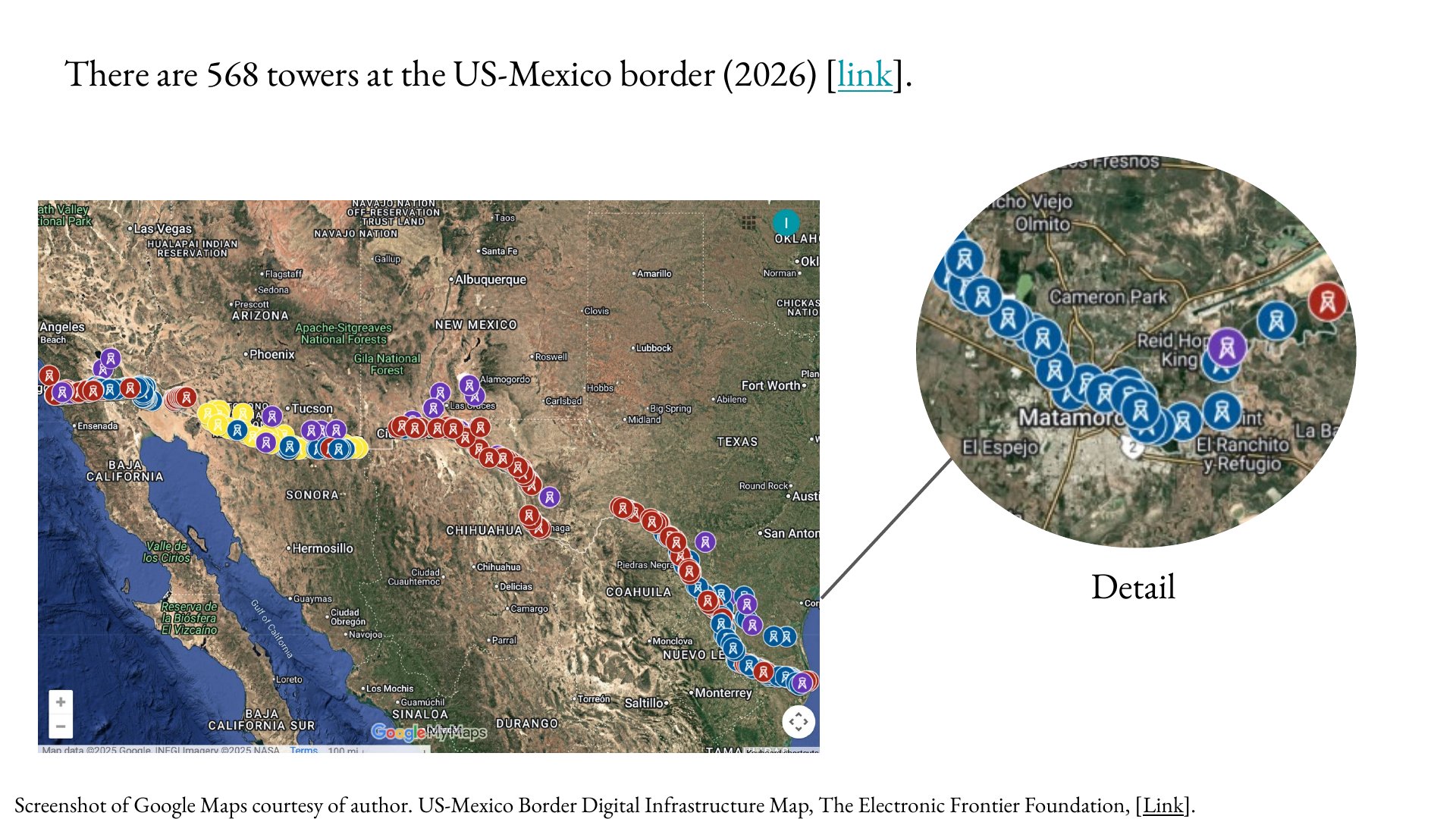
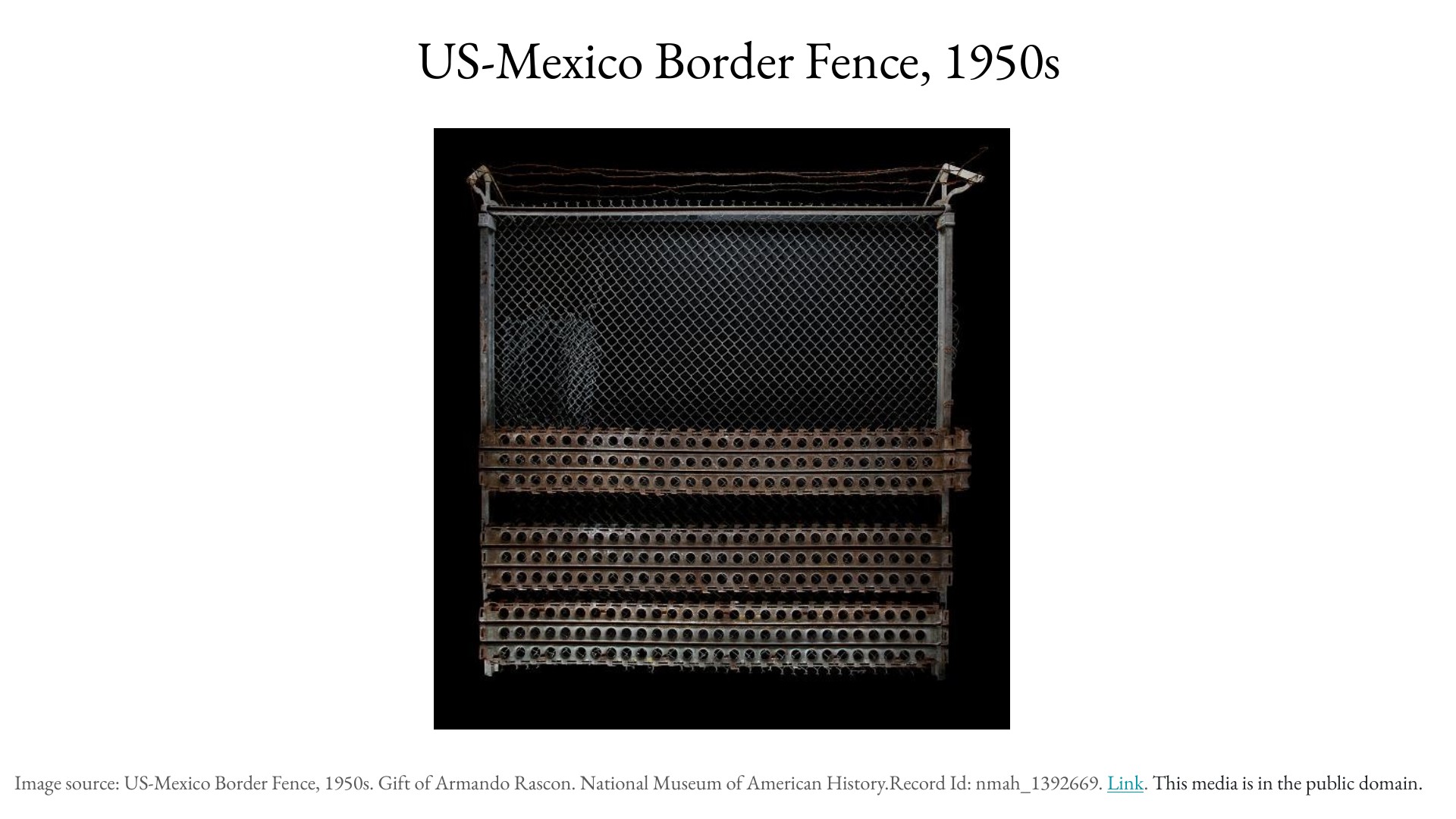
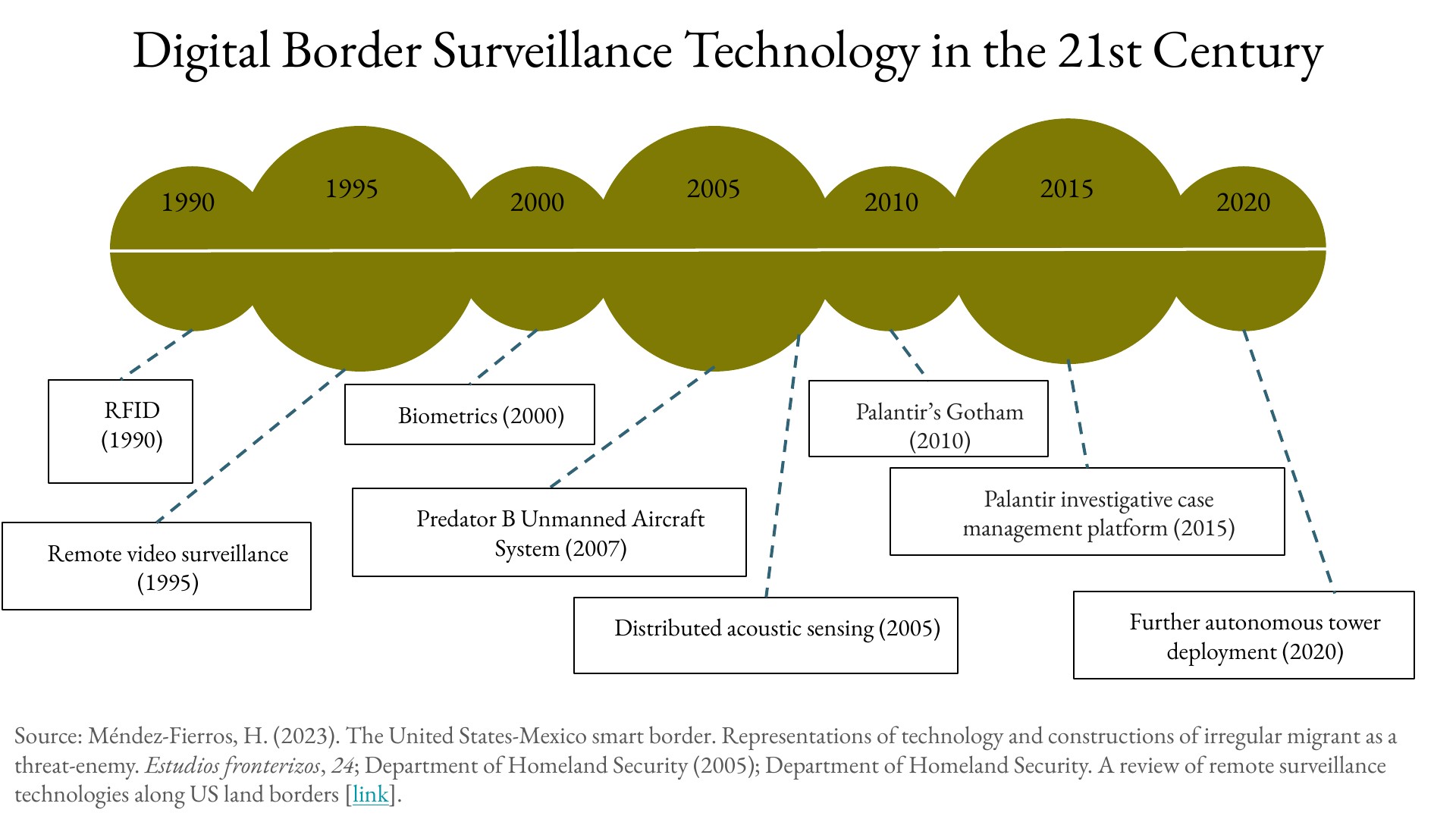
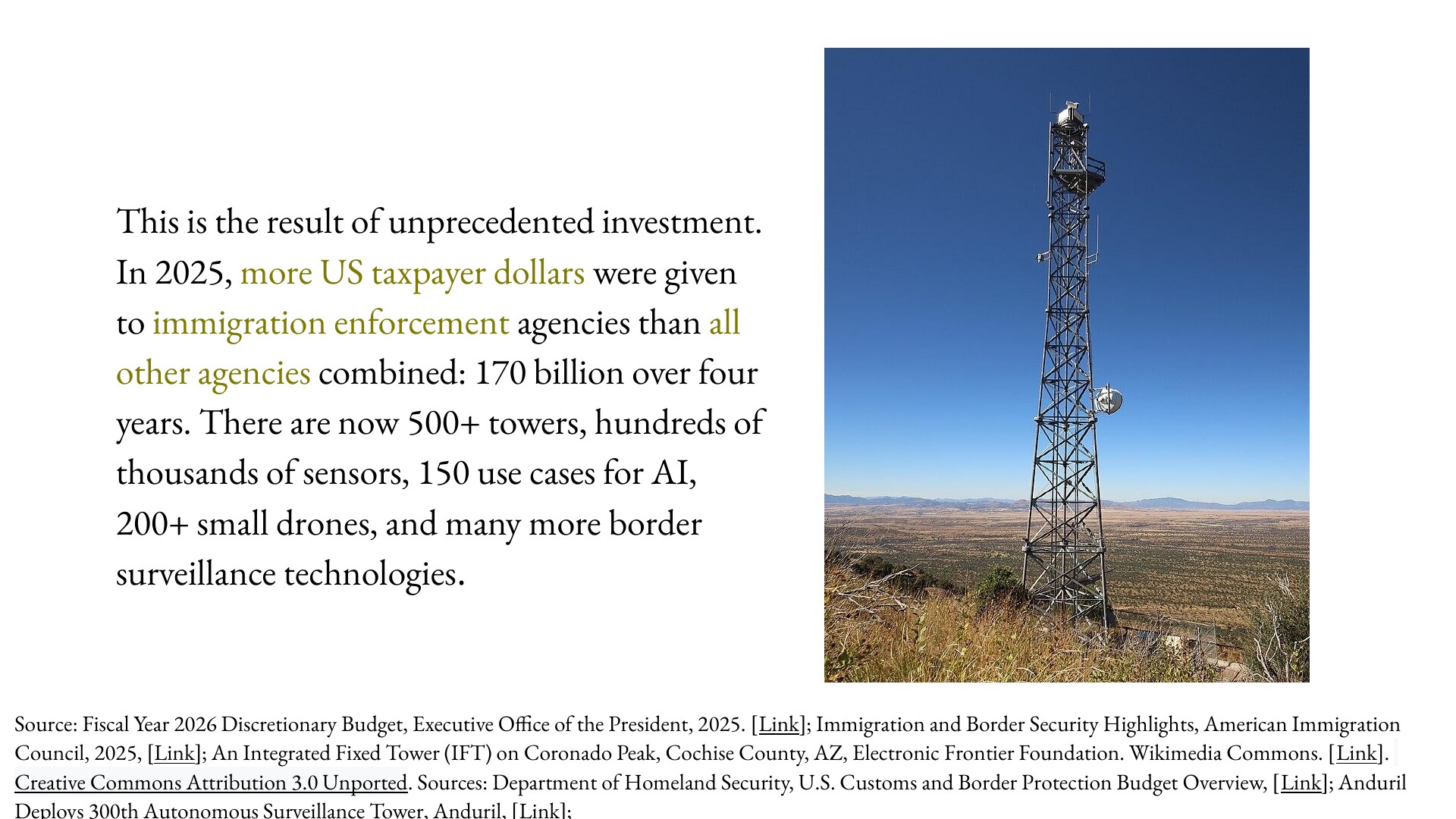
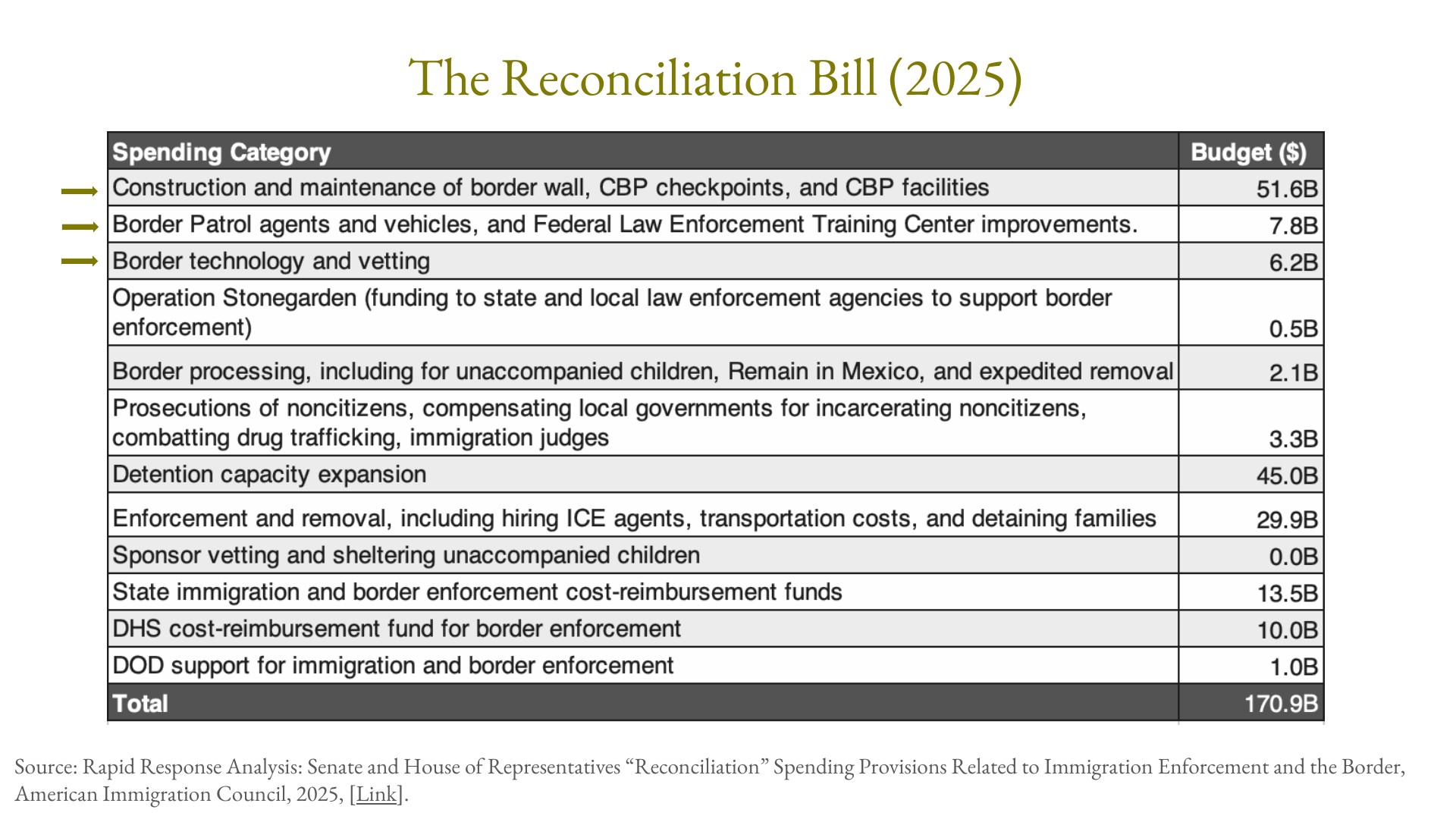
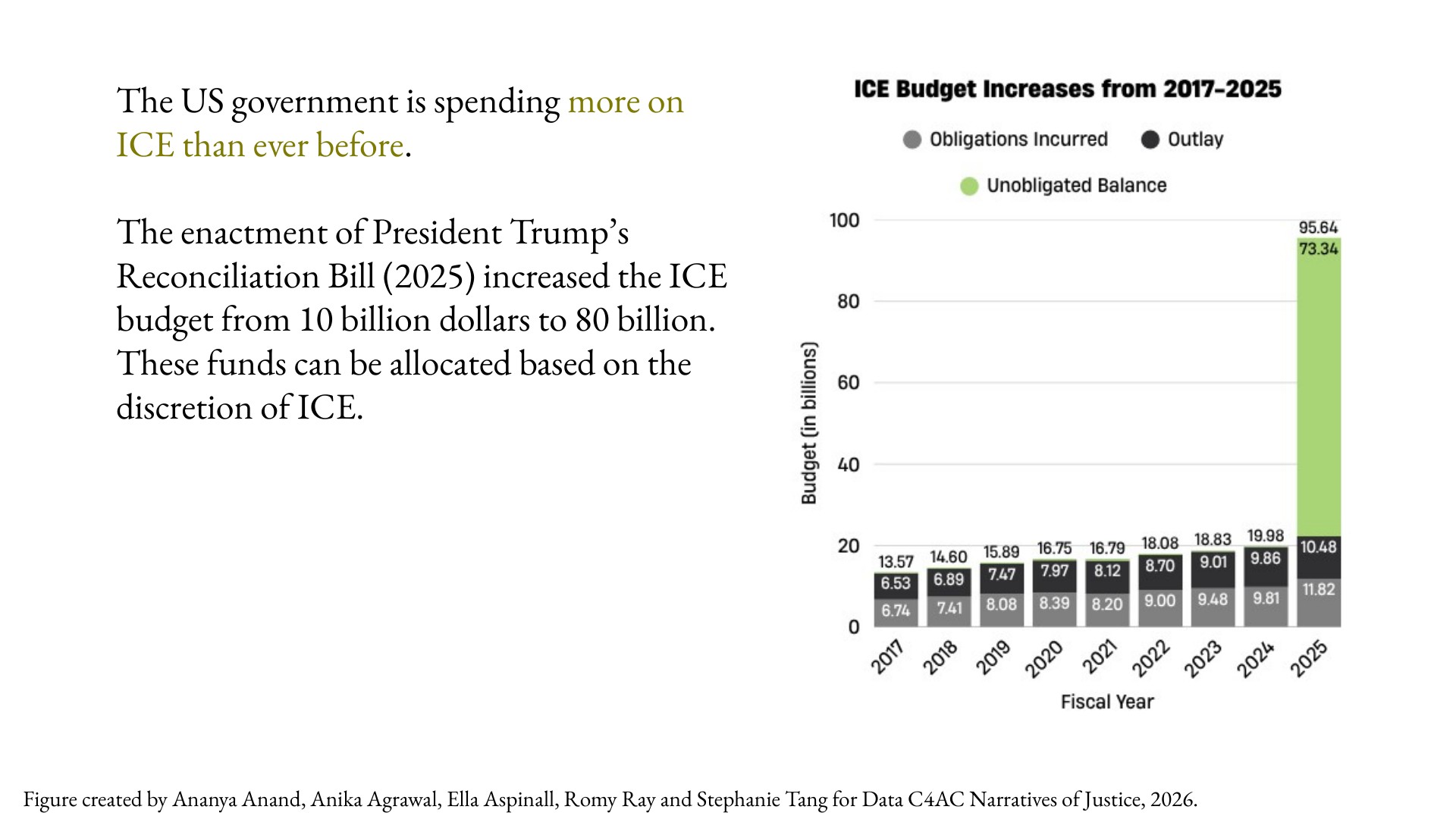
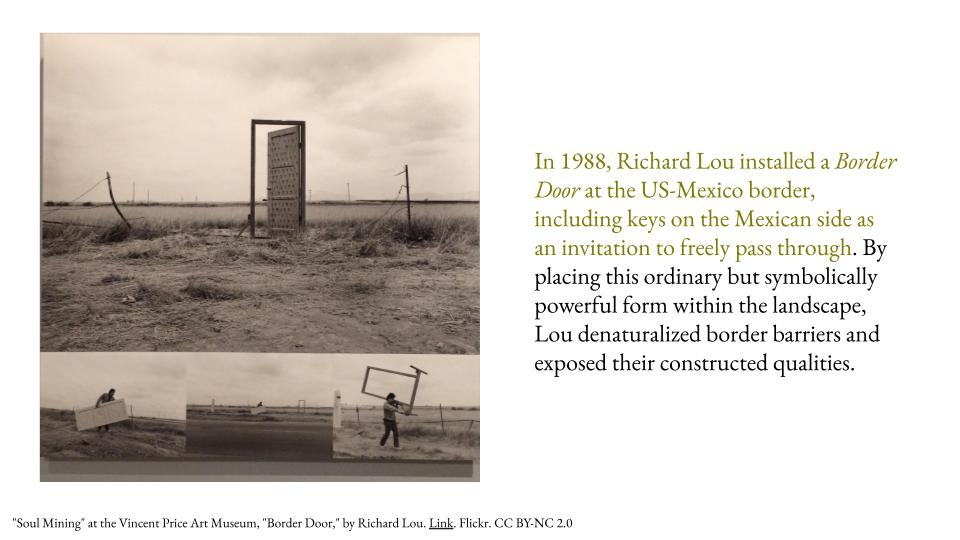
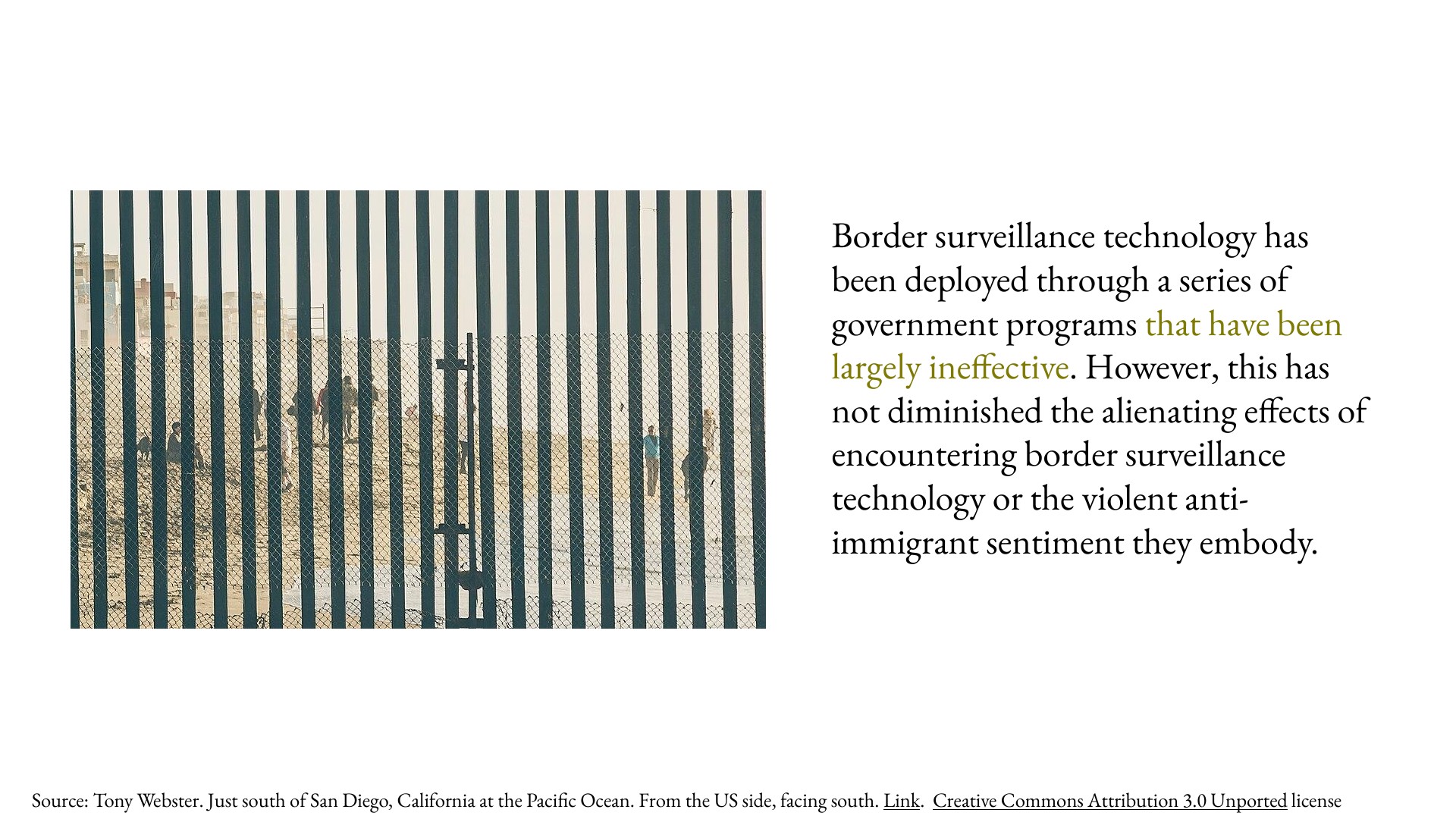
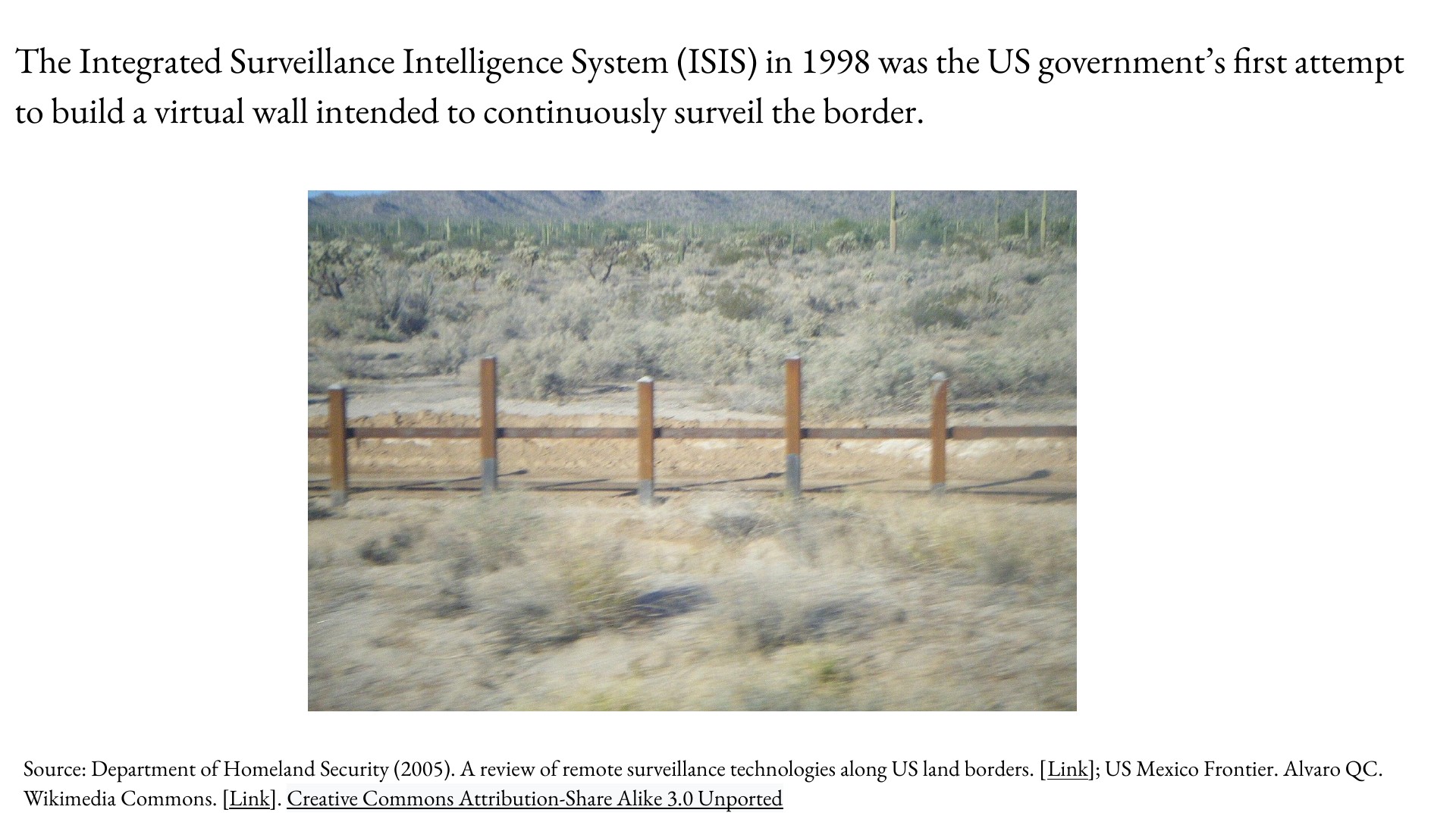
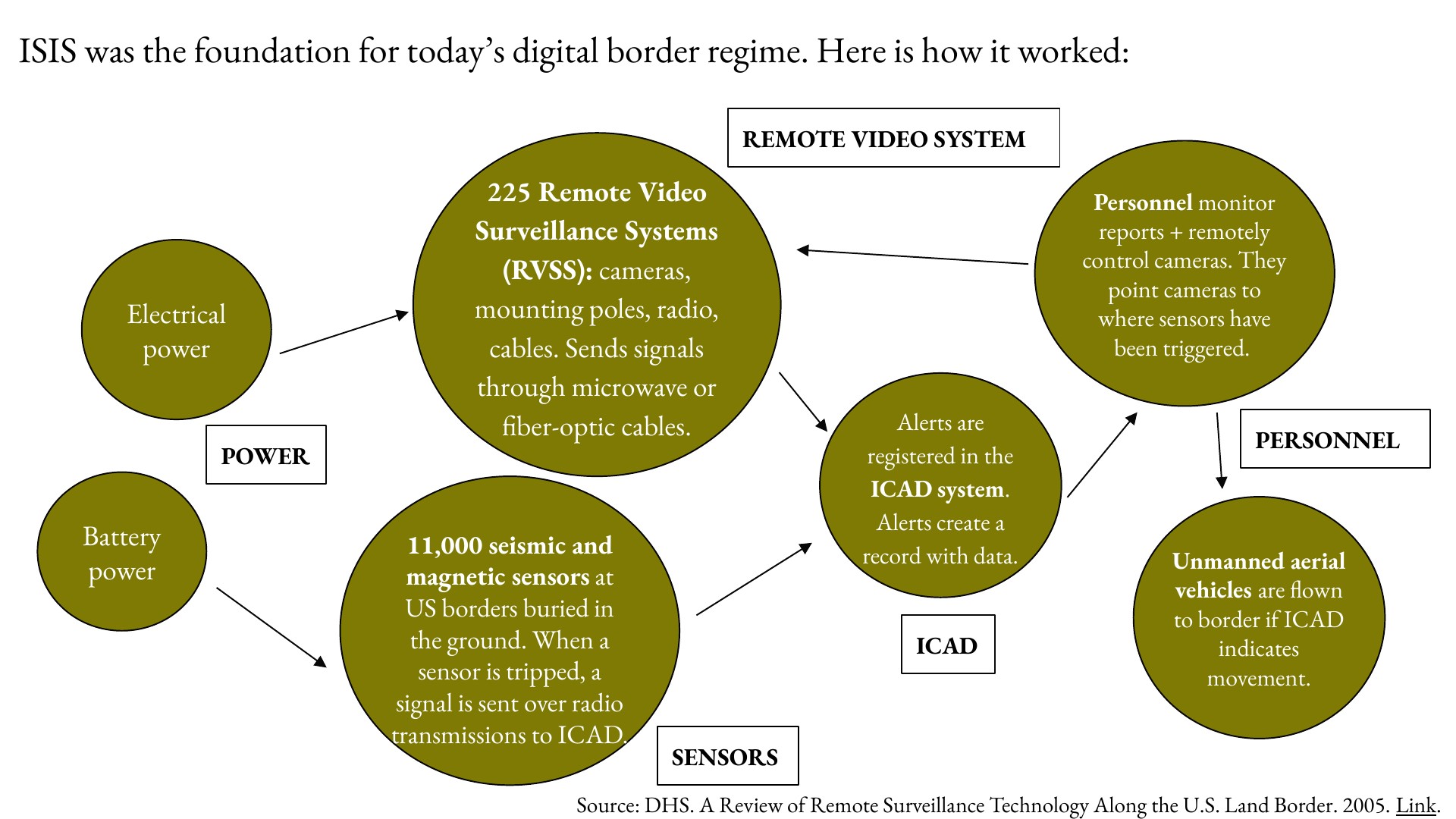
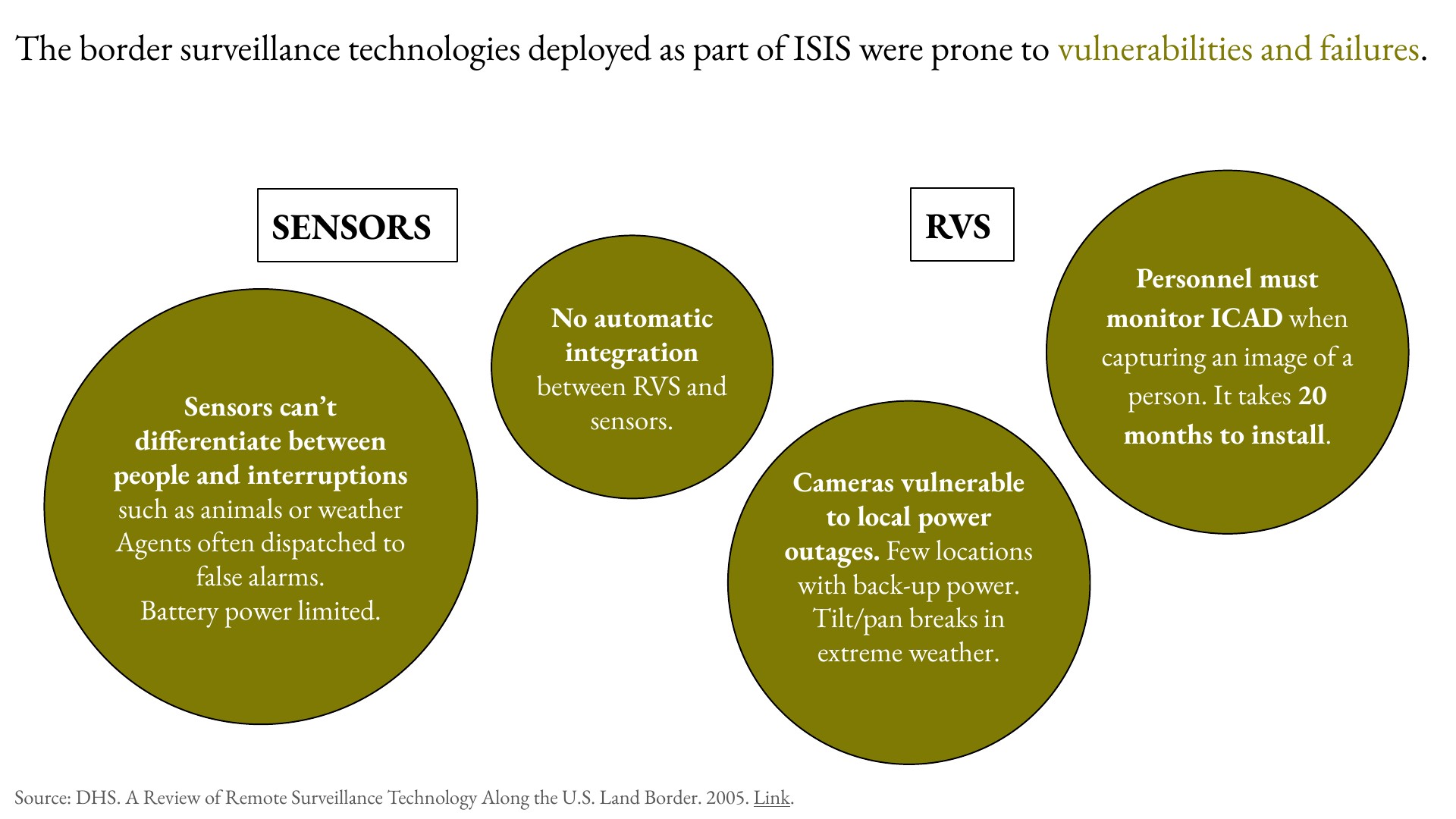
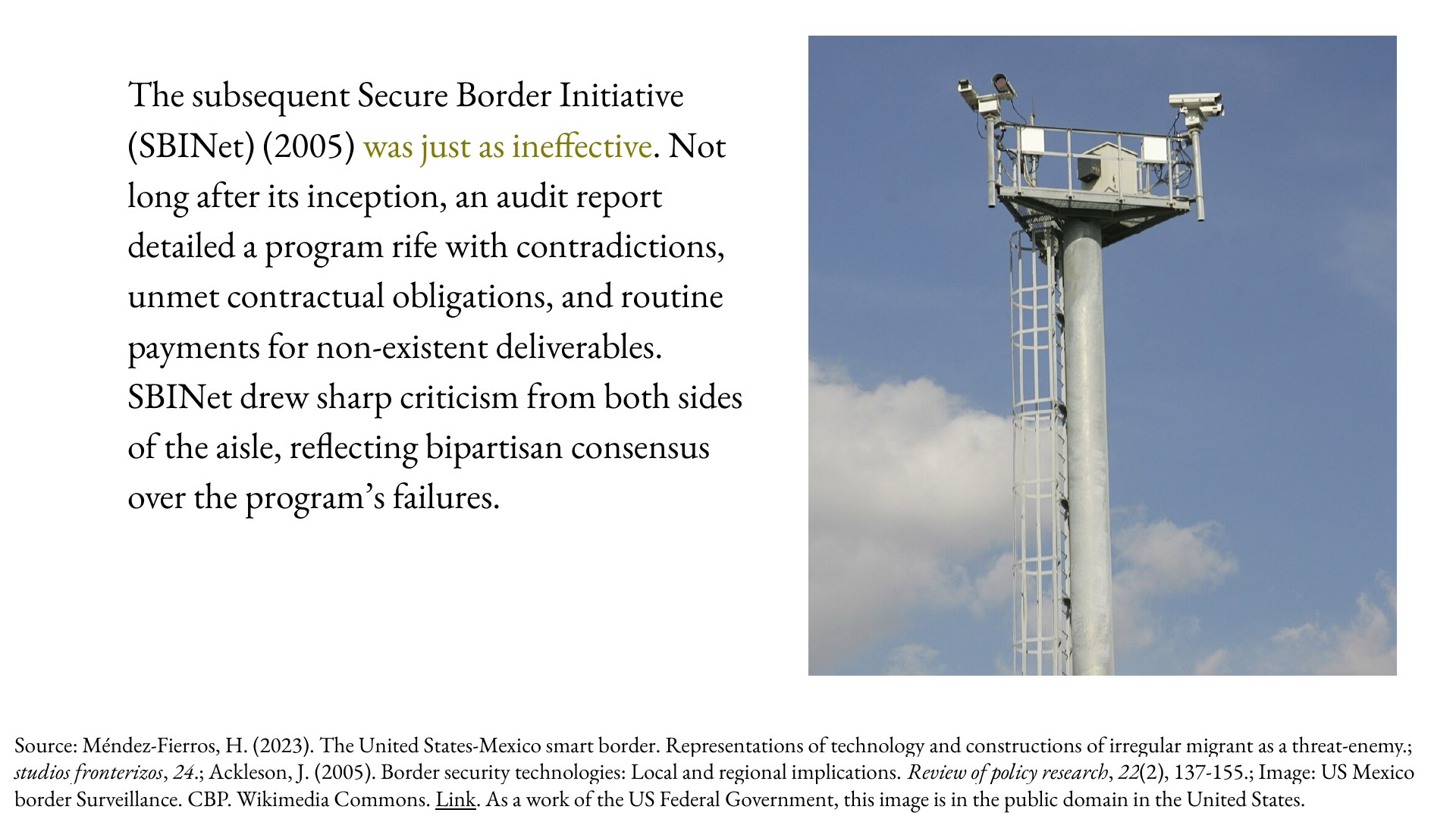
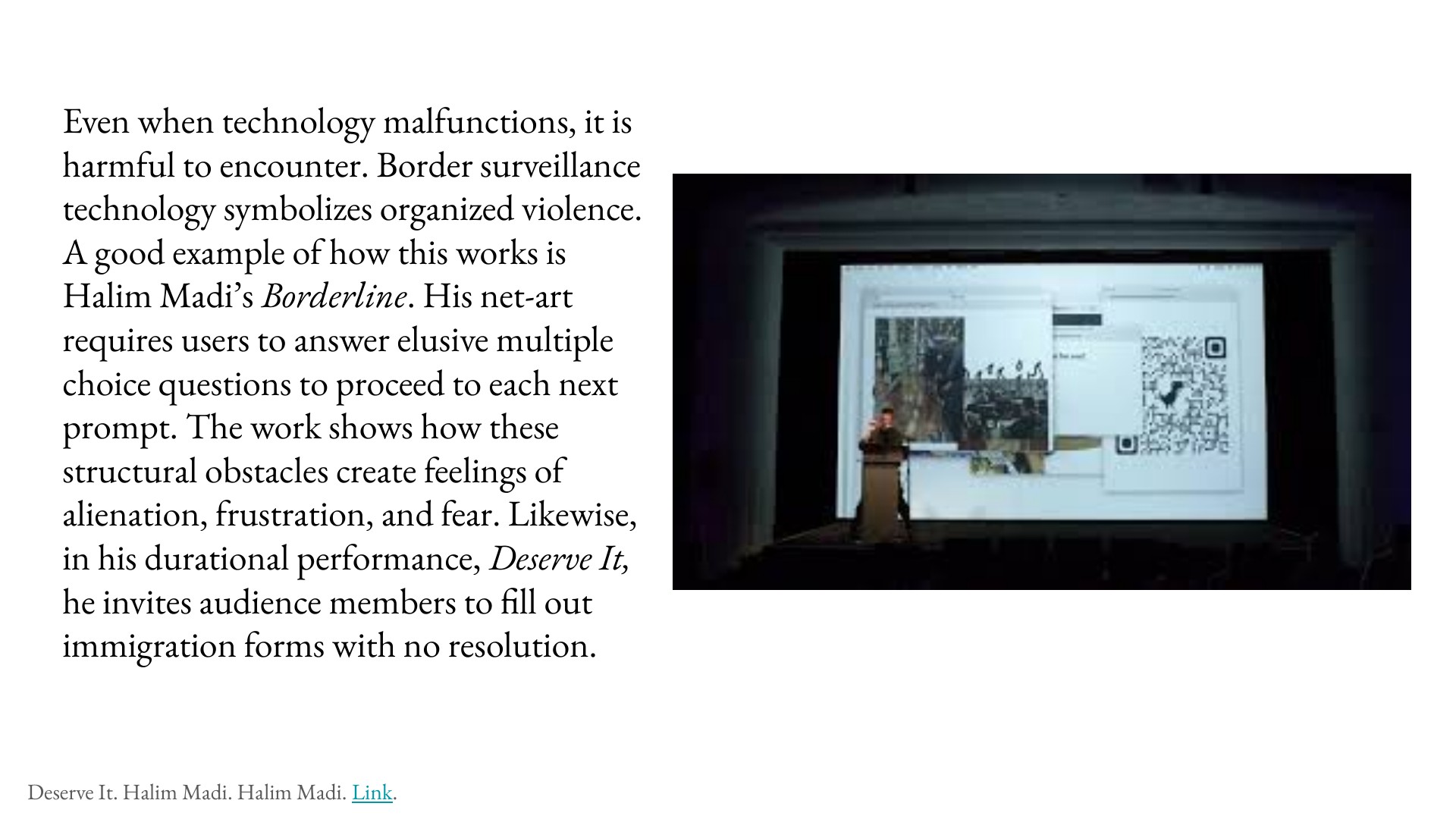
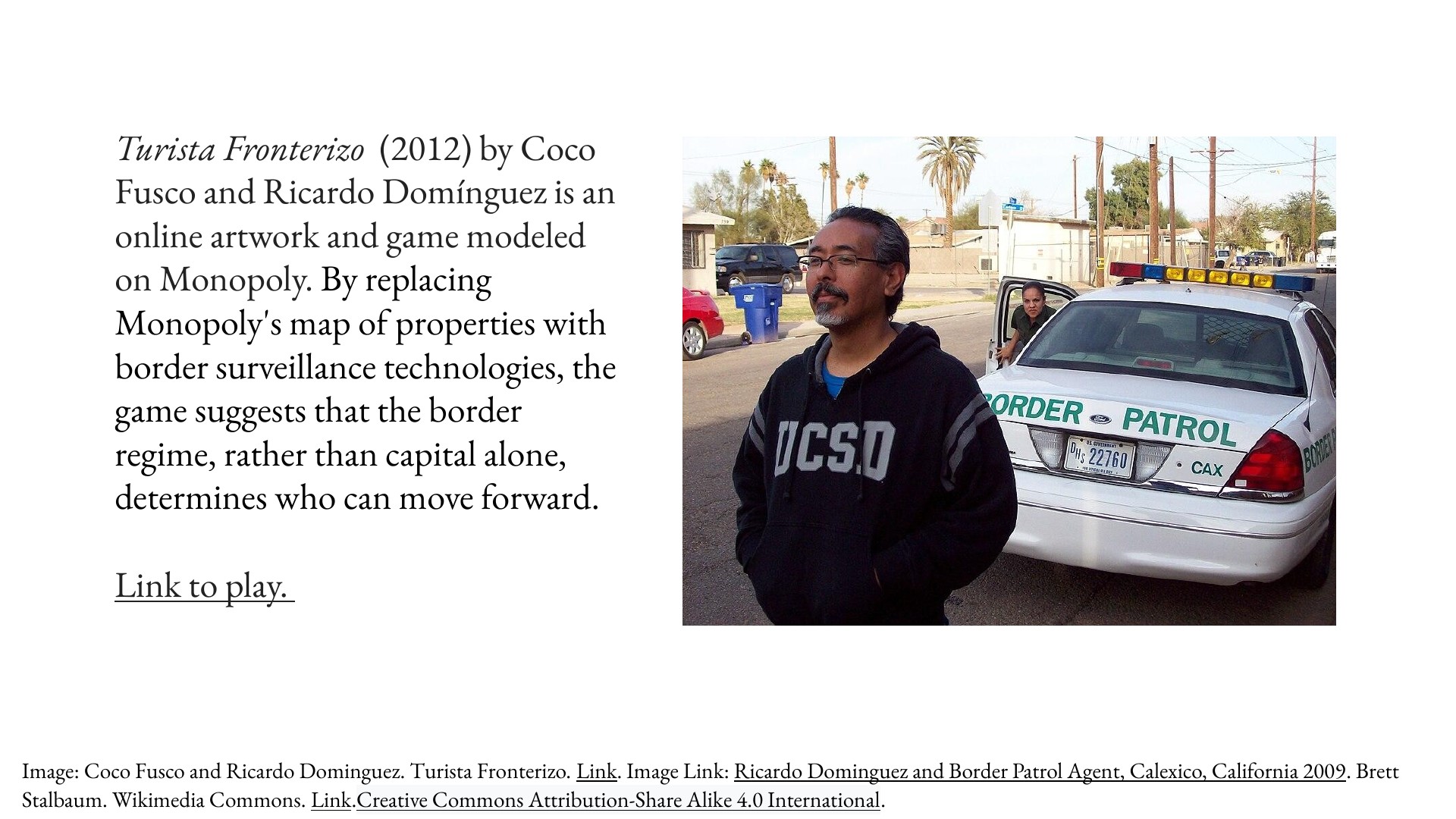
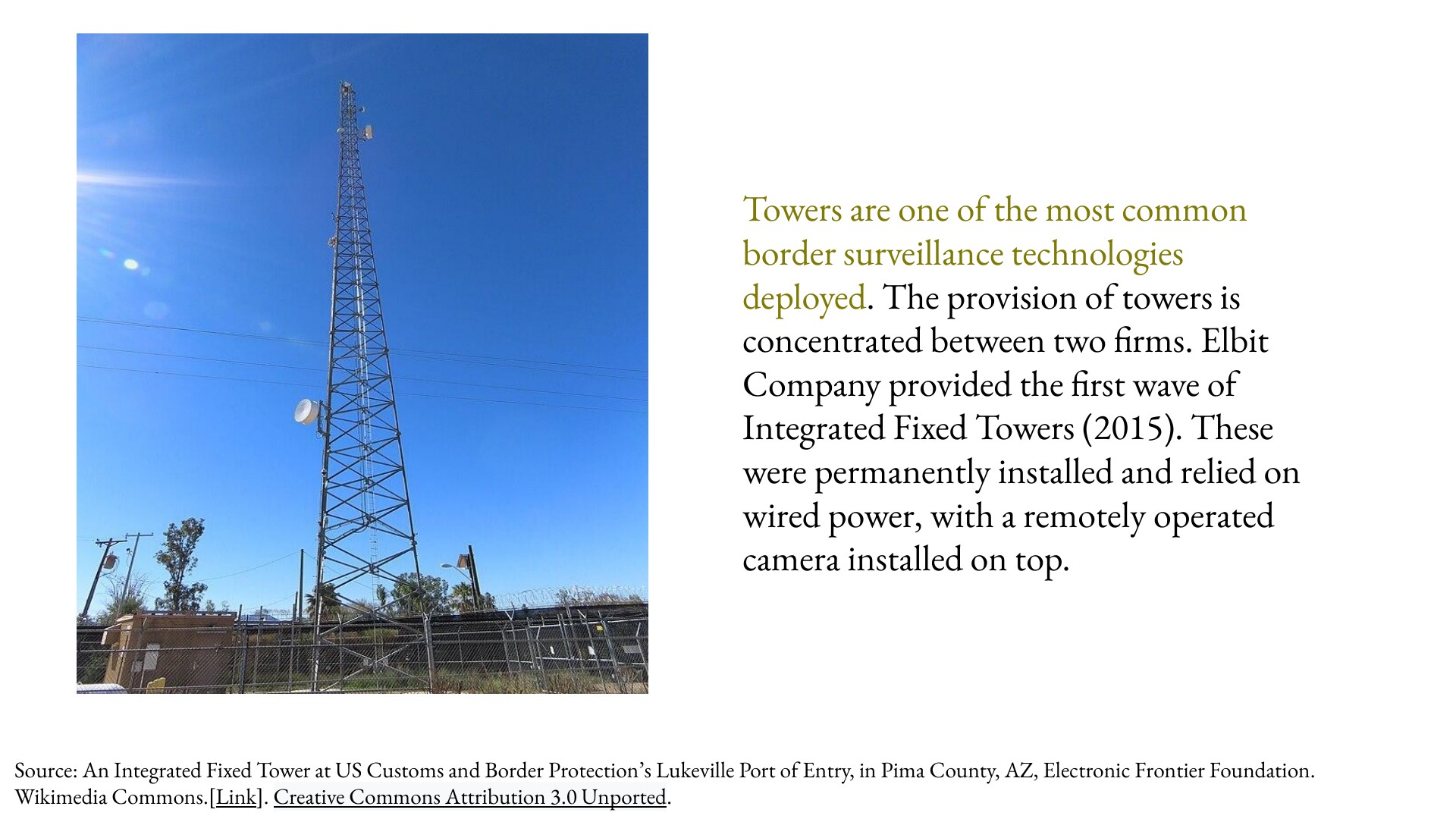
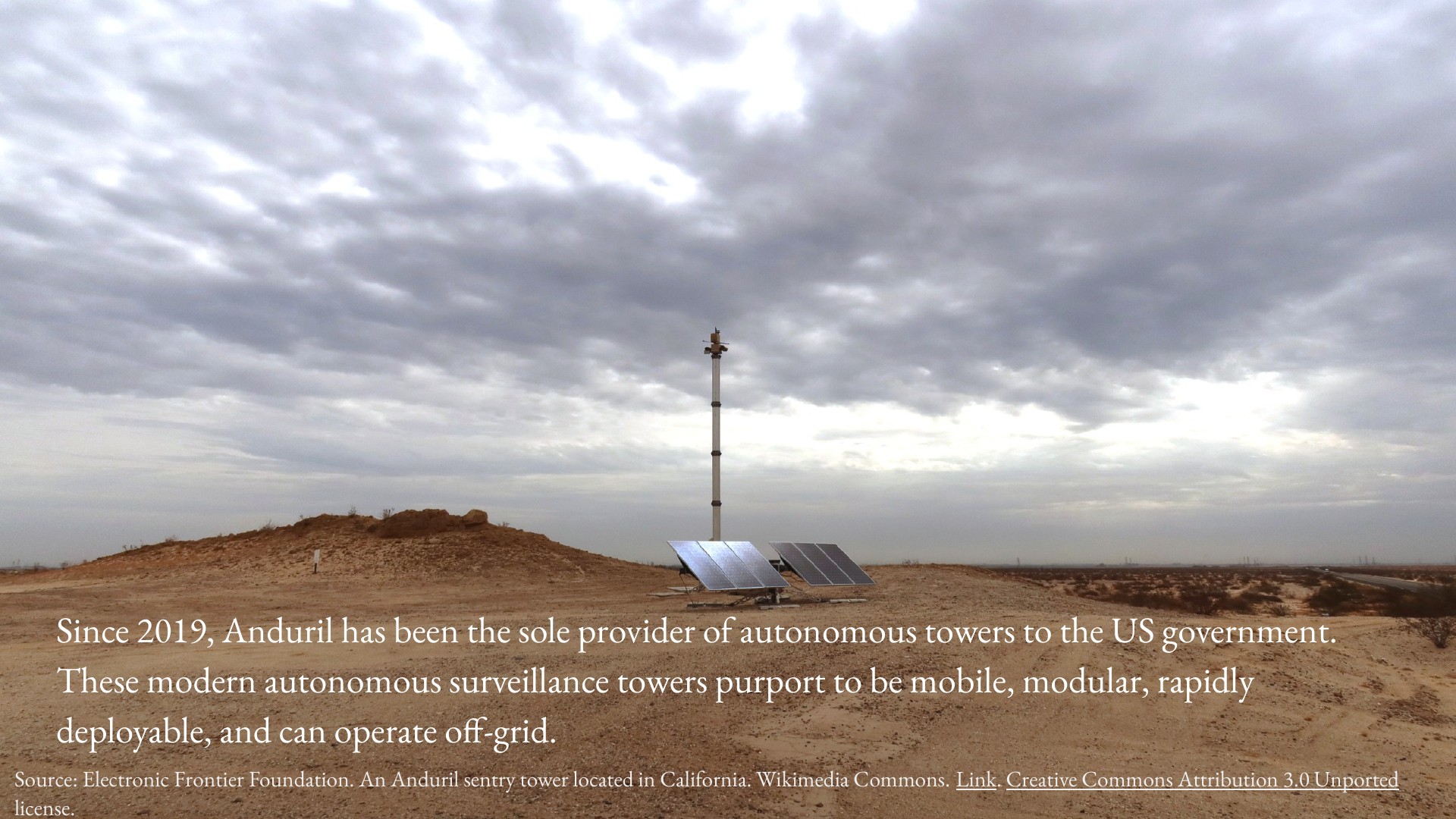
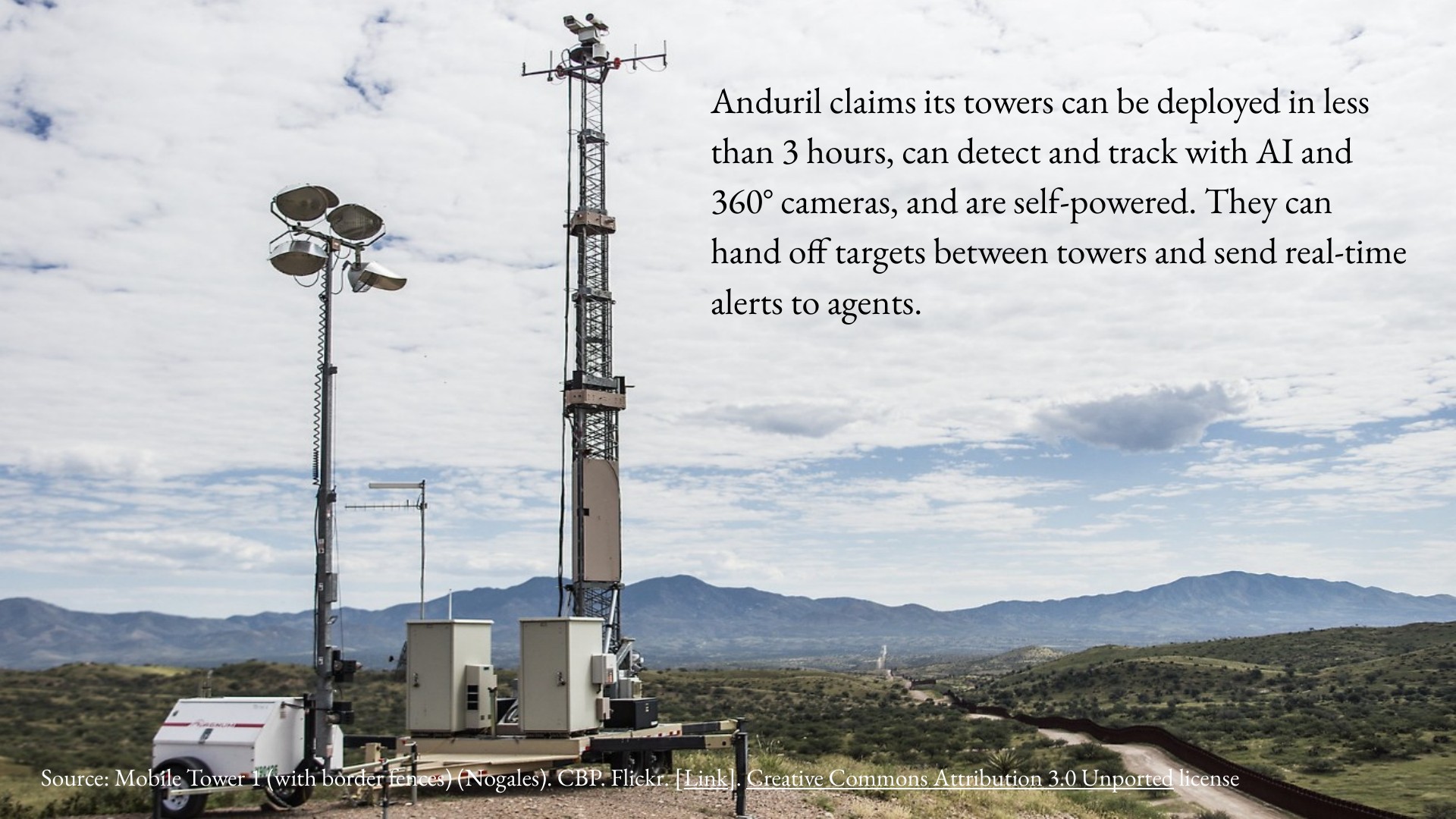
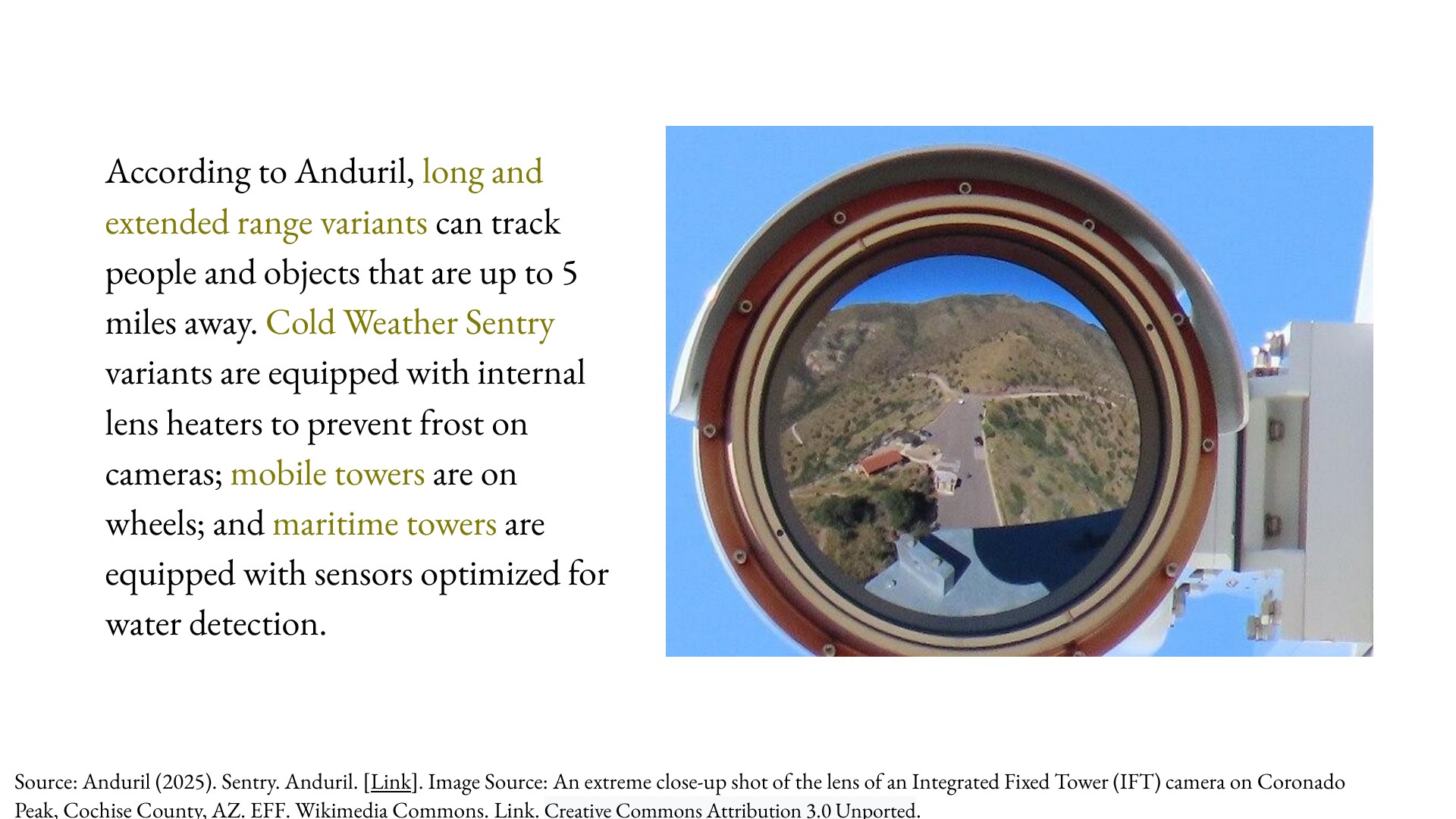
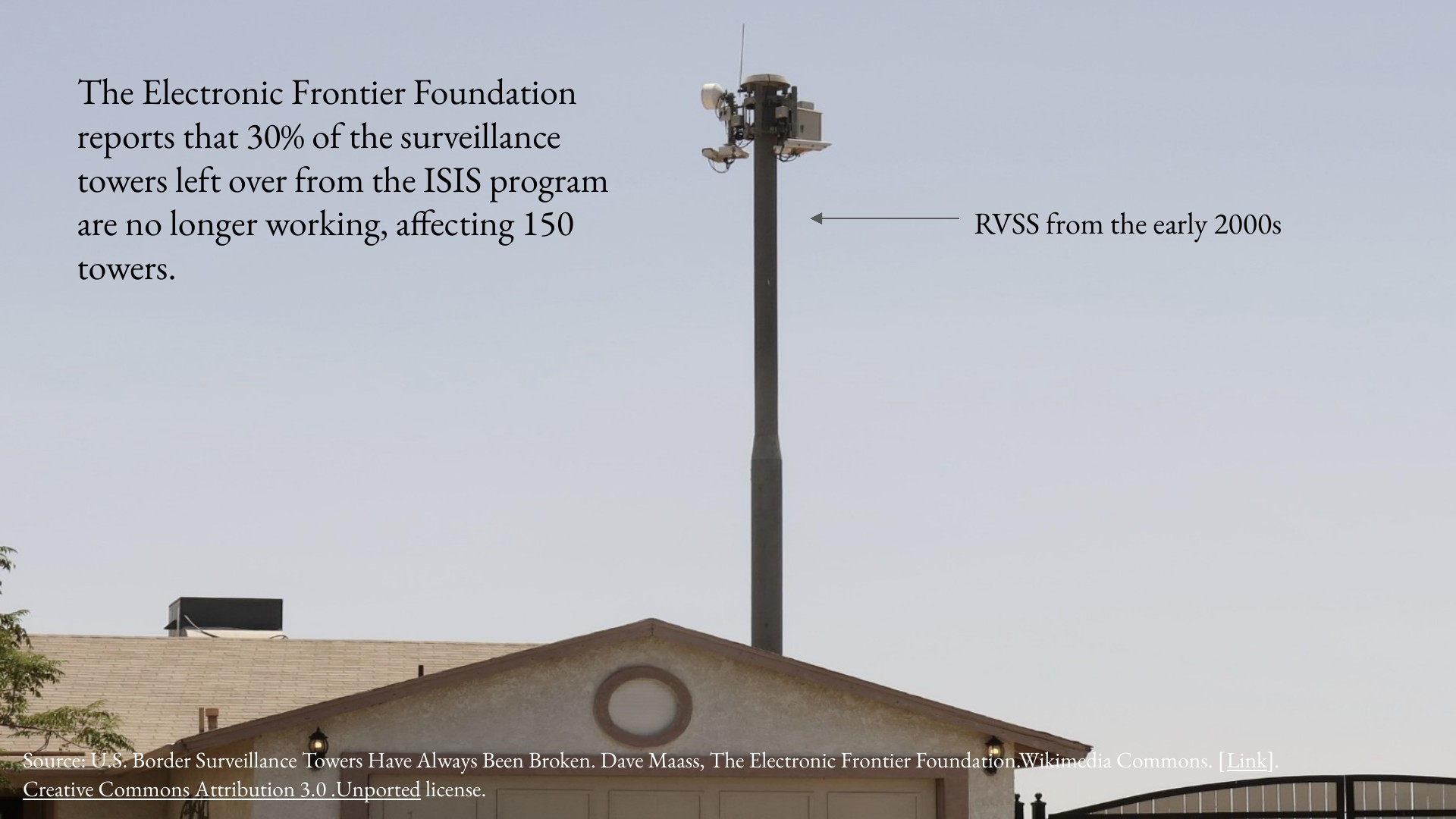
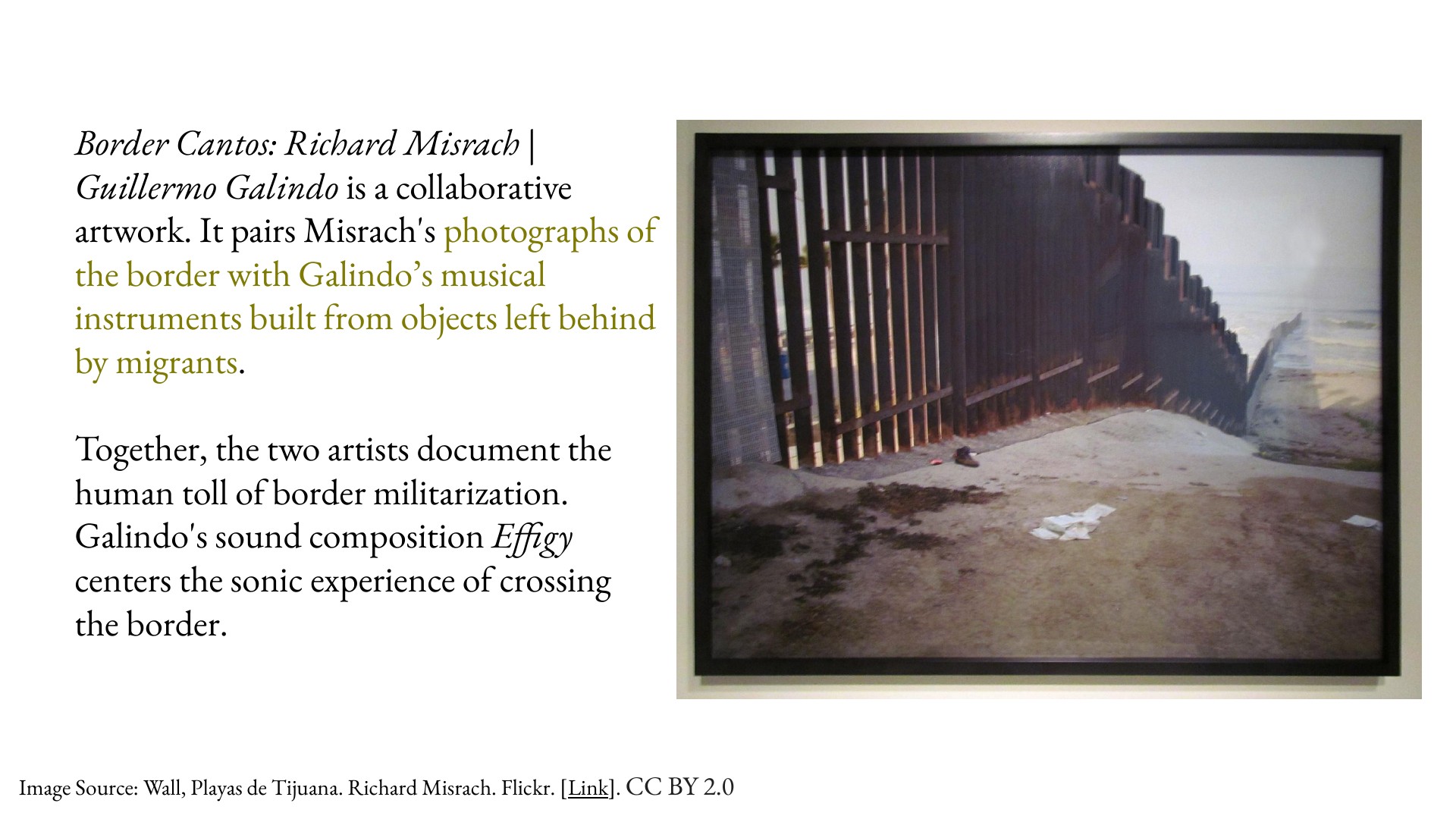
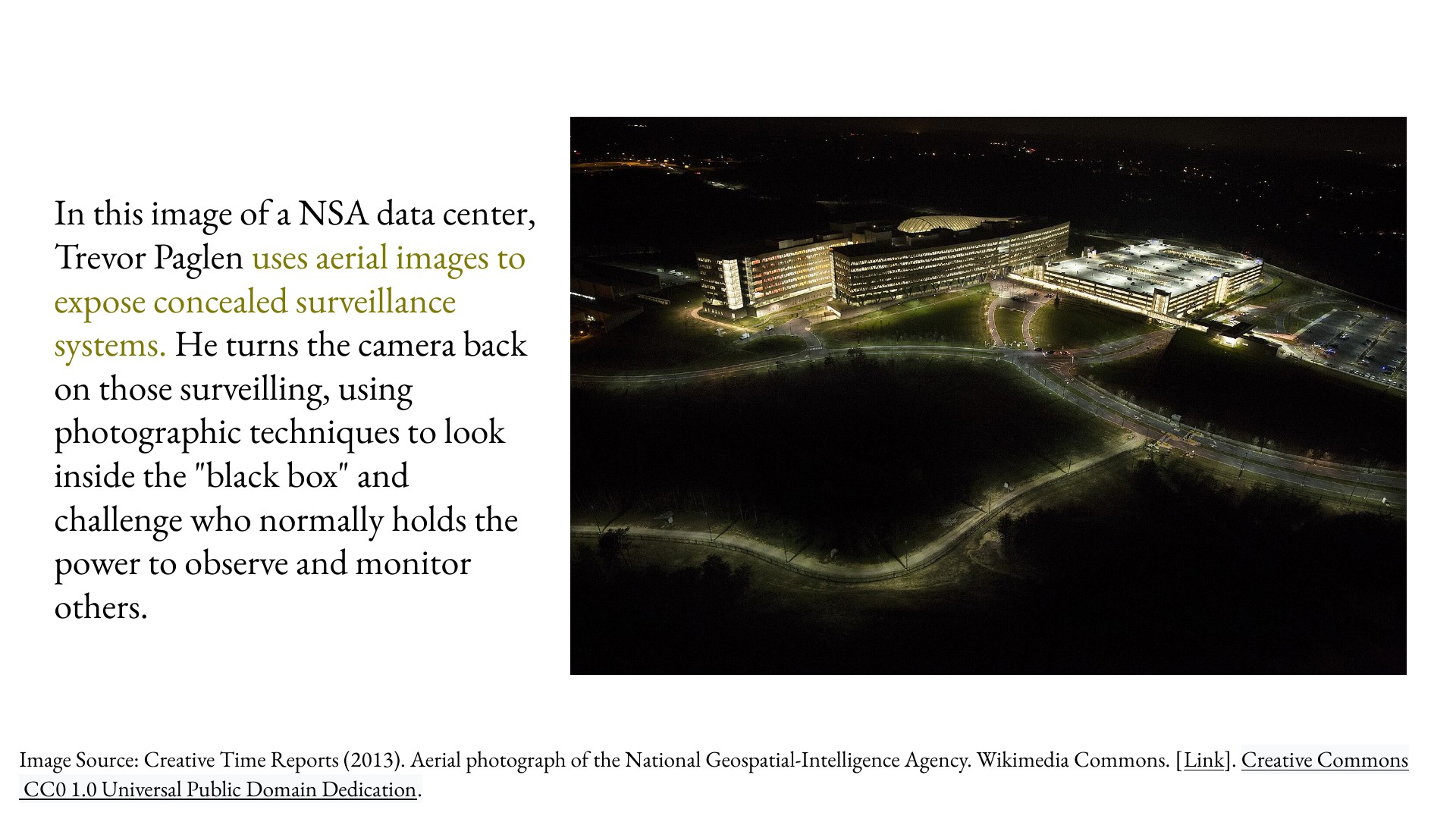
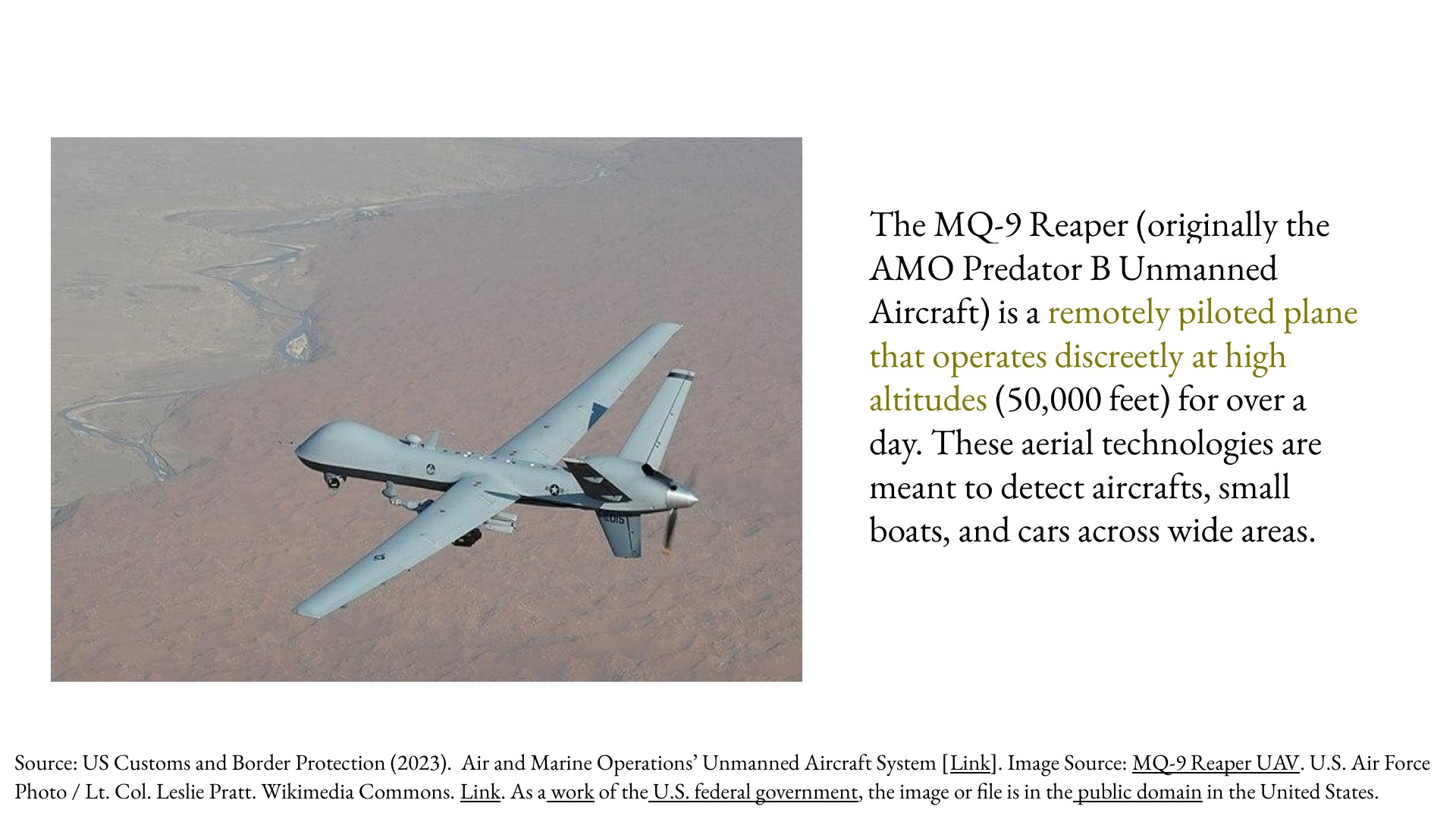
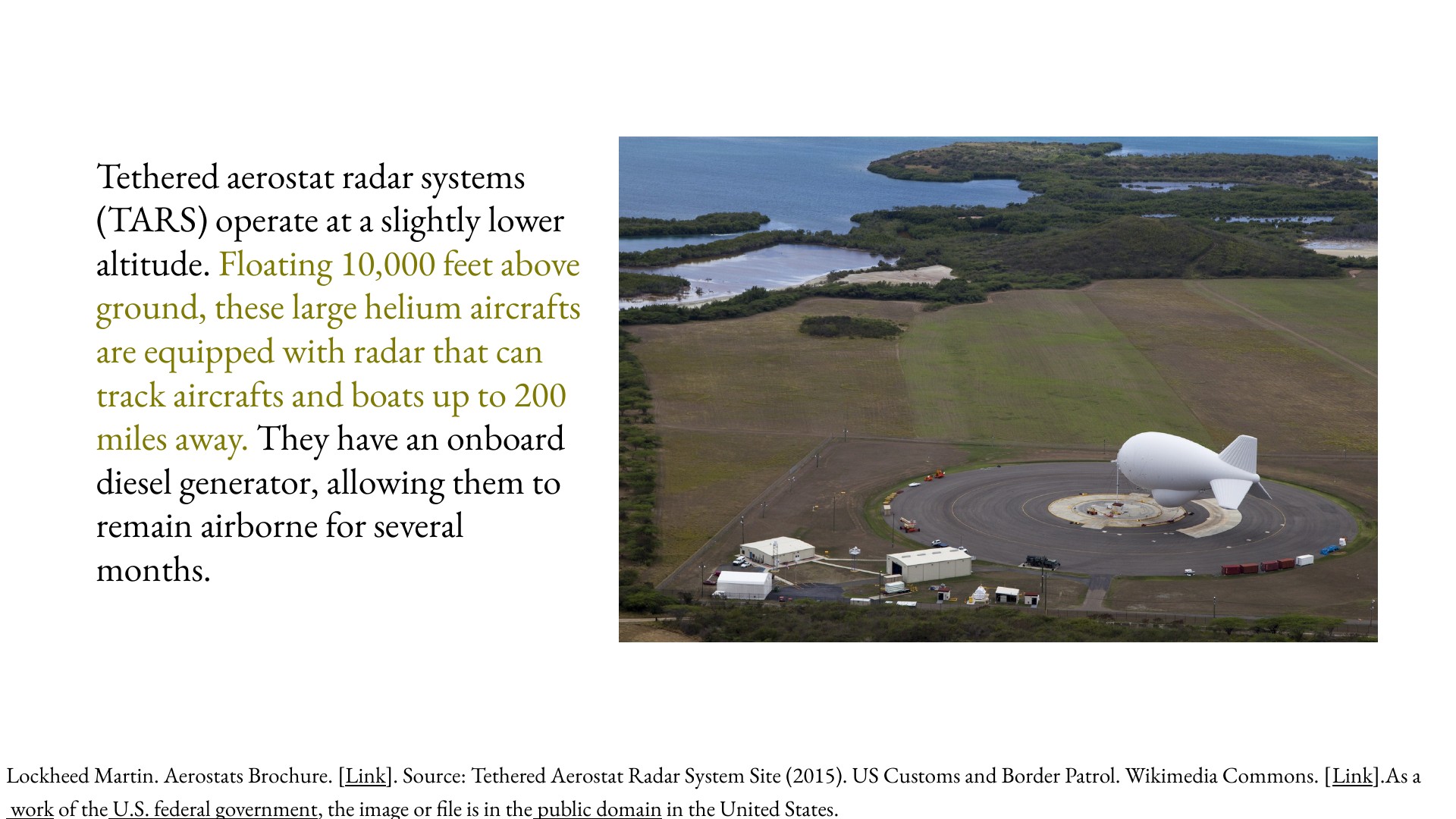
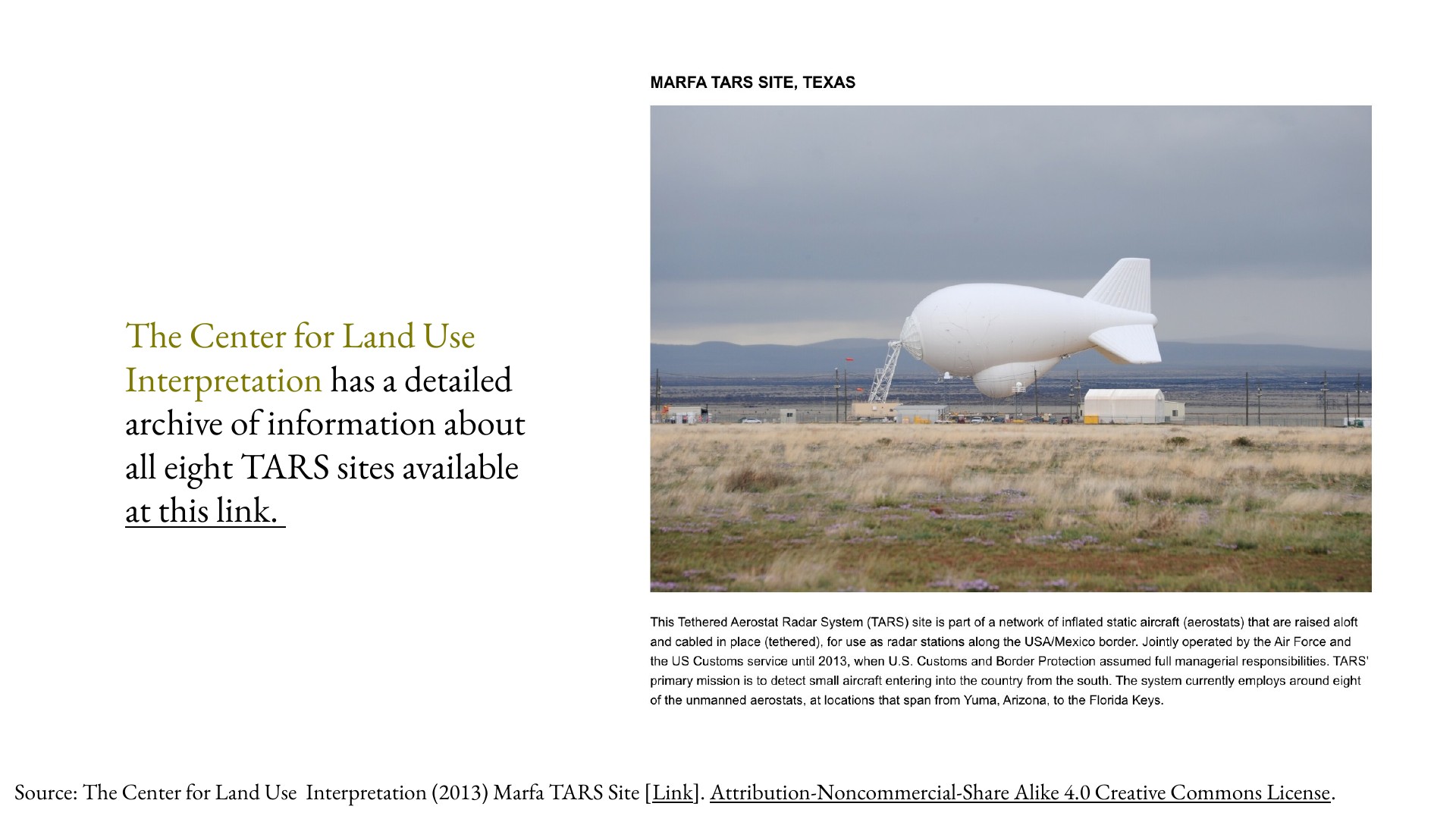
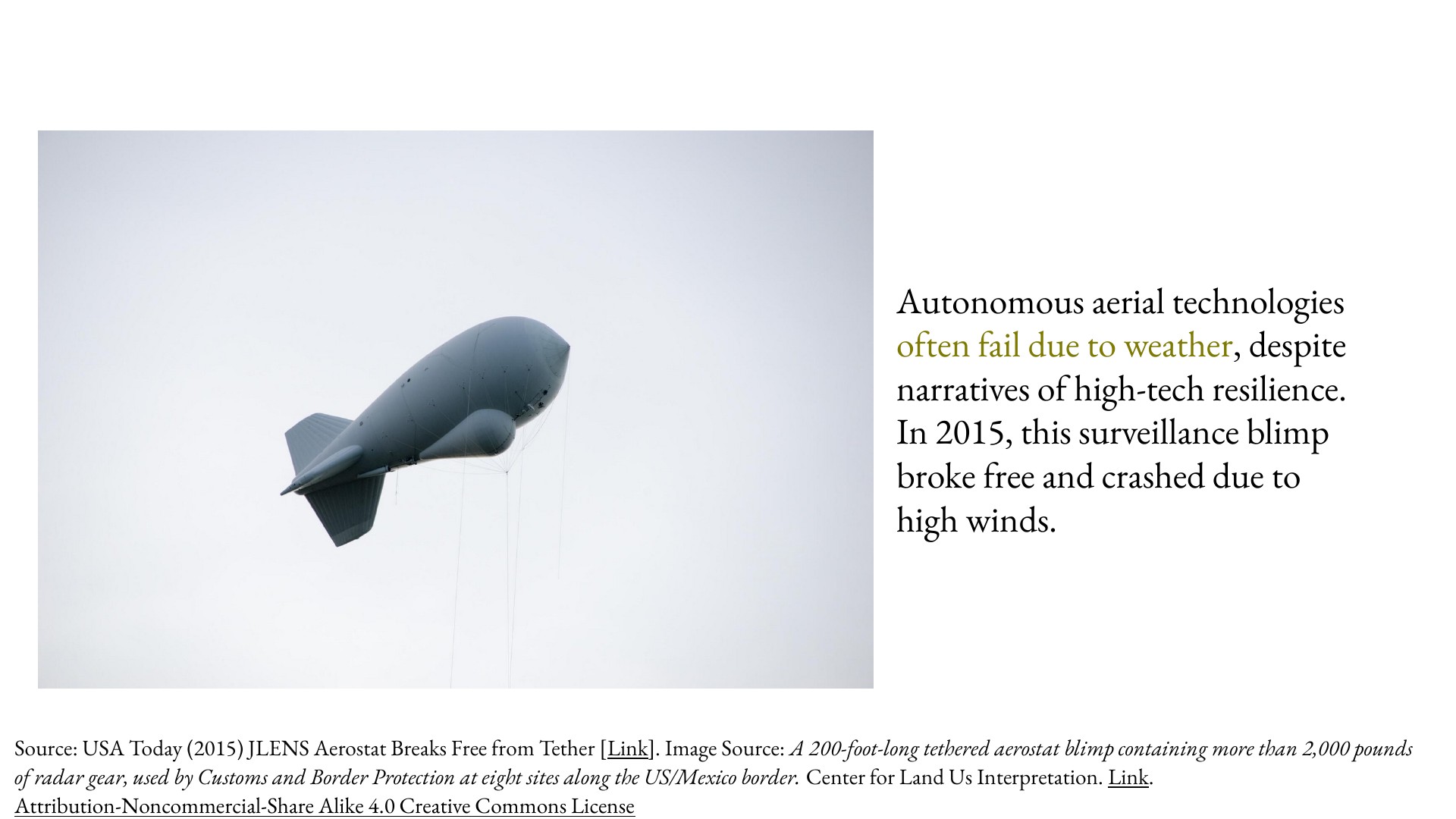
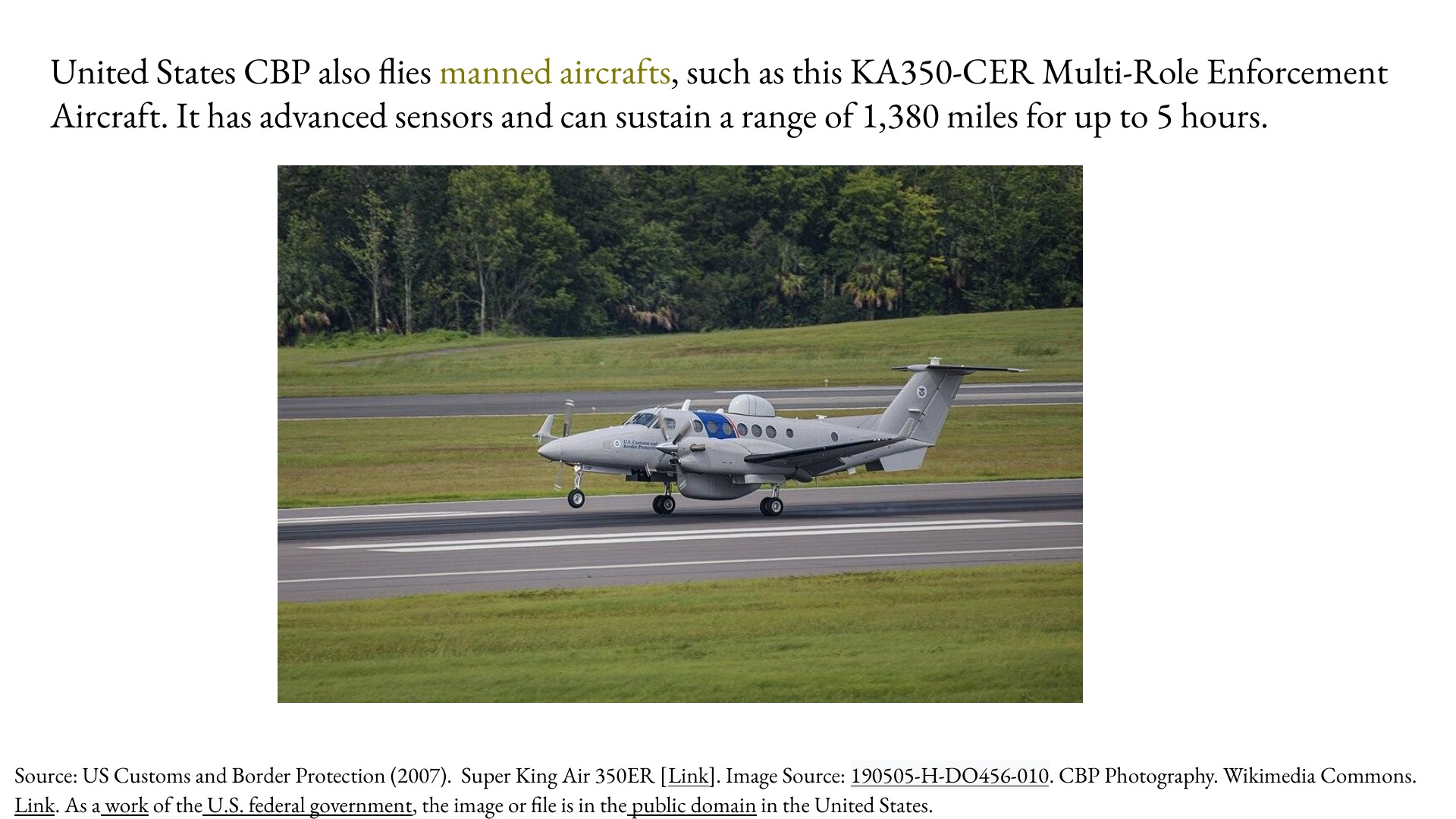
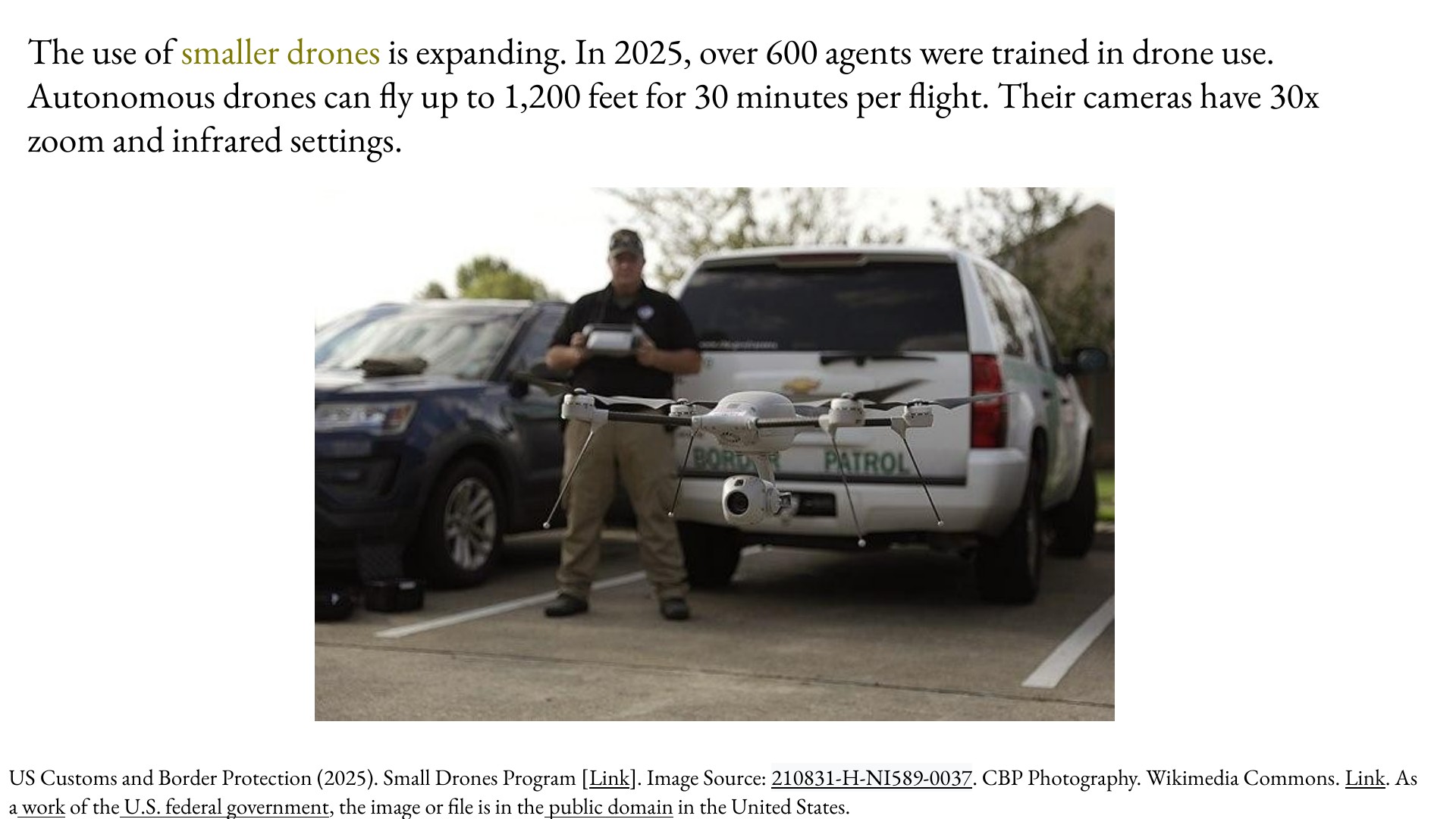
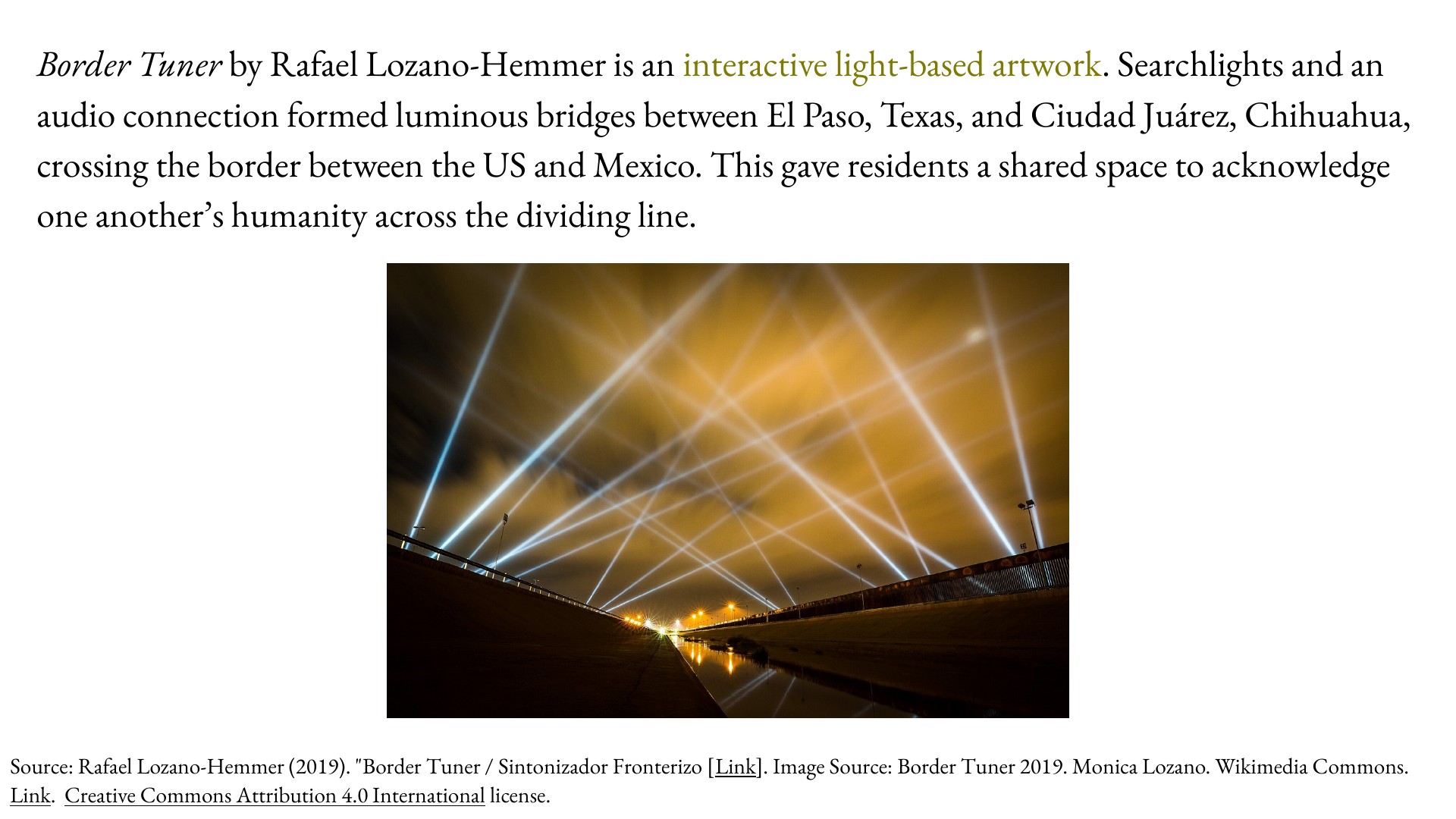
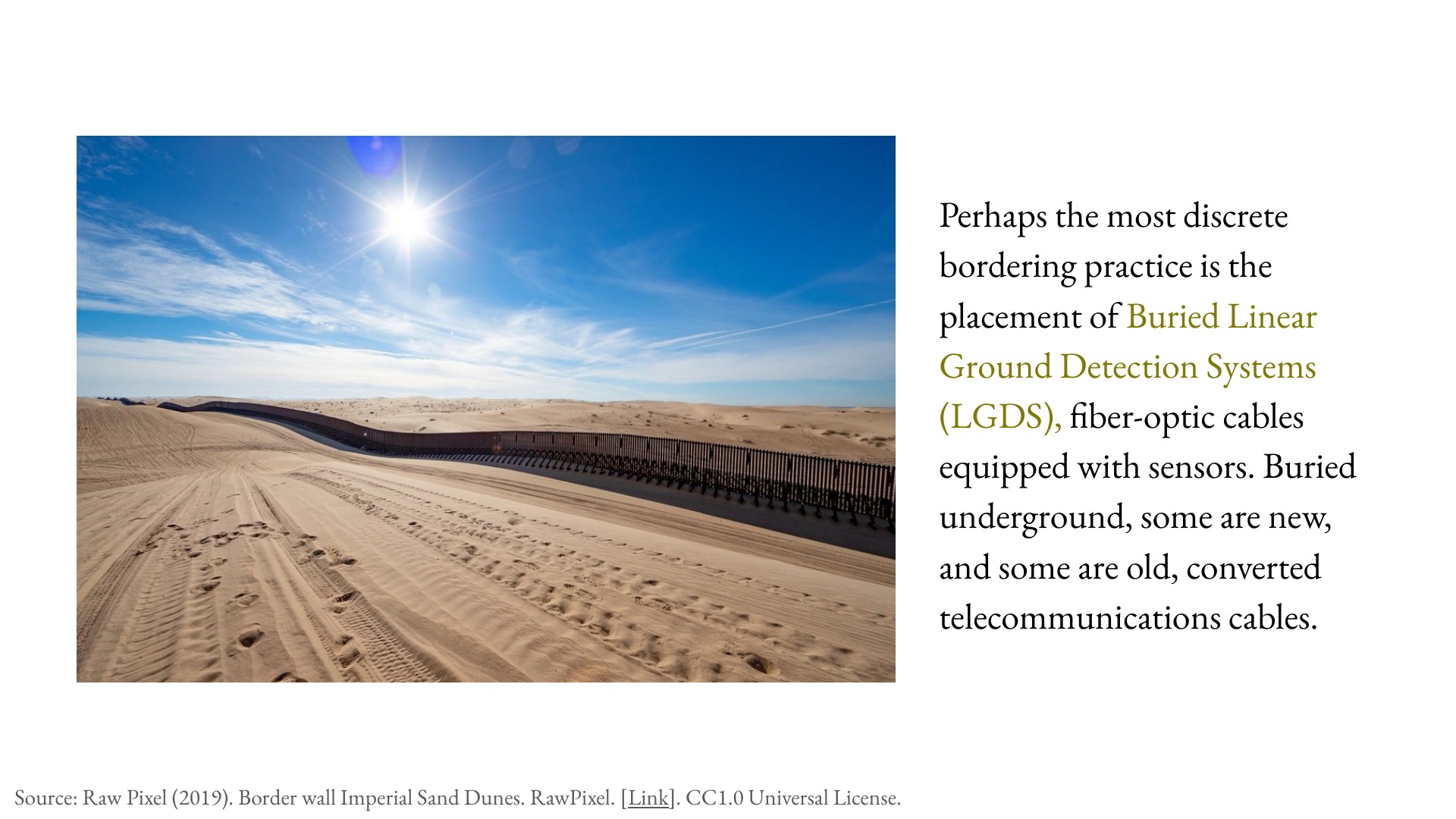
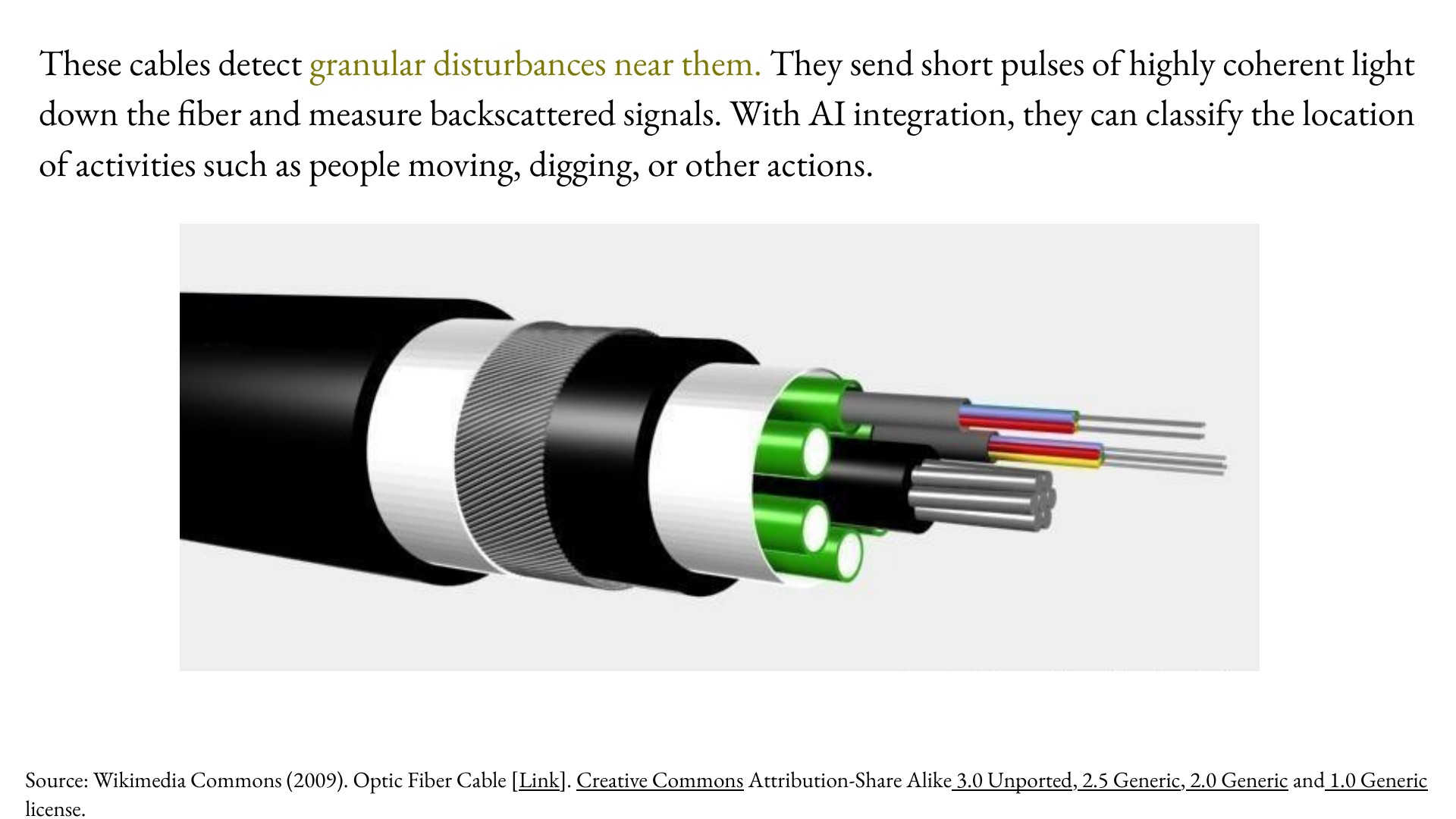
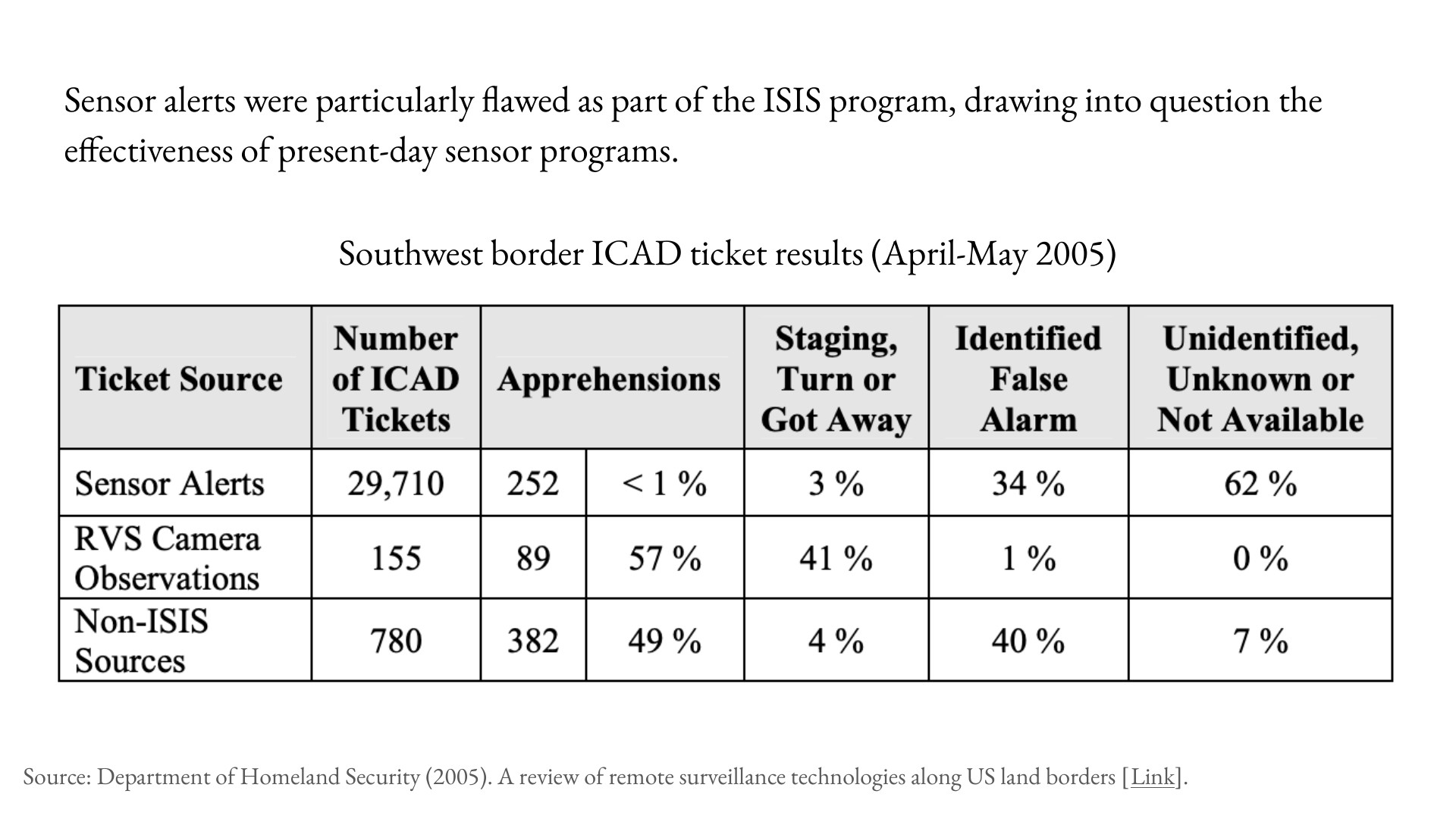
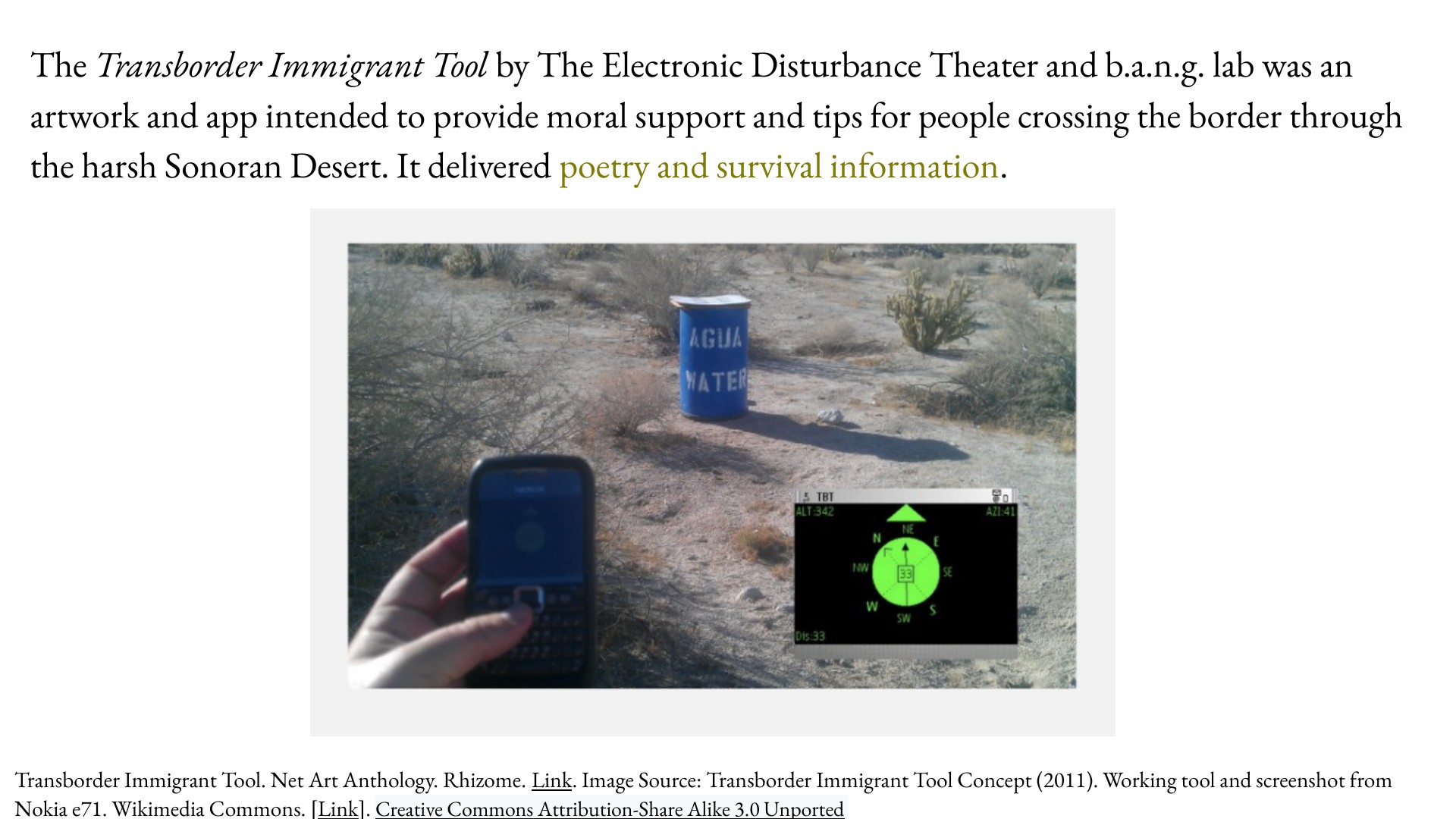
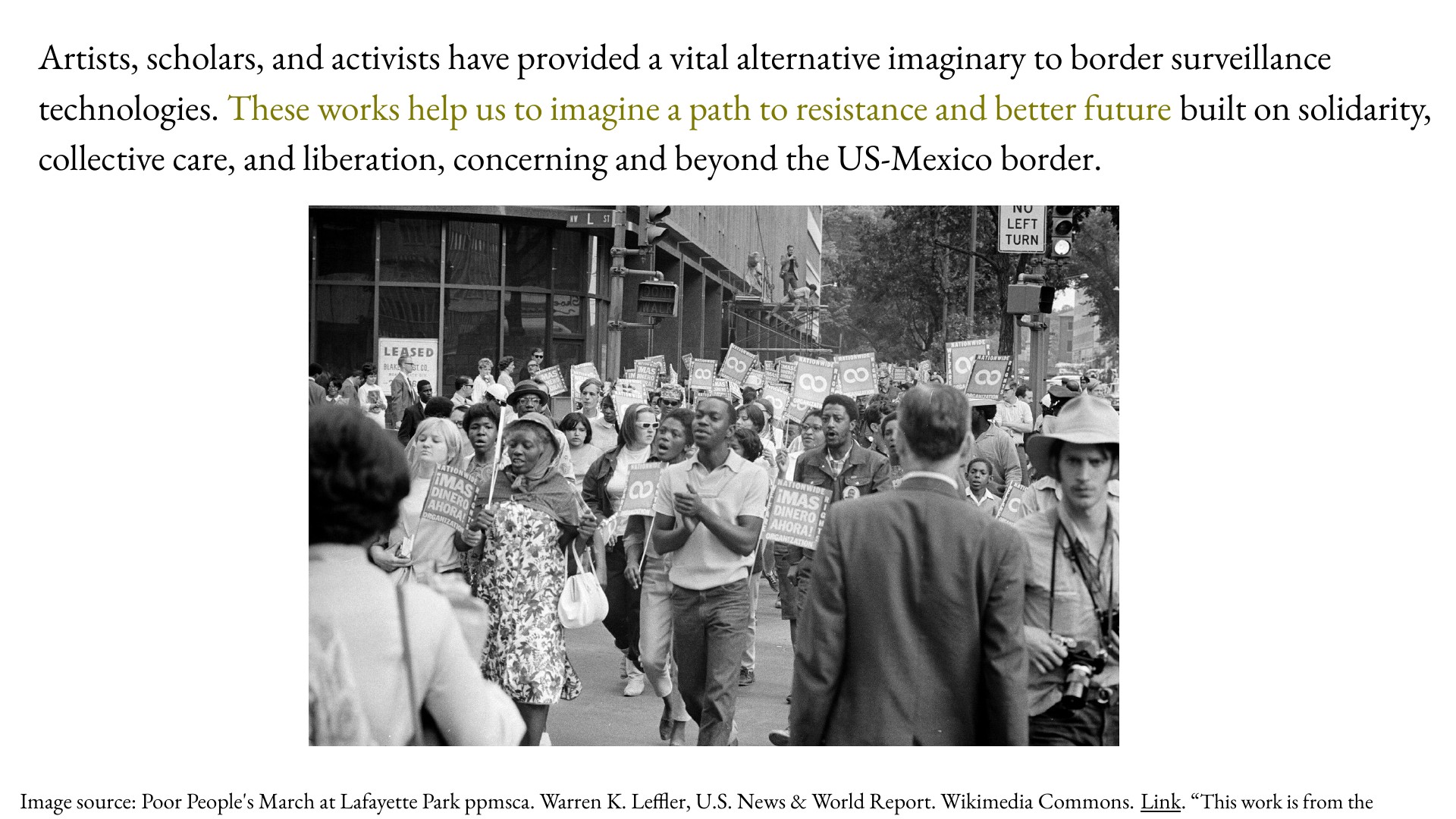
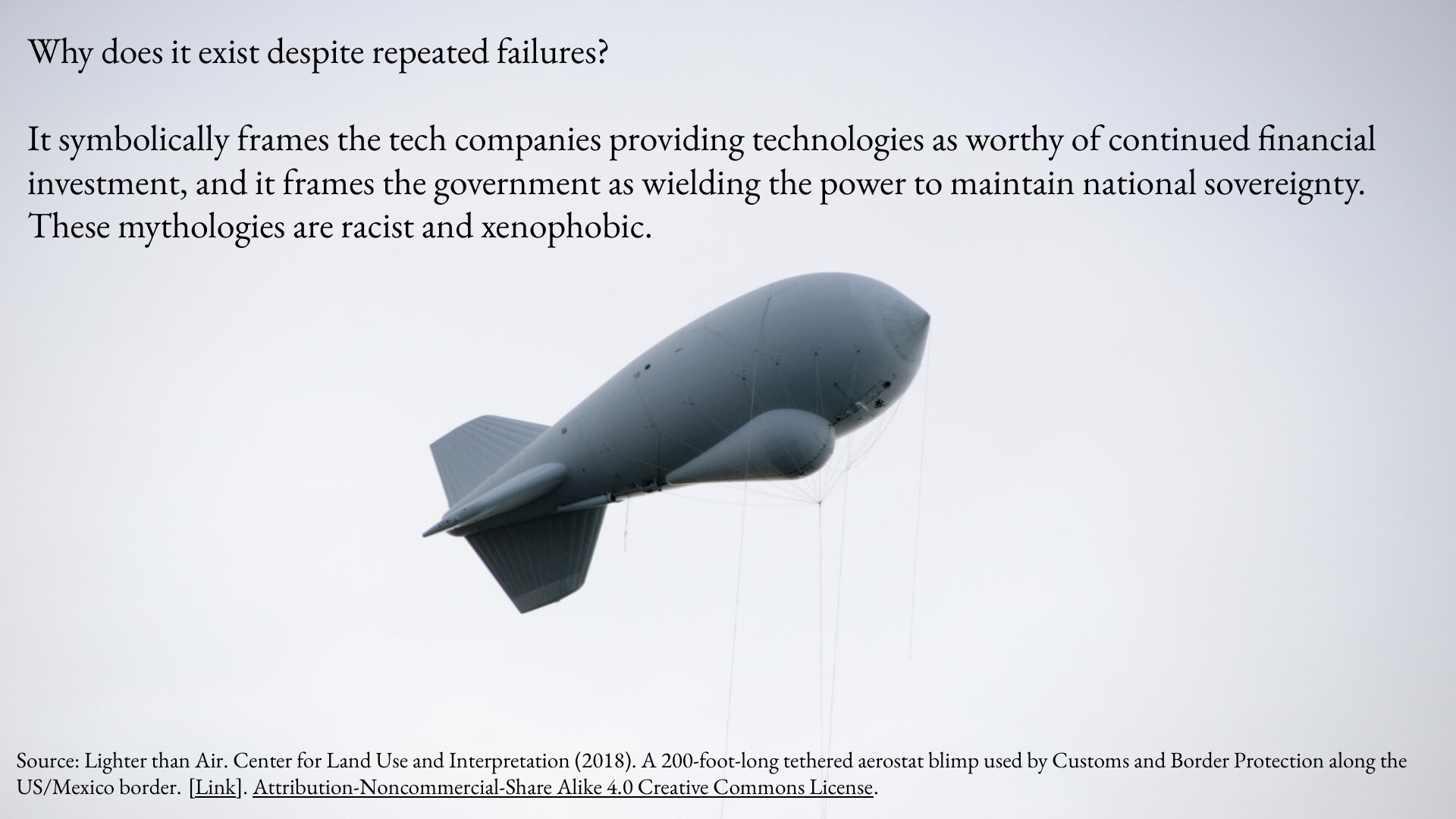
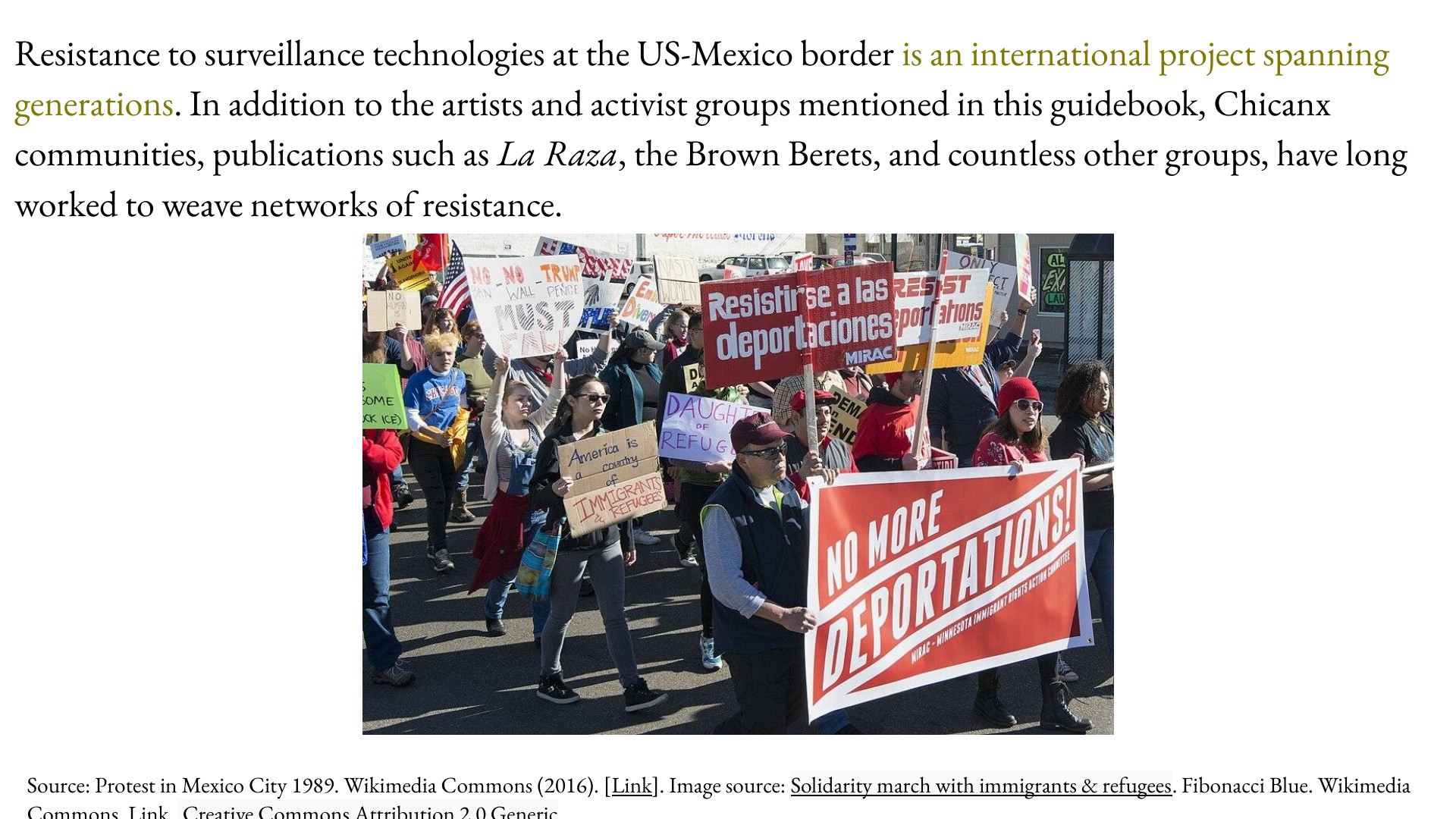
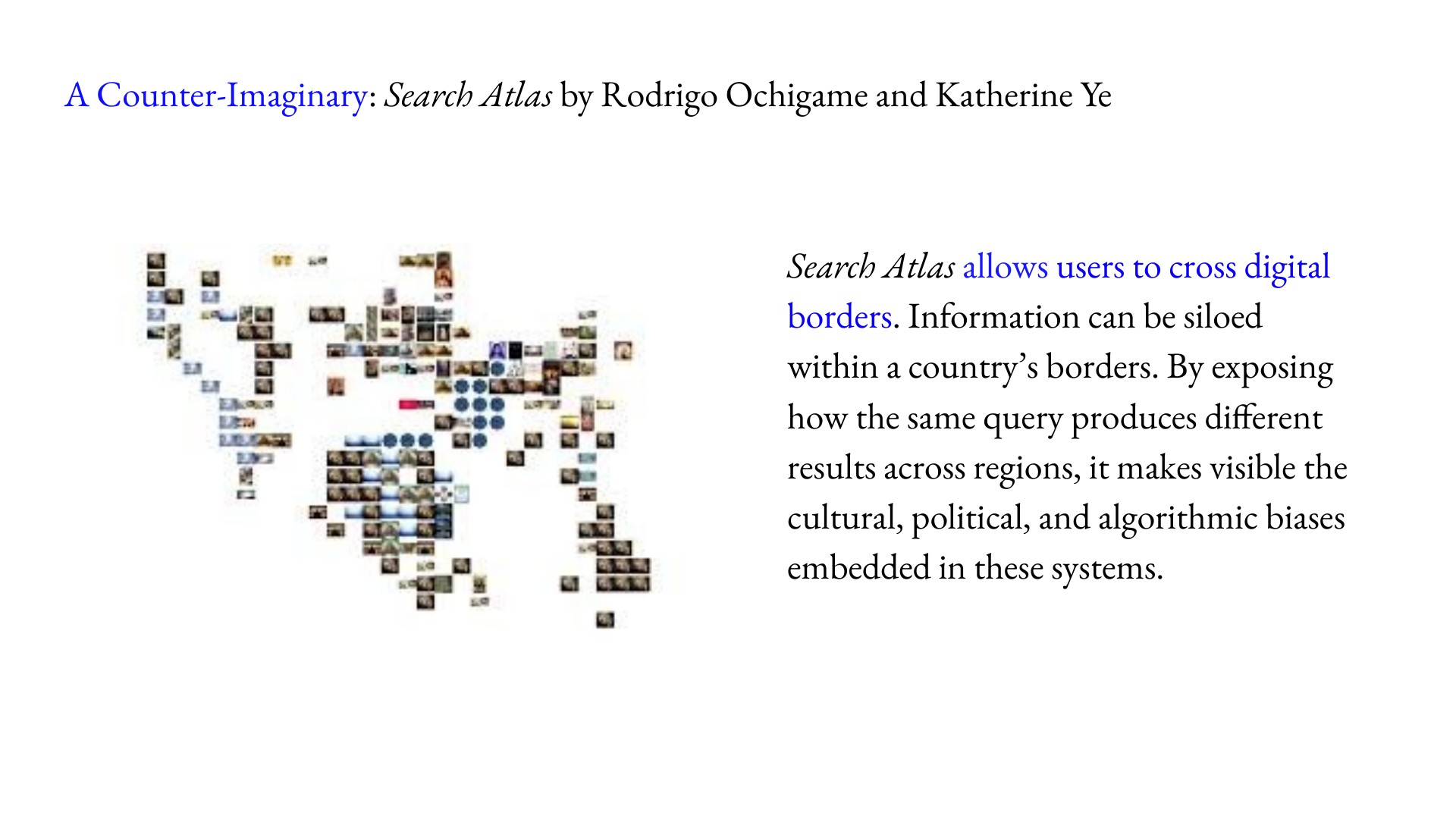
While the technologies used for surveillance at the US-Mexico border may appear impenetrable, artists and activists offer vital counter-imaginaries and forms of resistance. This typology gathers works that counter or turn the camera lens back onto the surveillance apparatus that operates underground, on terrestrial land, and in the sky. The author prompts audiences to consider how uses of technology sustain violence and policing in this geography, and to reflect upon how border surveillance technologies contribute to an illusion of sovereignty – one that is not insurmountable, but contested and crossed through.







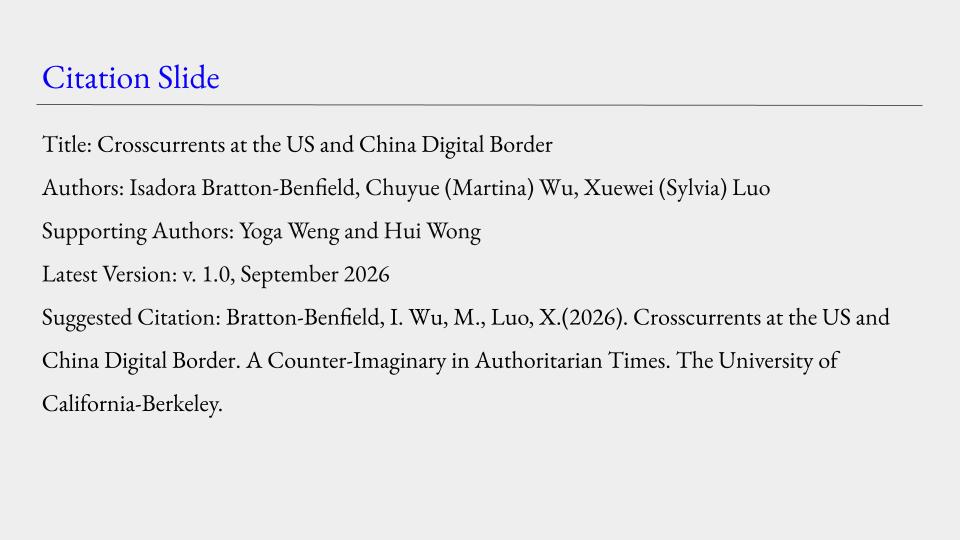
Crosscurrents at the US and China Digital Border | Download PDF
By Isadora Bratton-Benfield, Chuyue (Martina) Wu, Xuewei (Sylvia) Luo
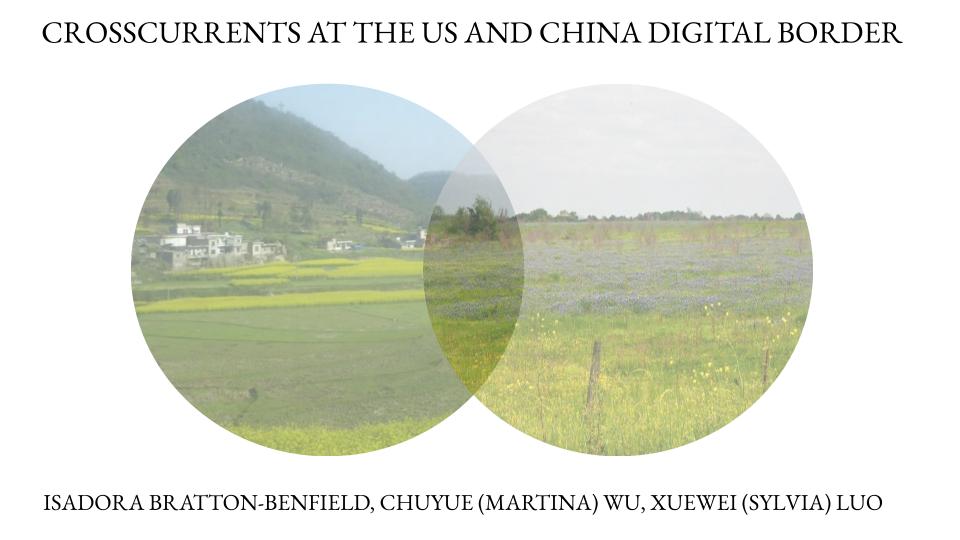
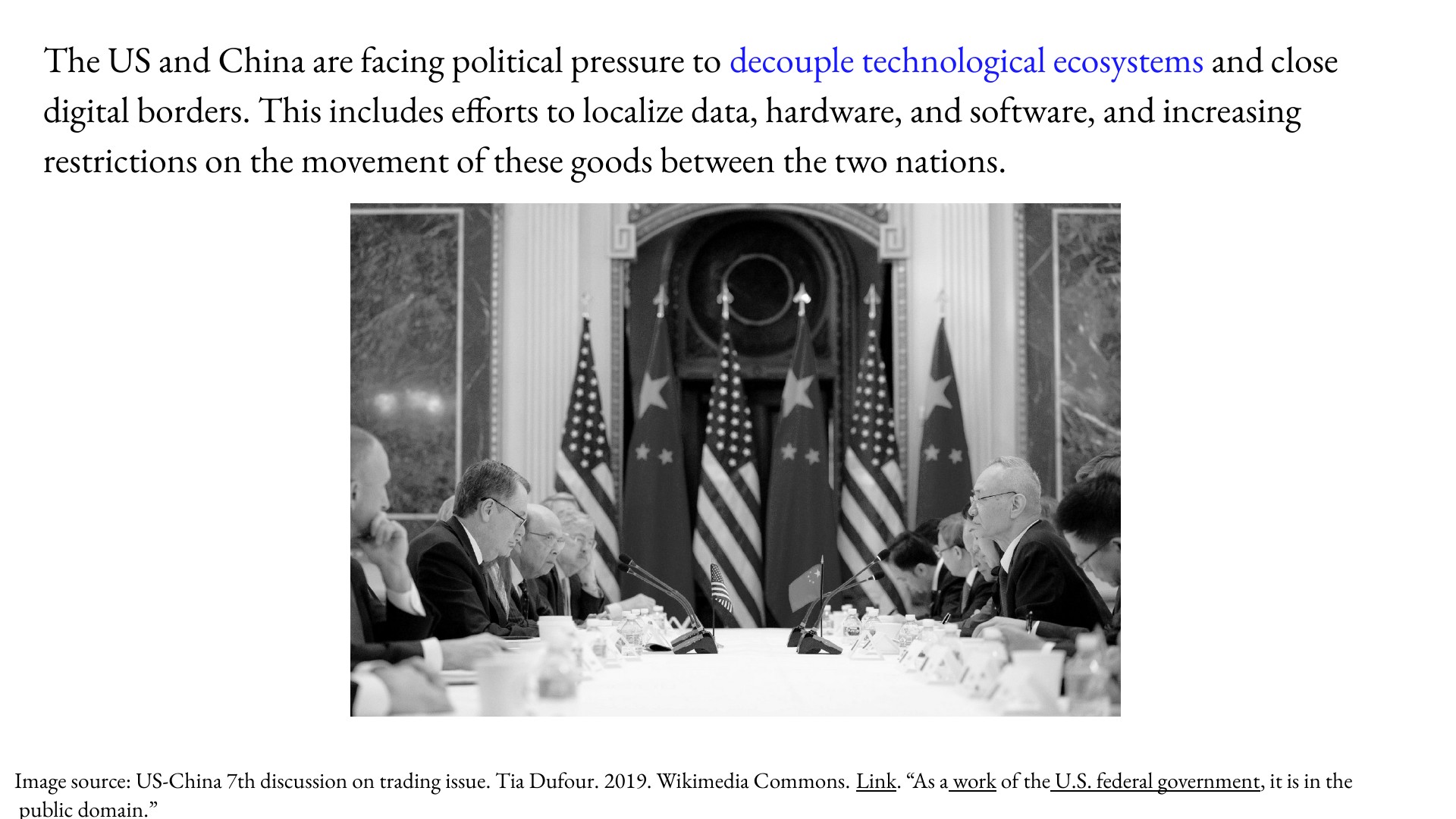
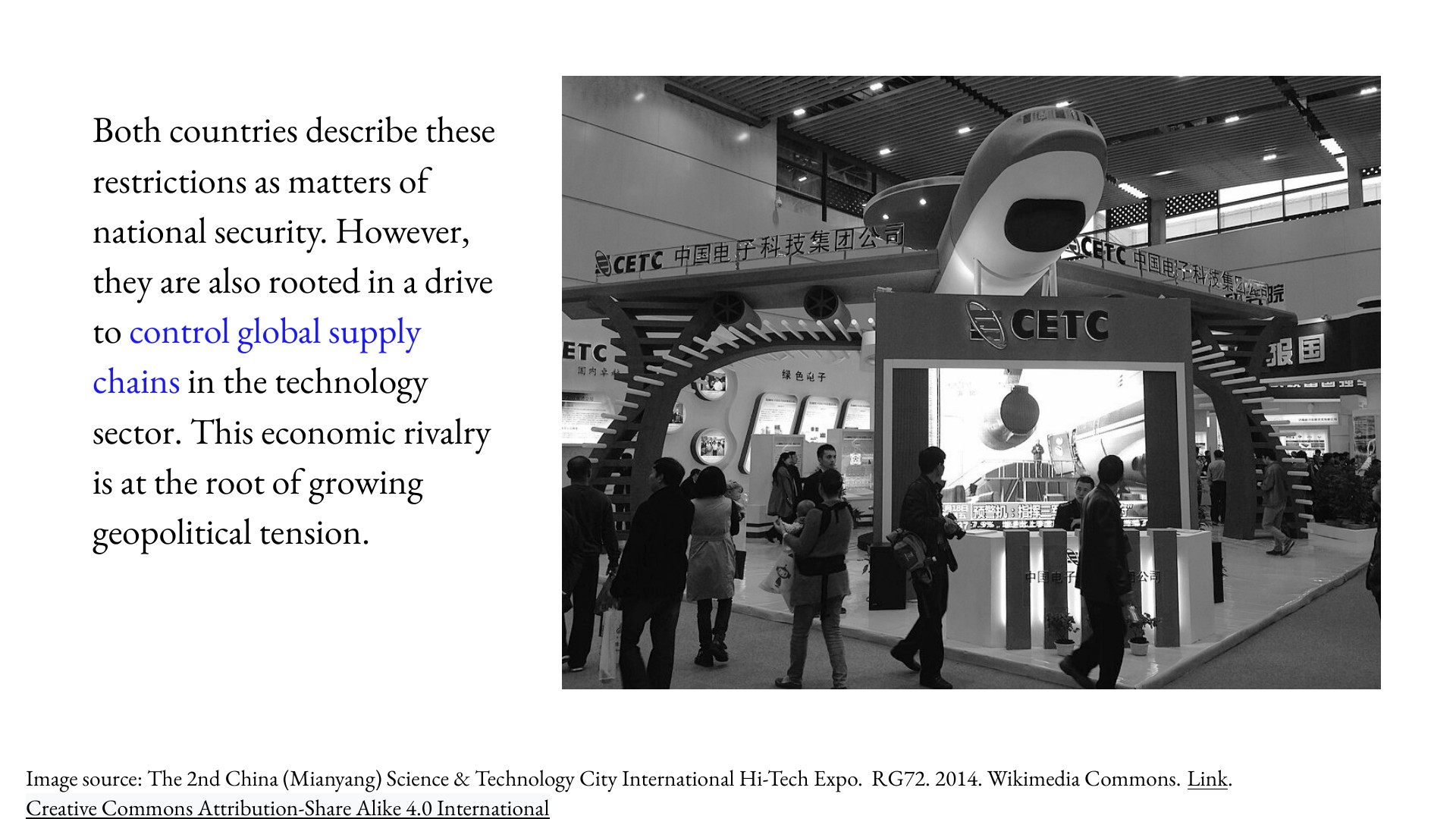
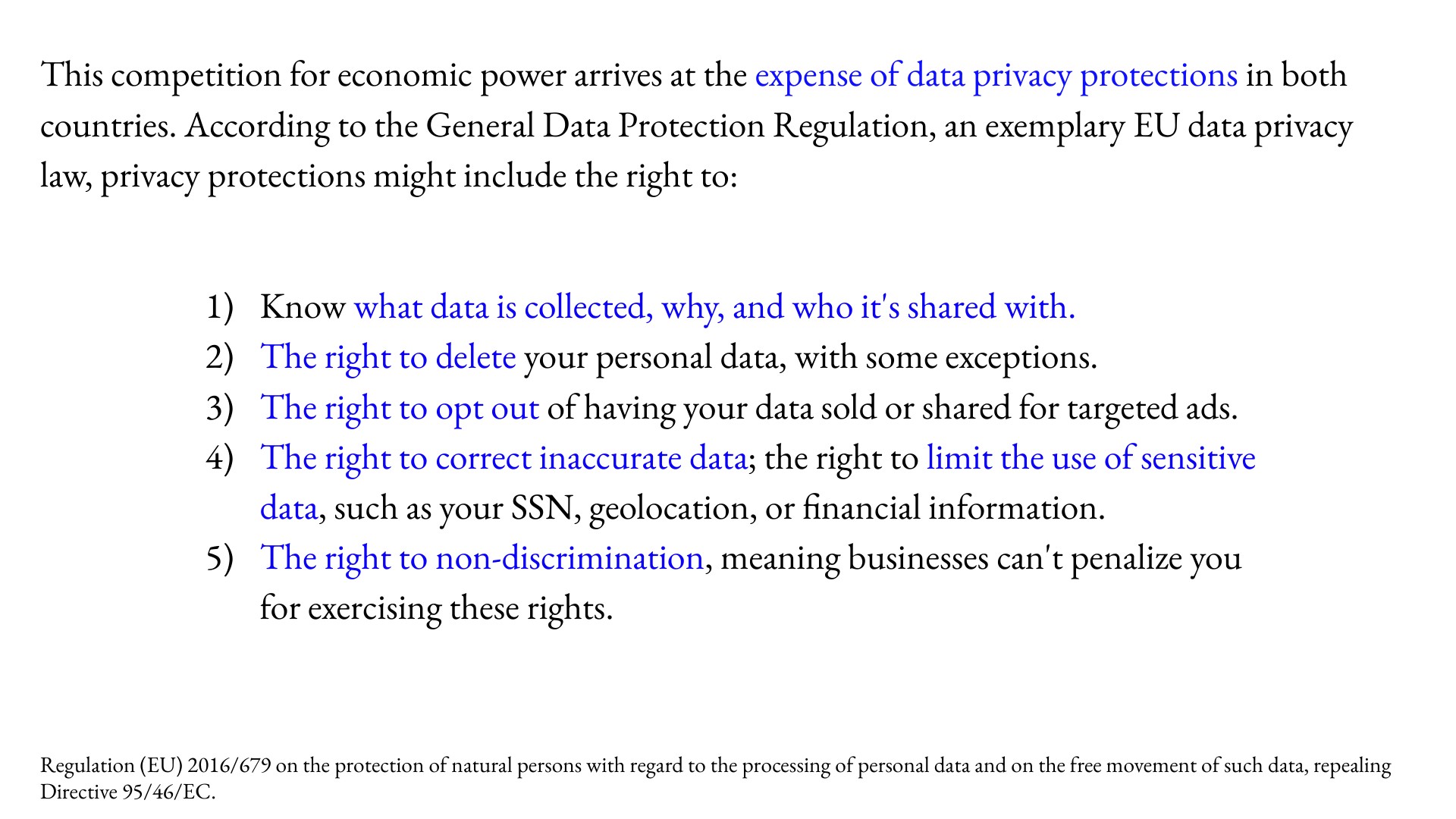
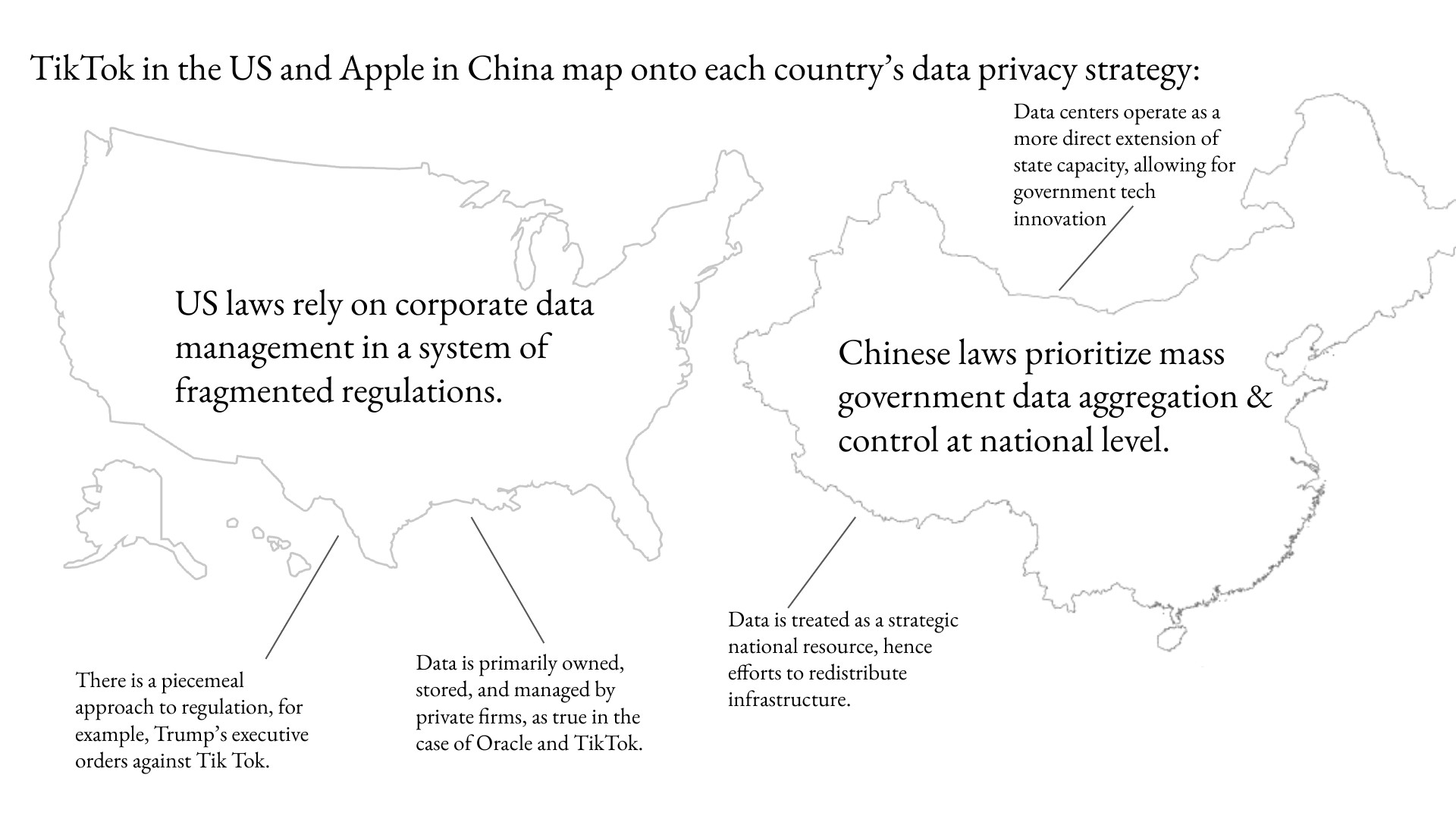
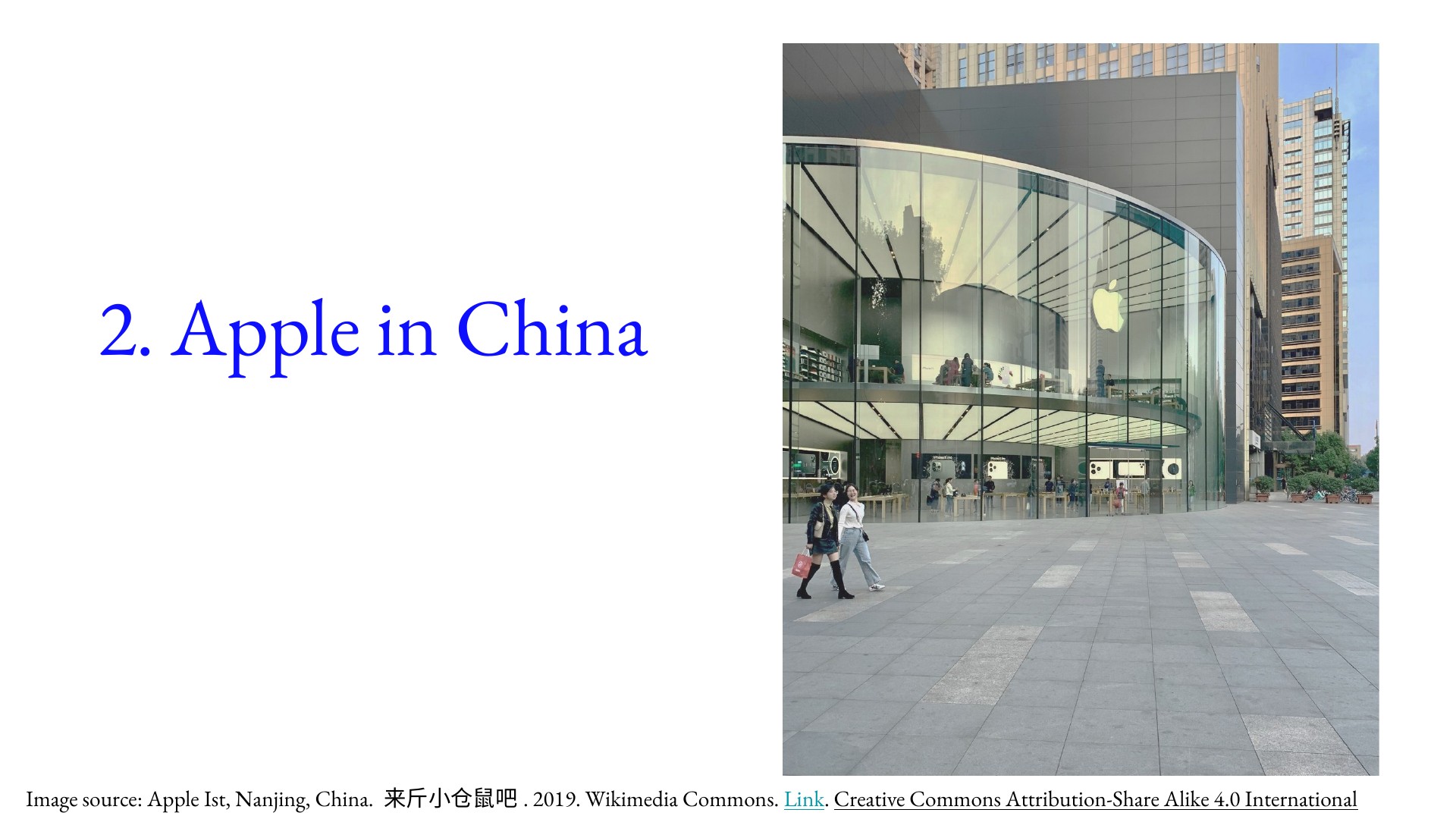
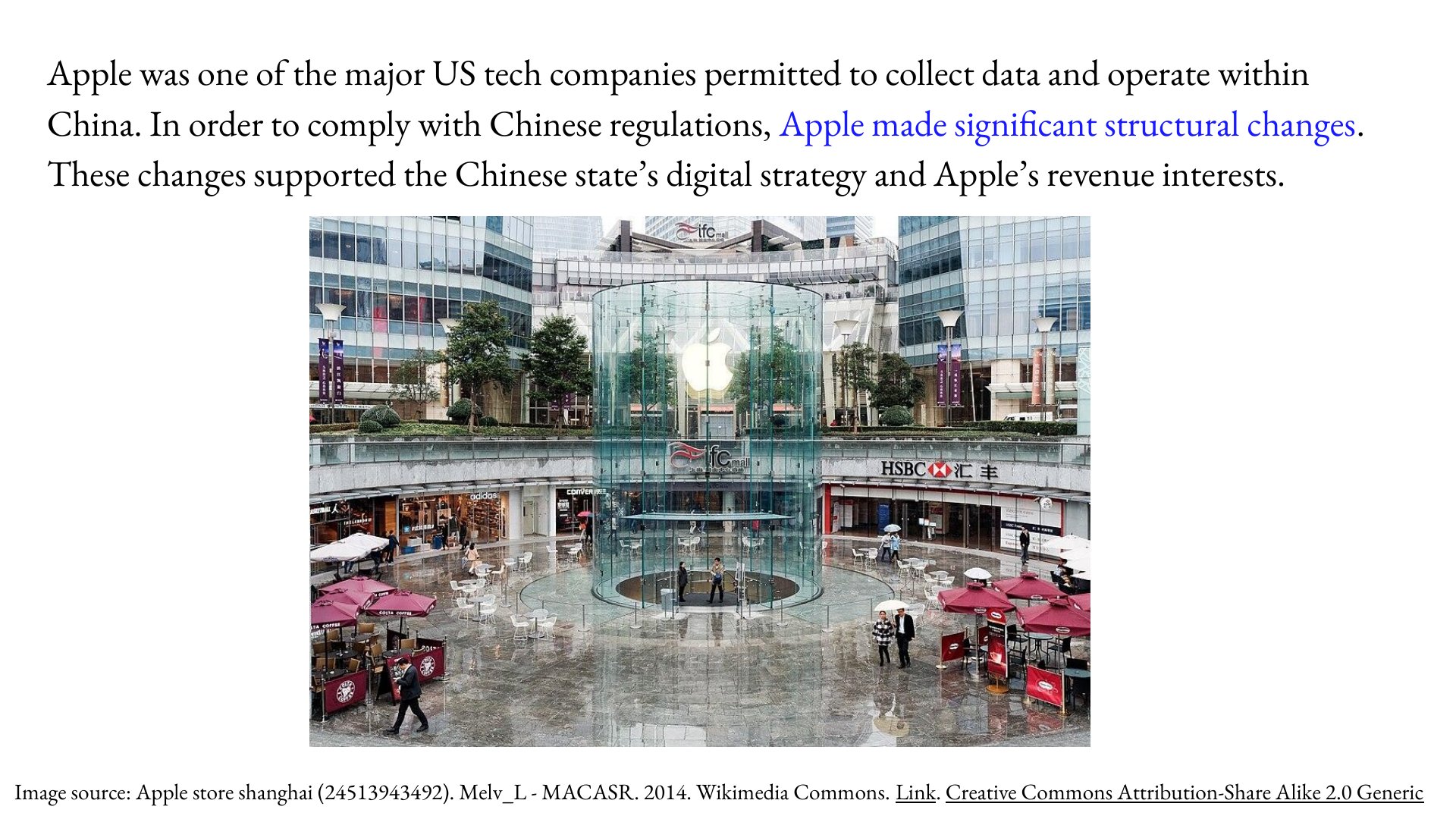
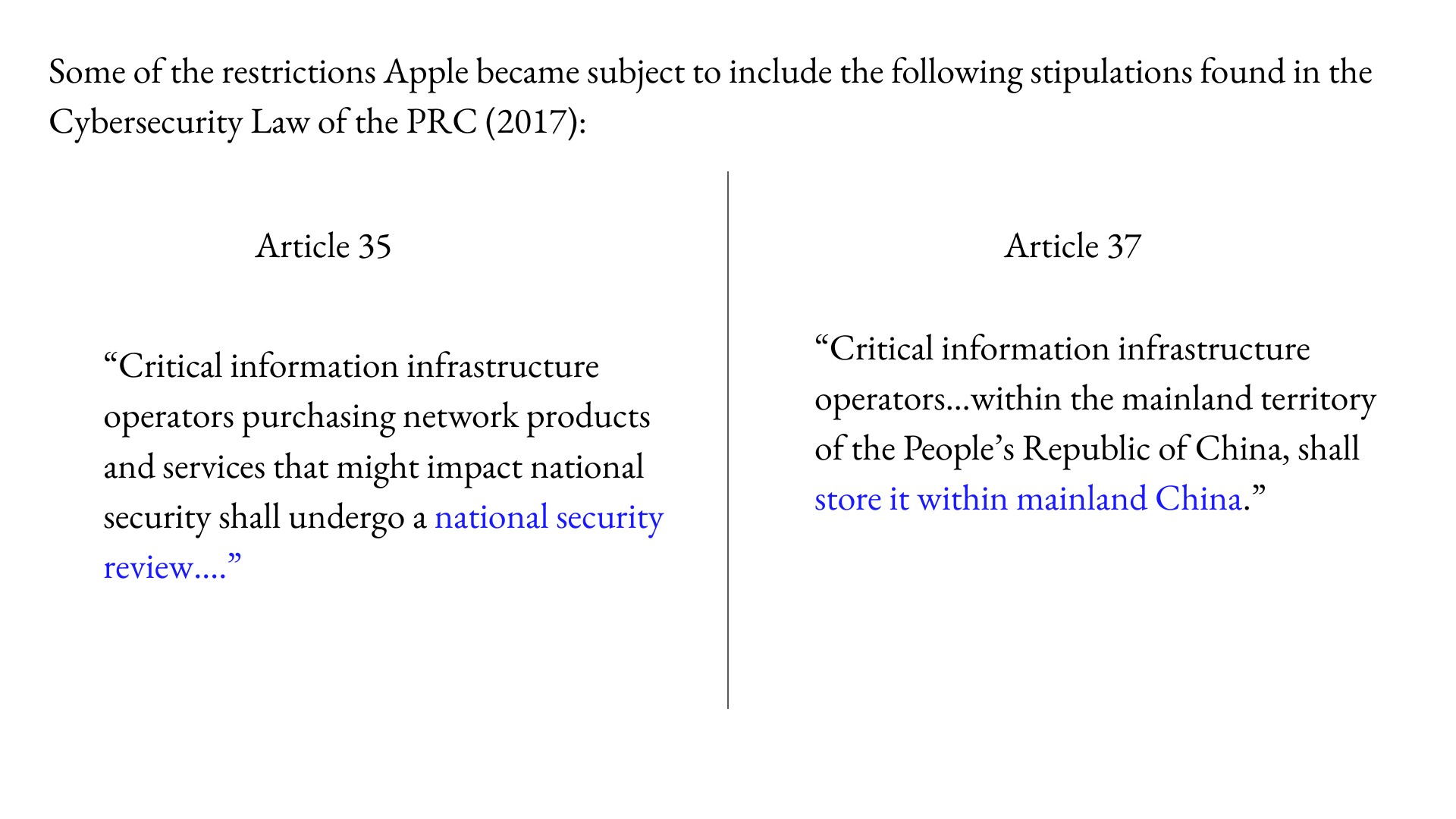
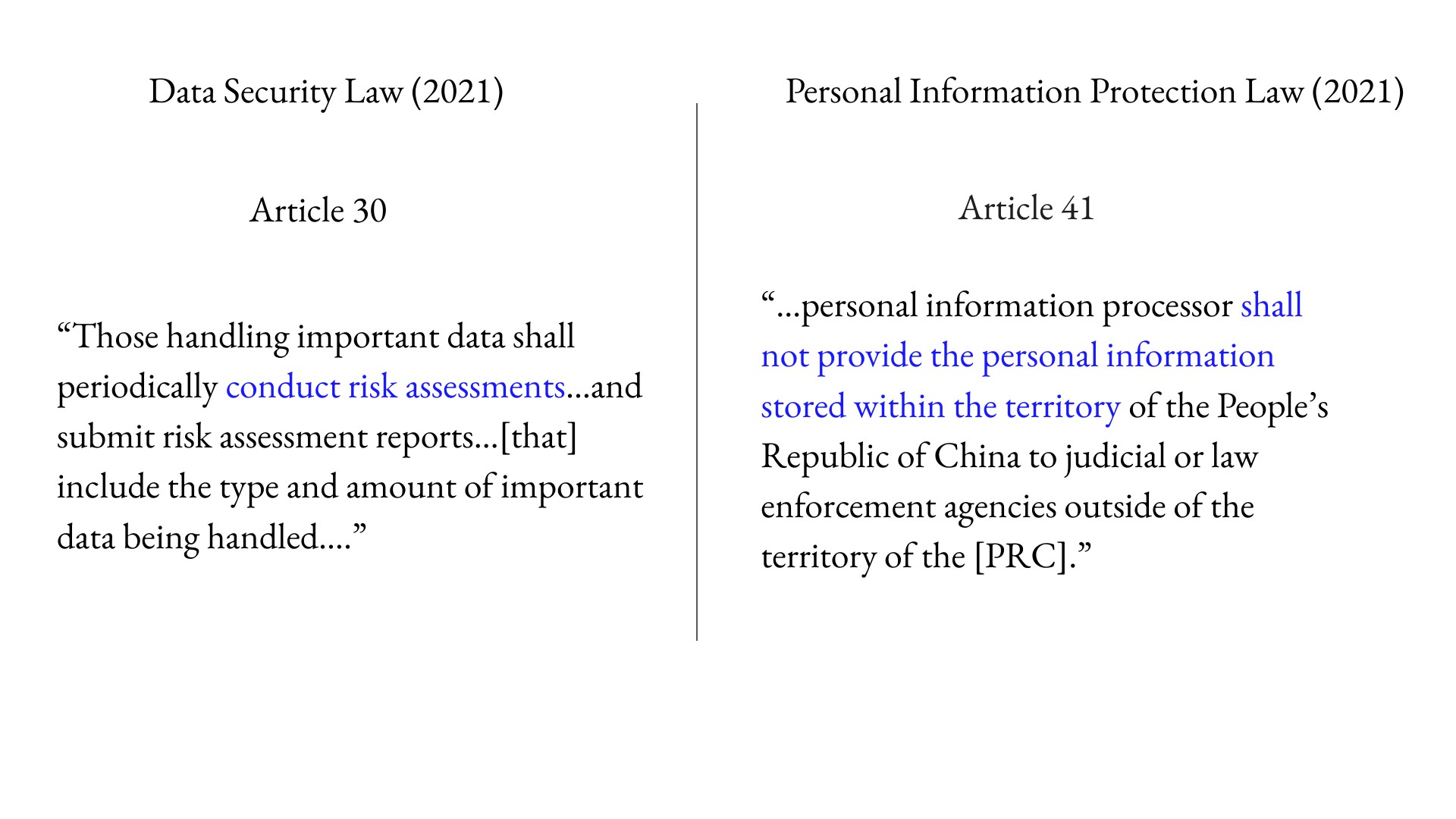
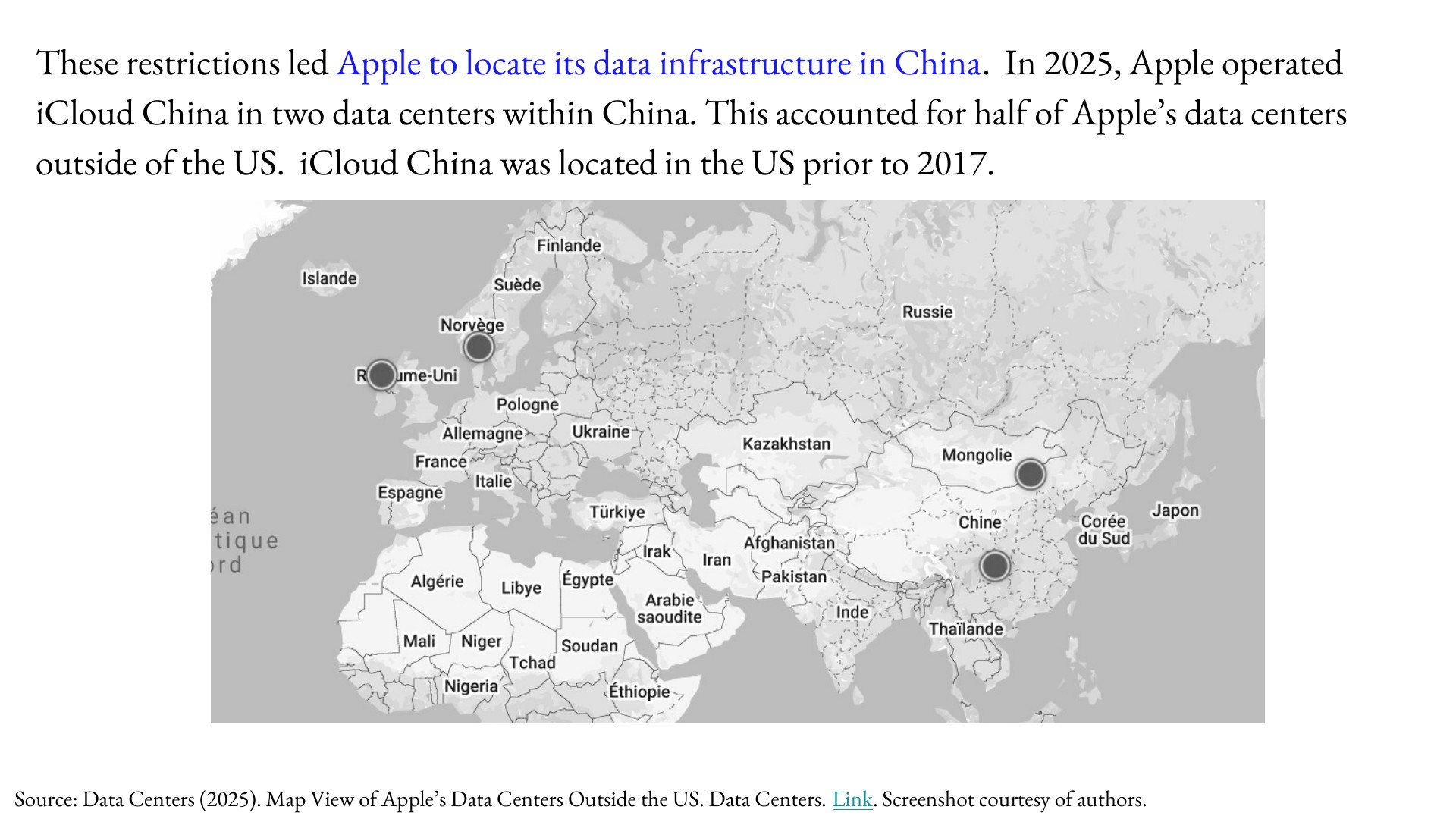
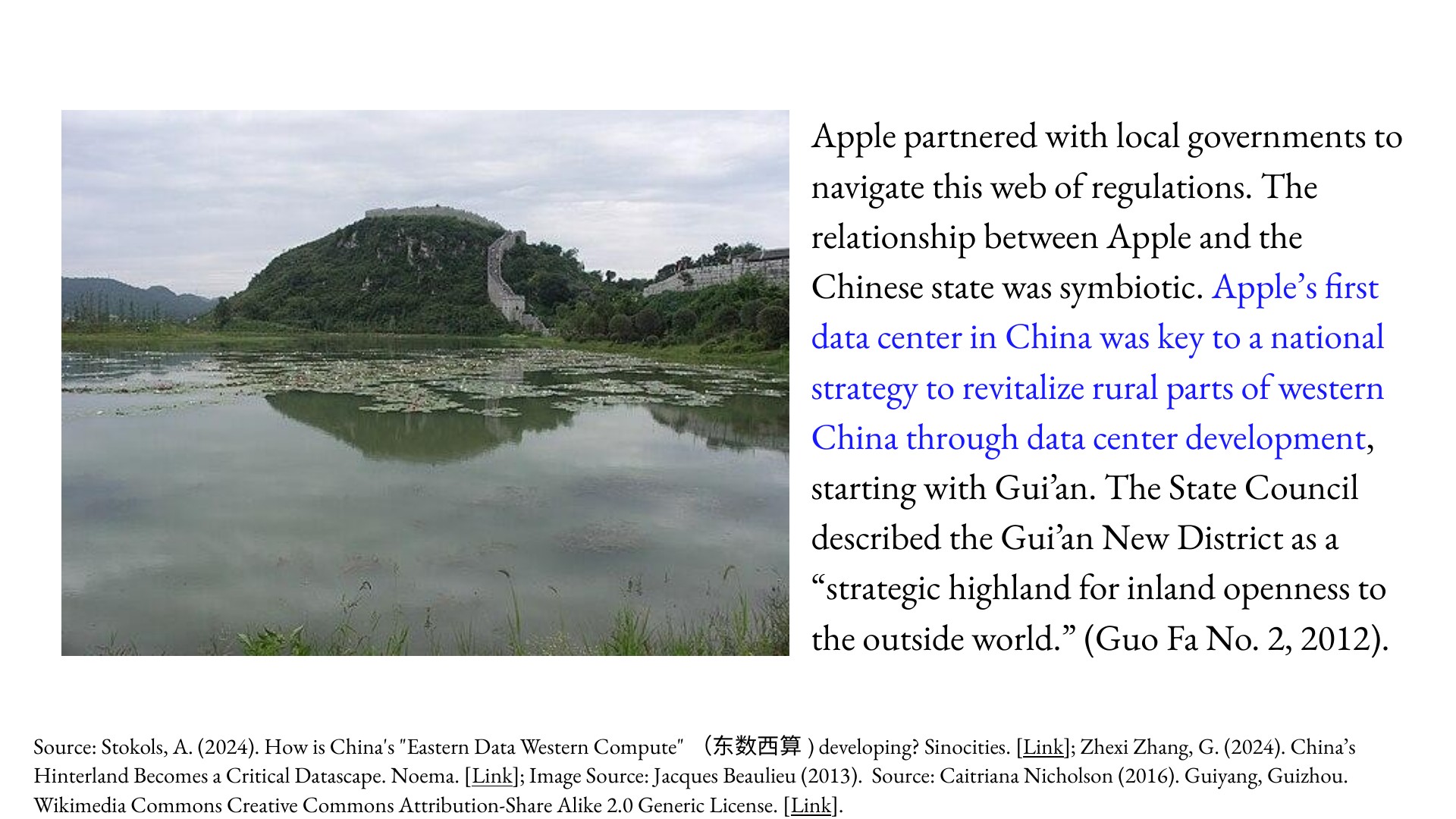
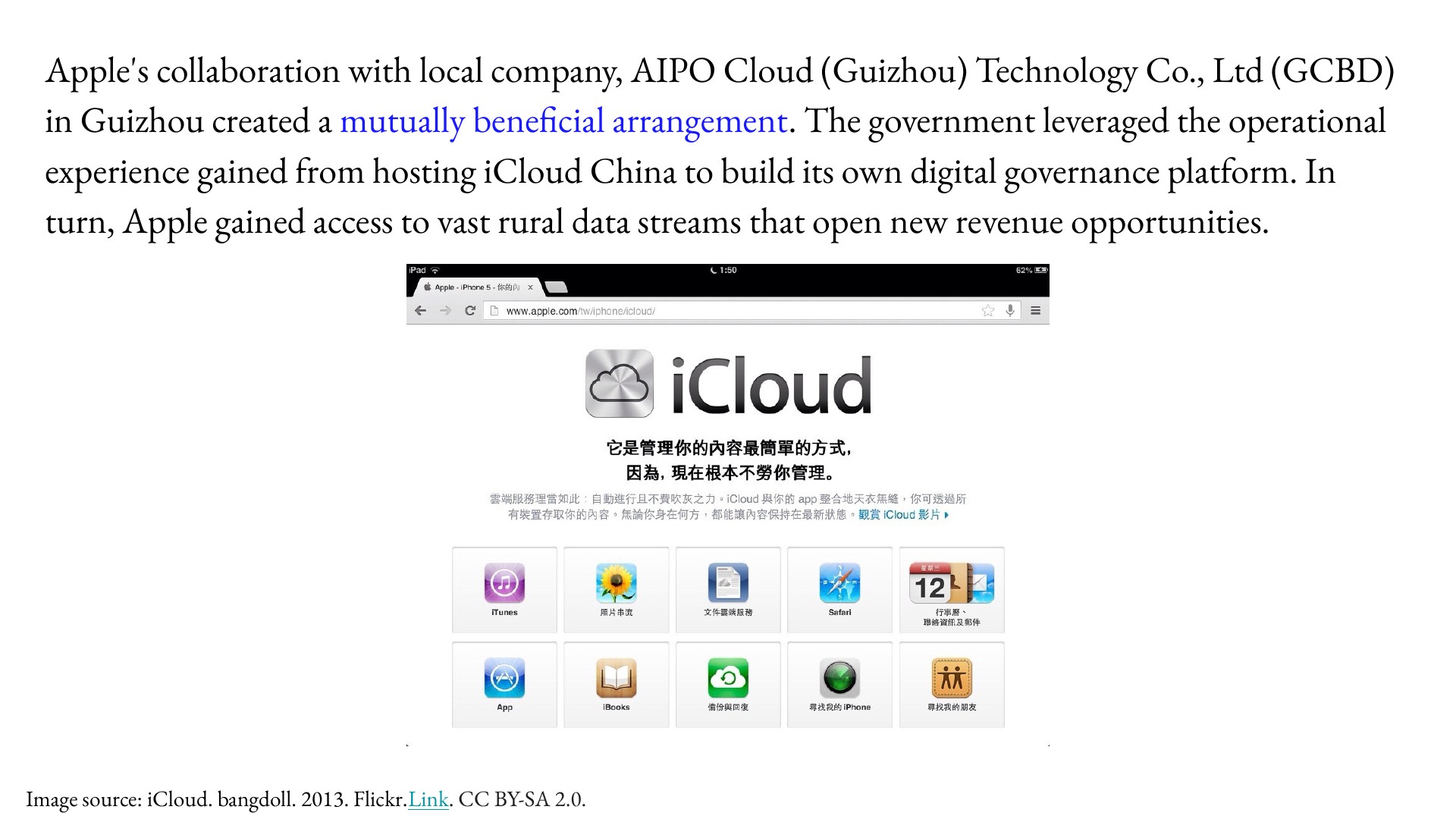
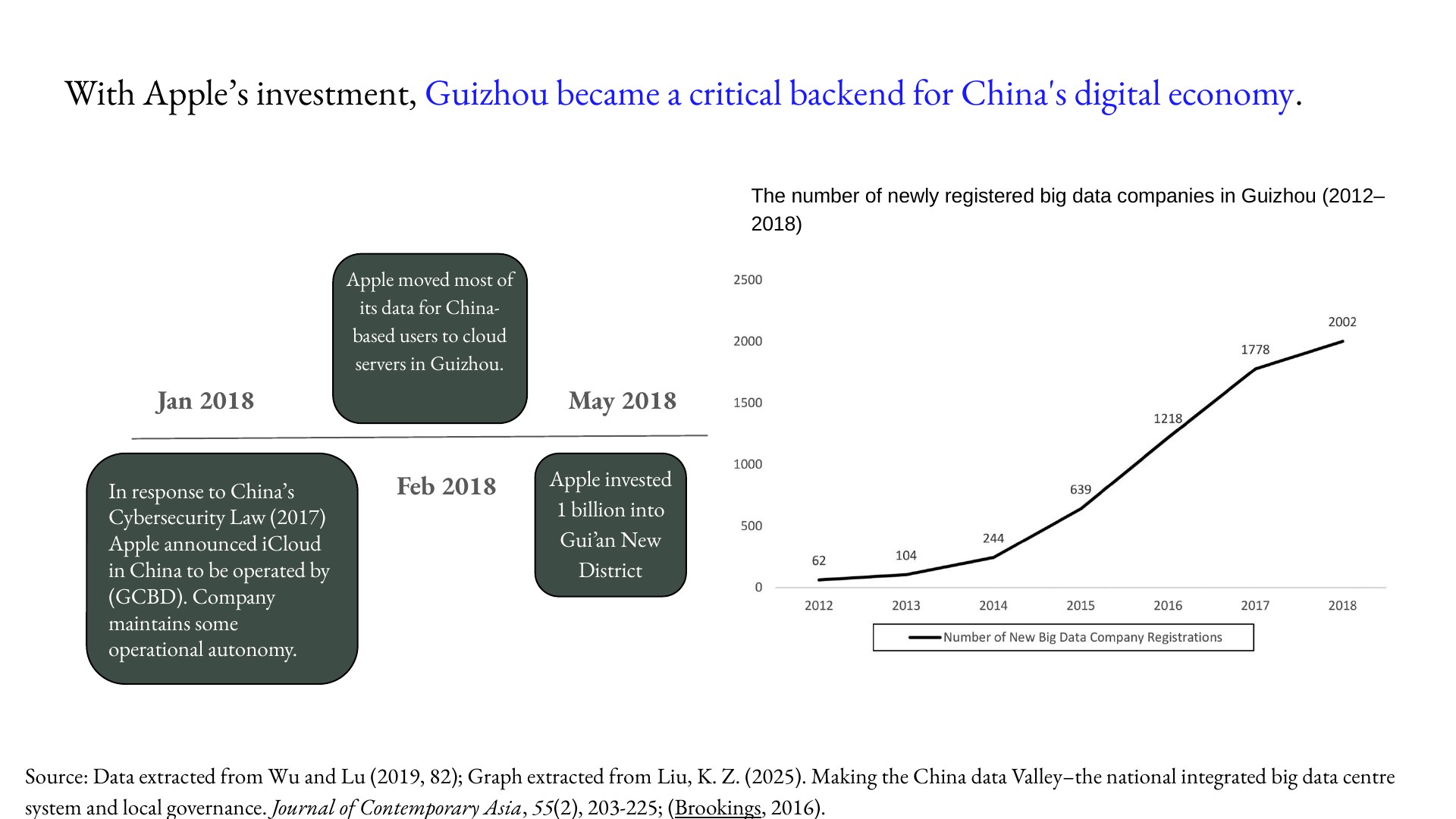
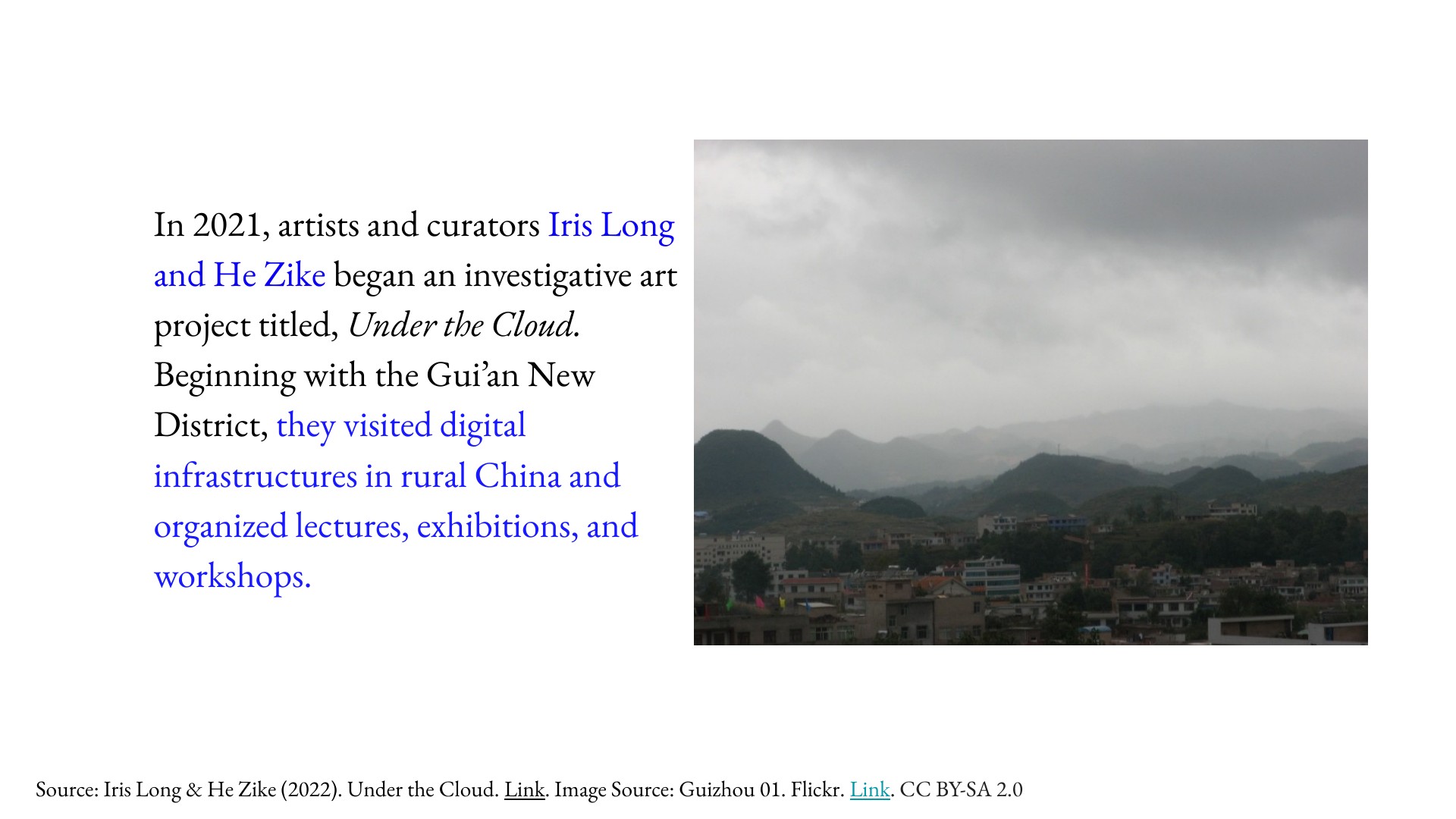
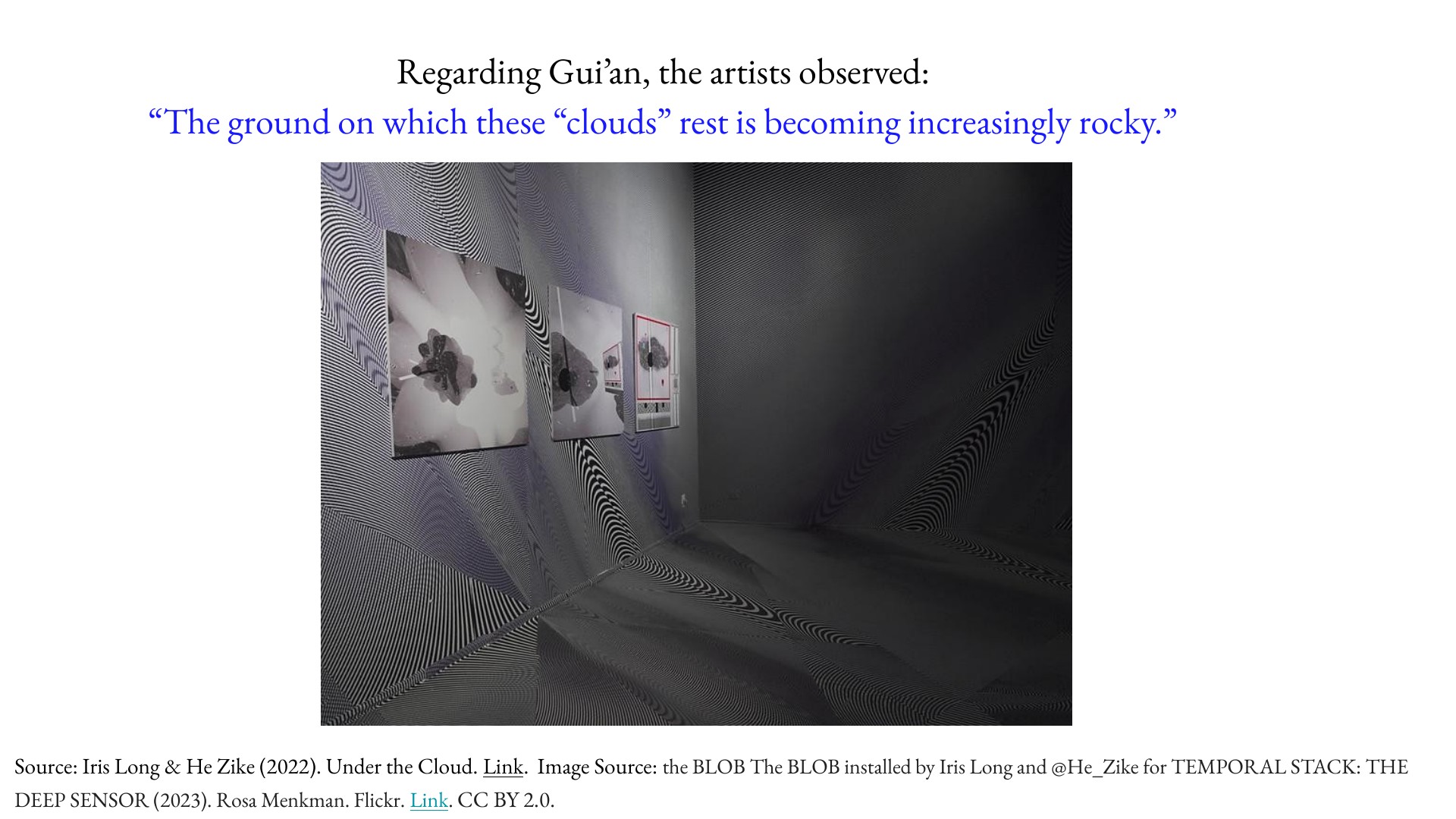
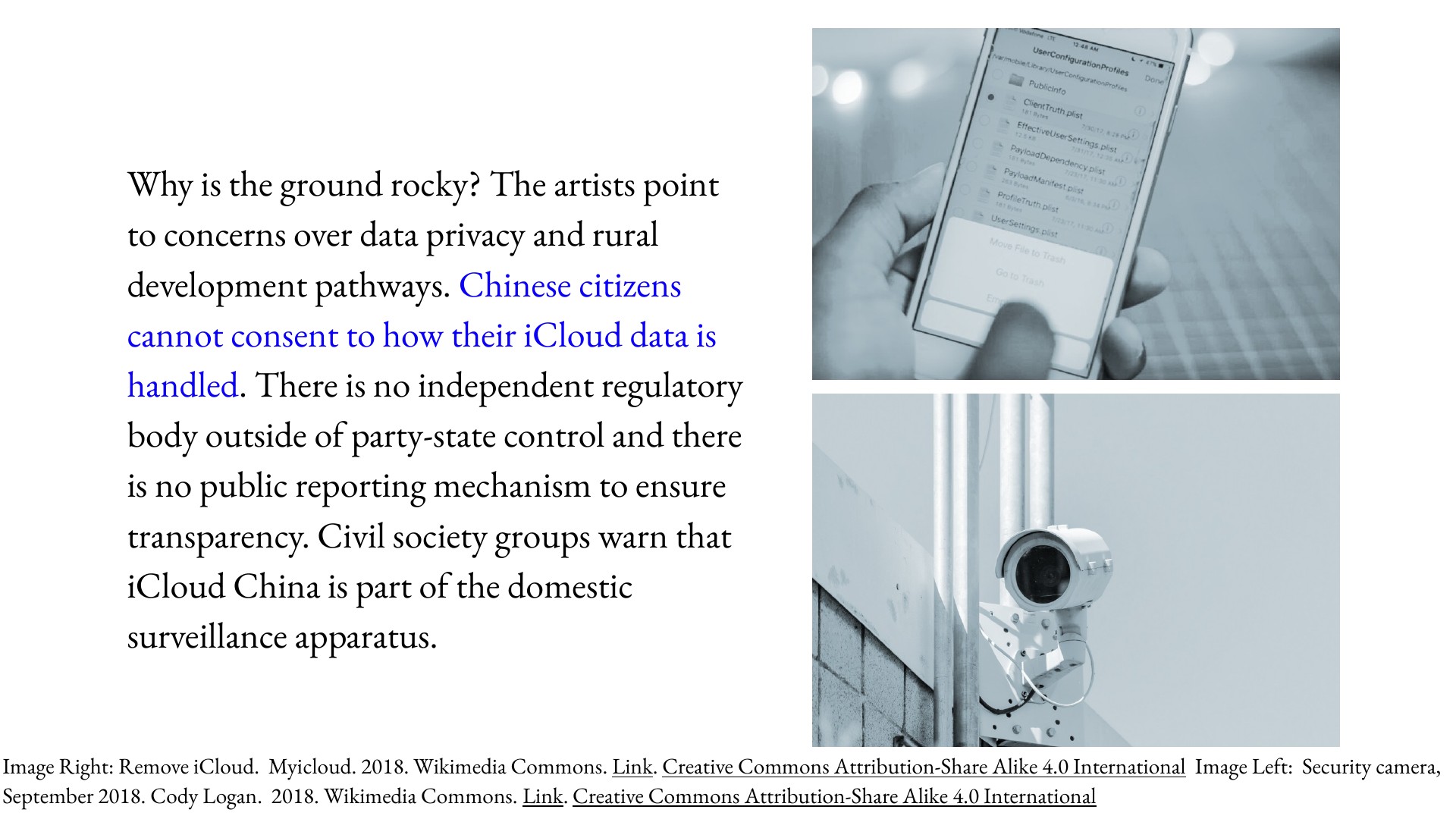
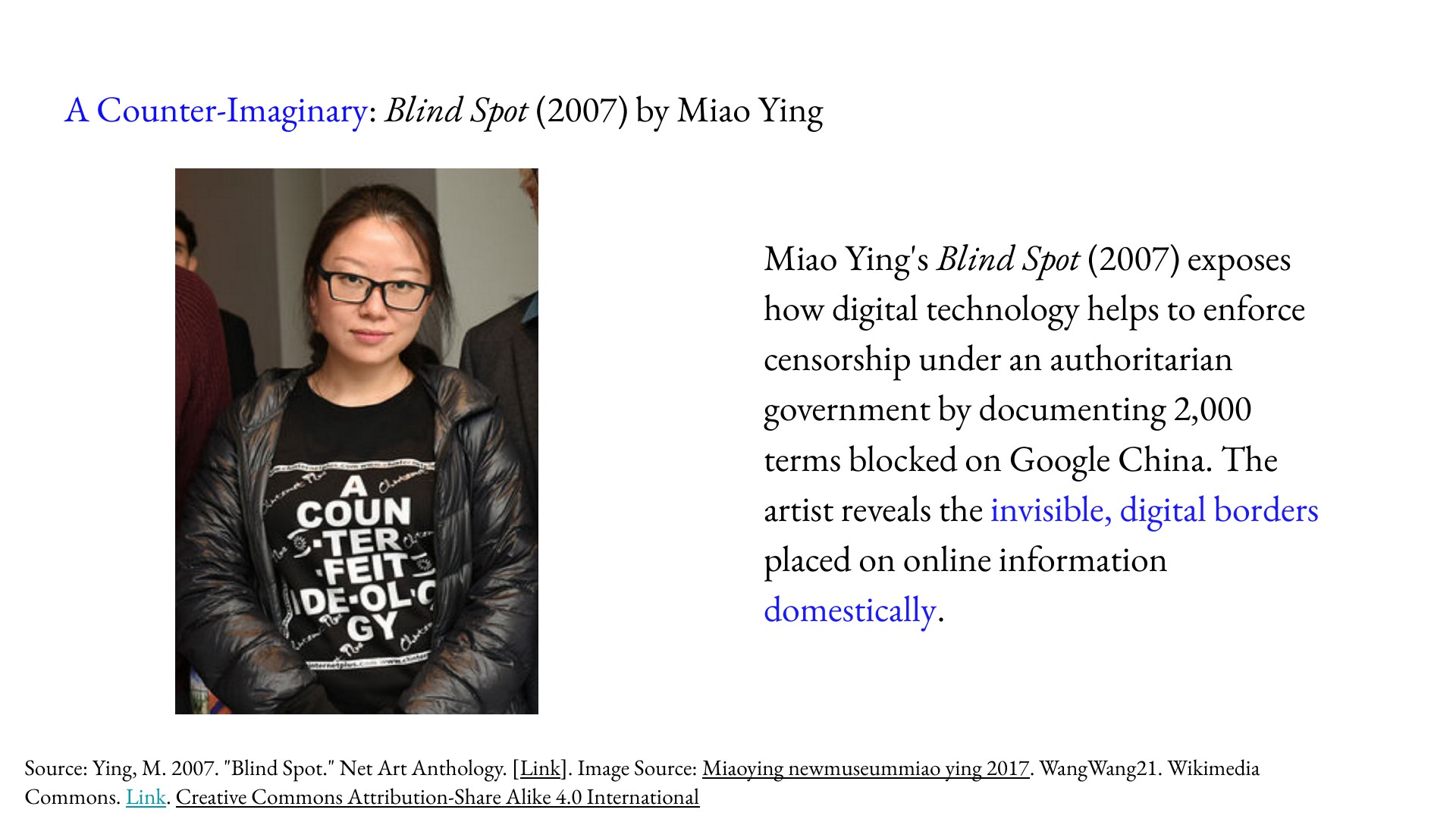
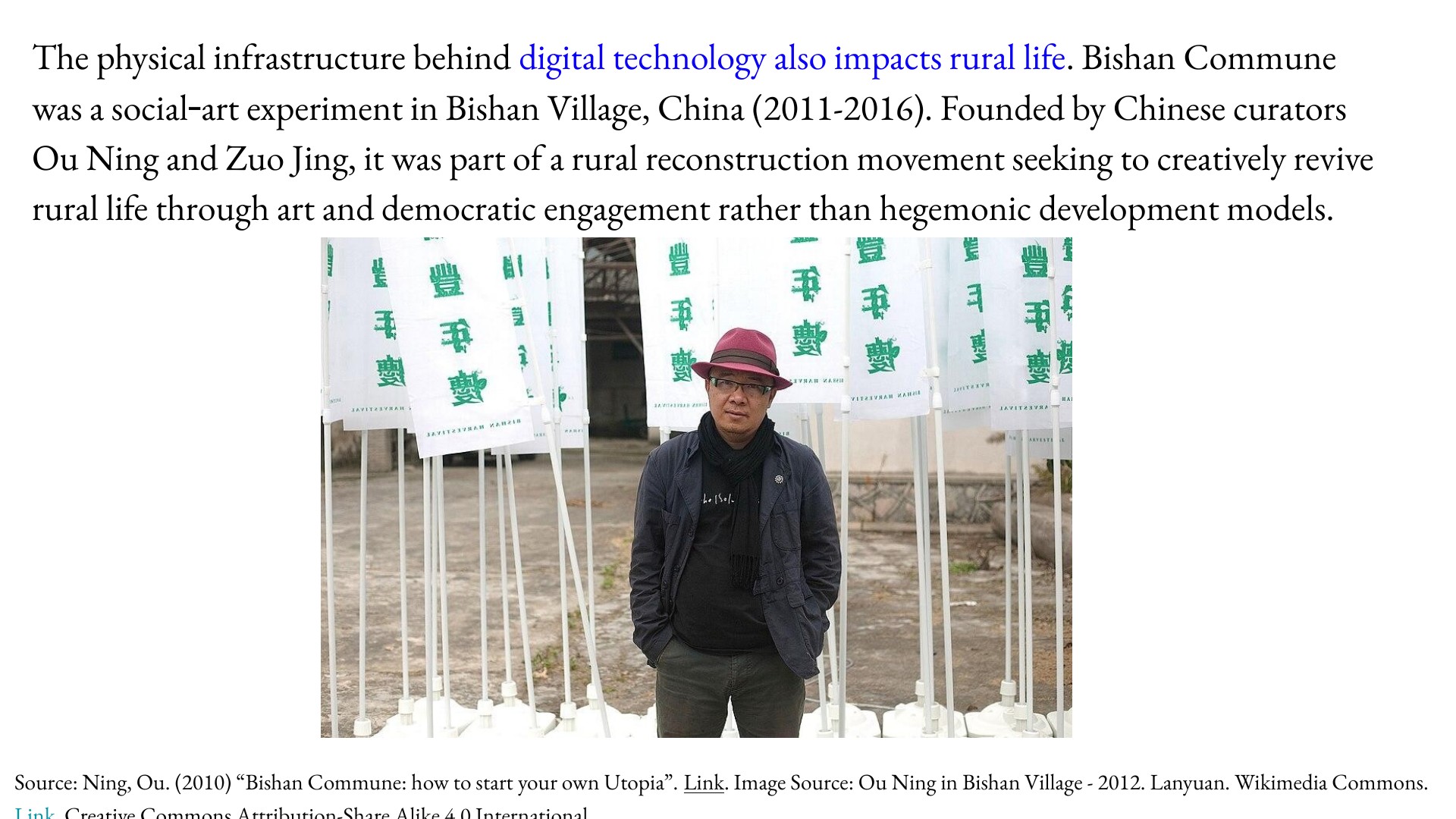
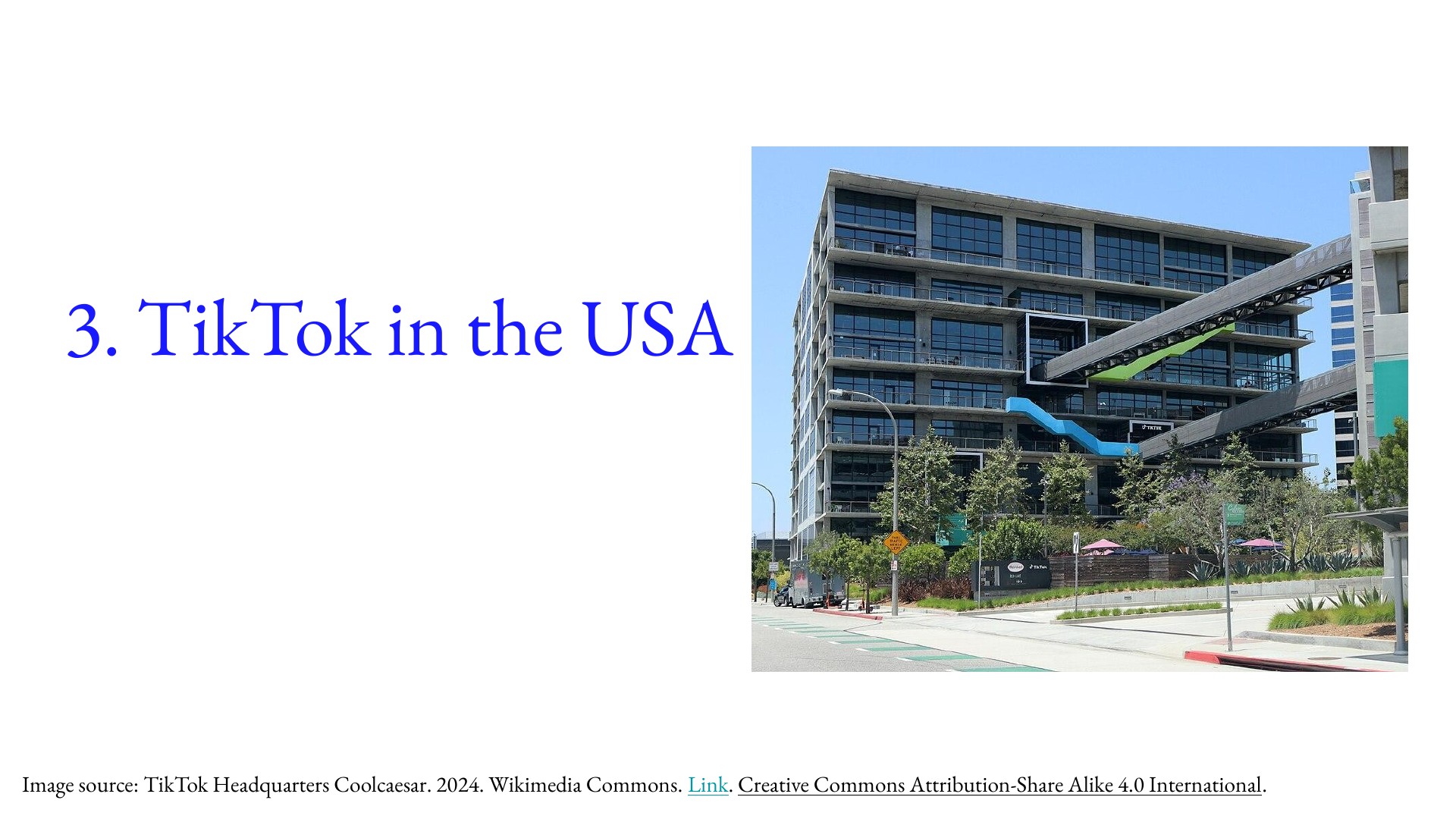
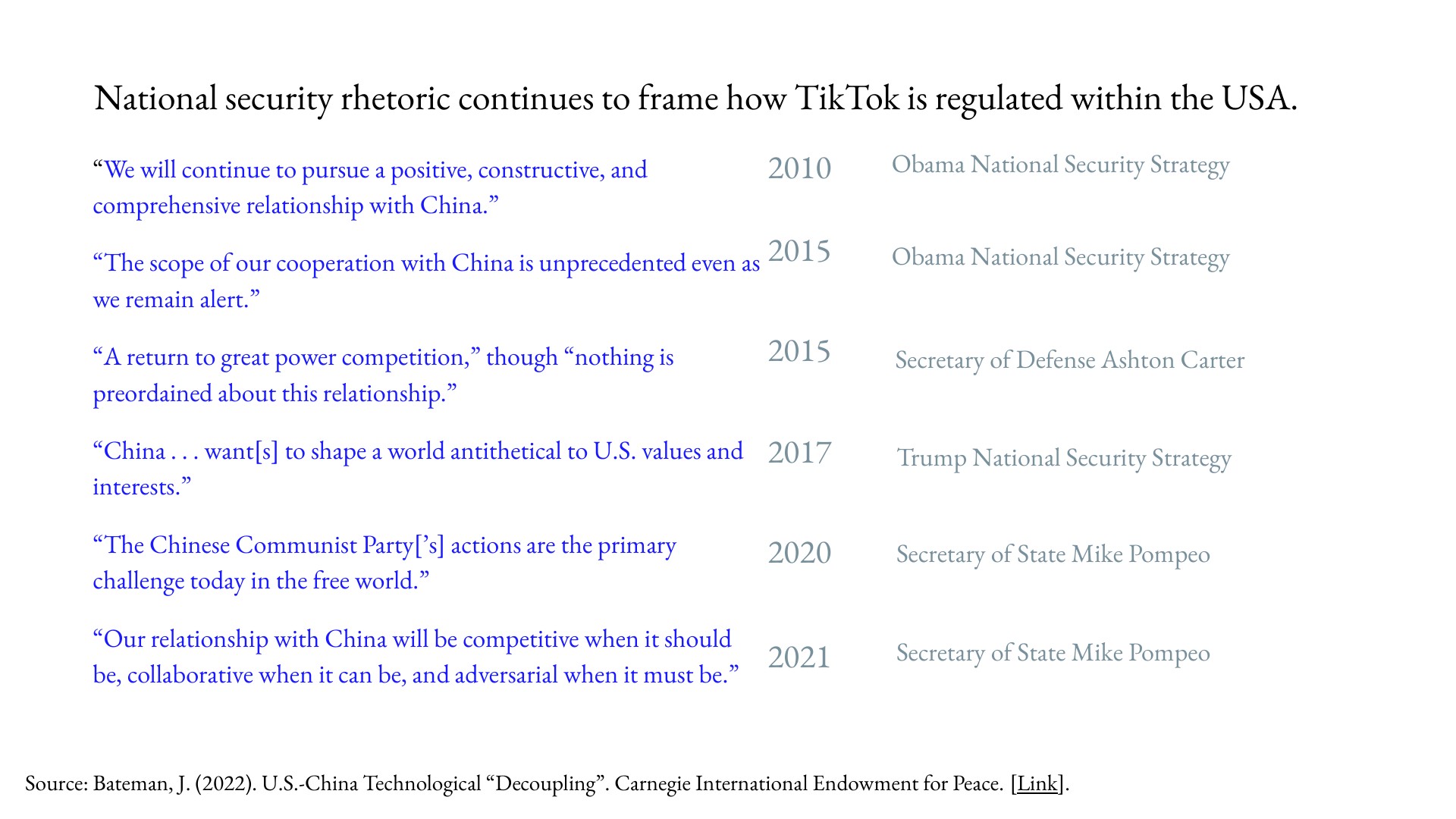
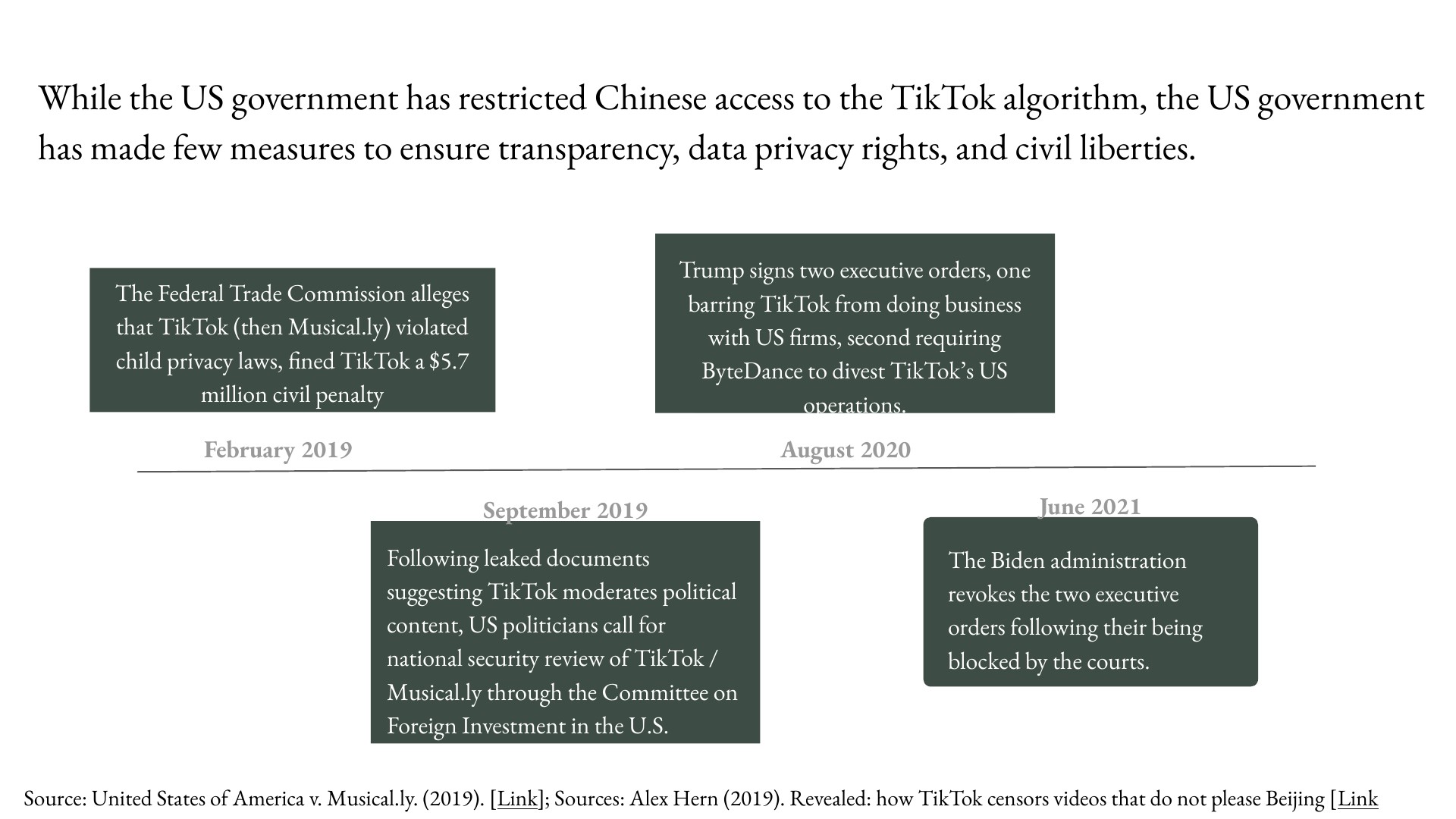
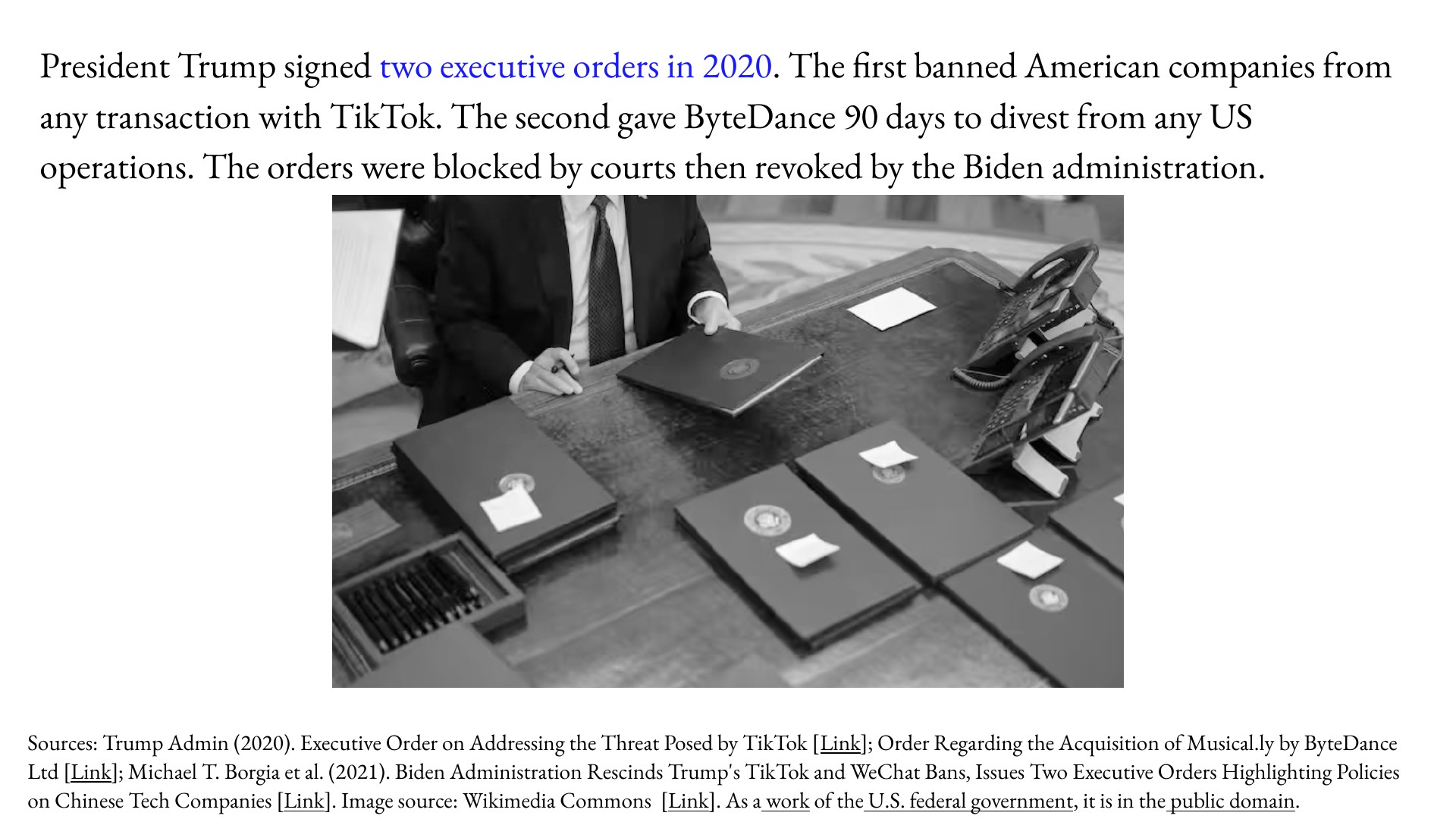
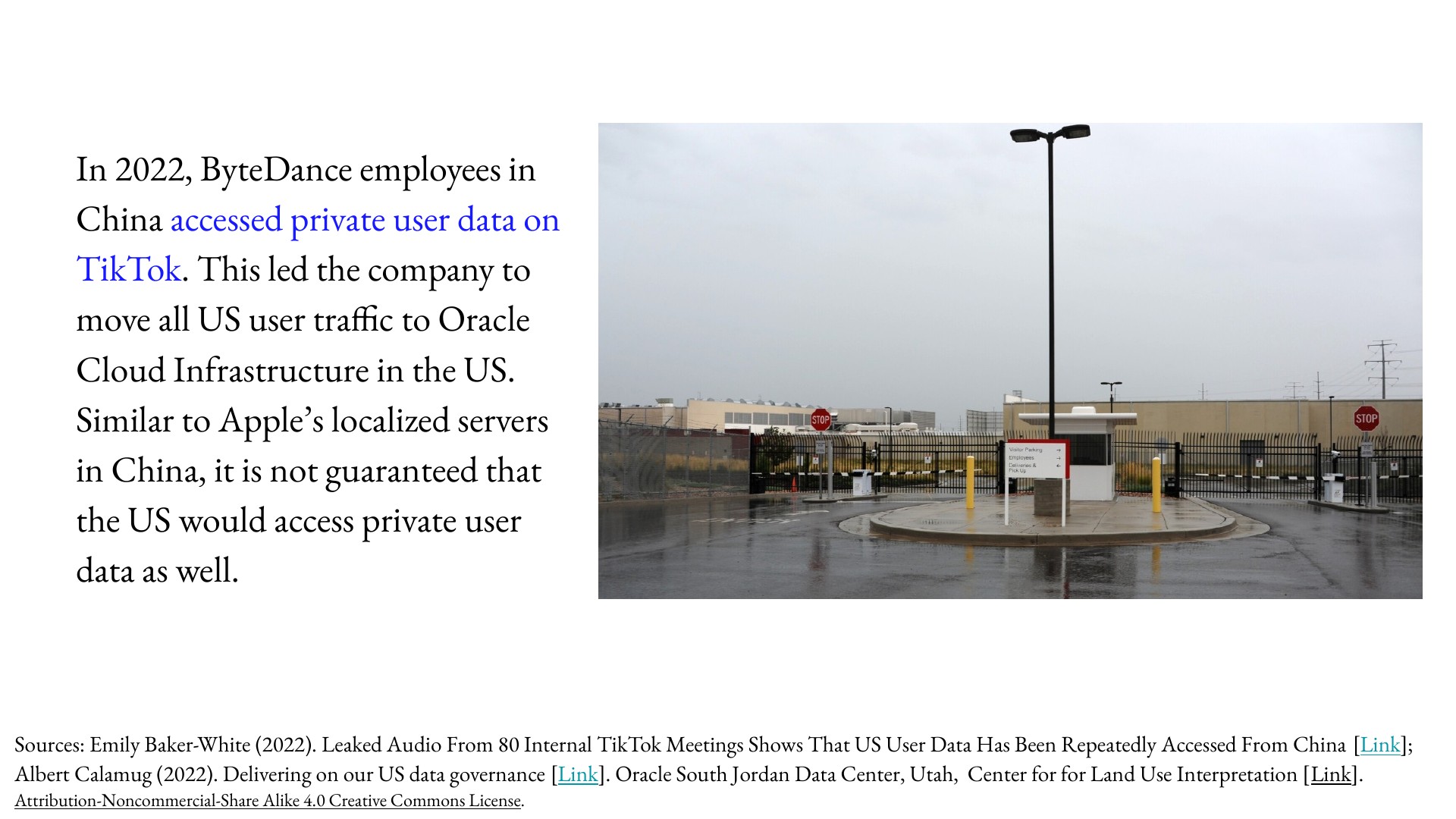
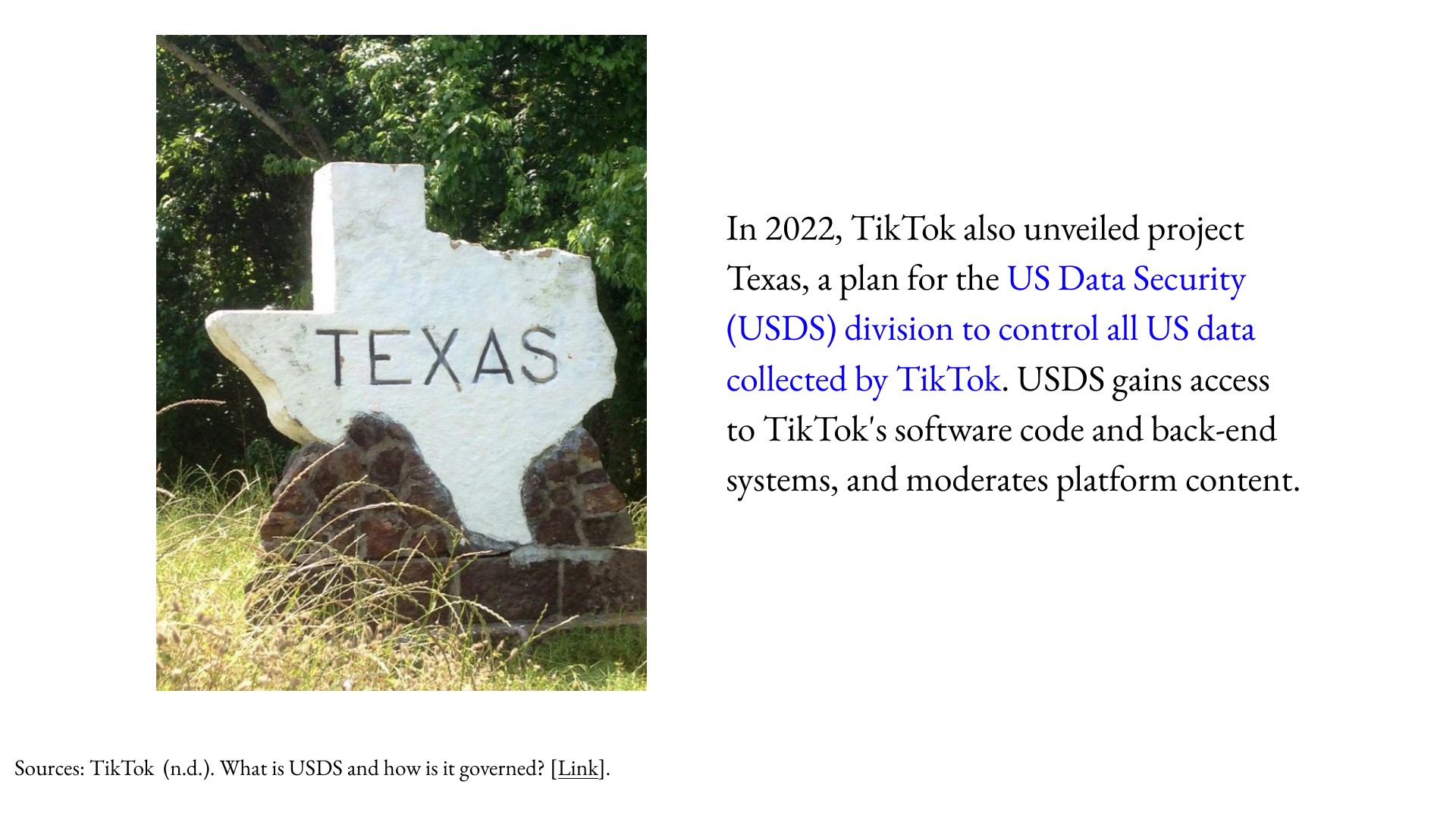
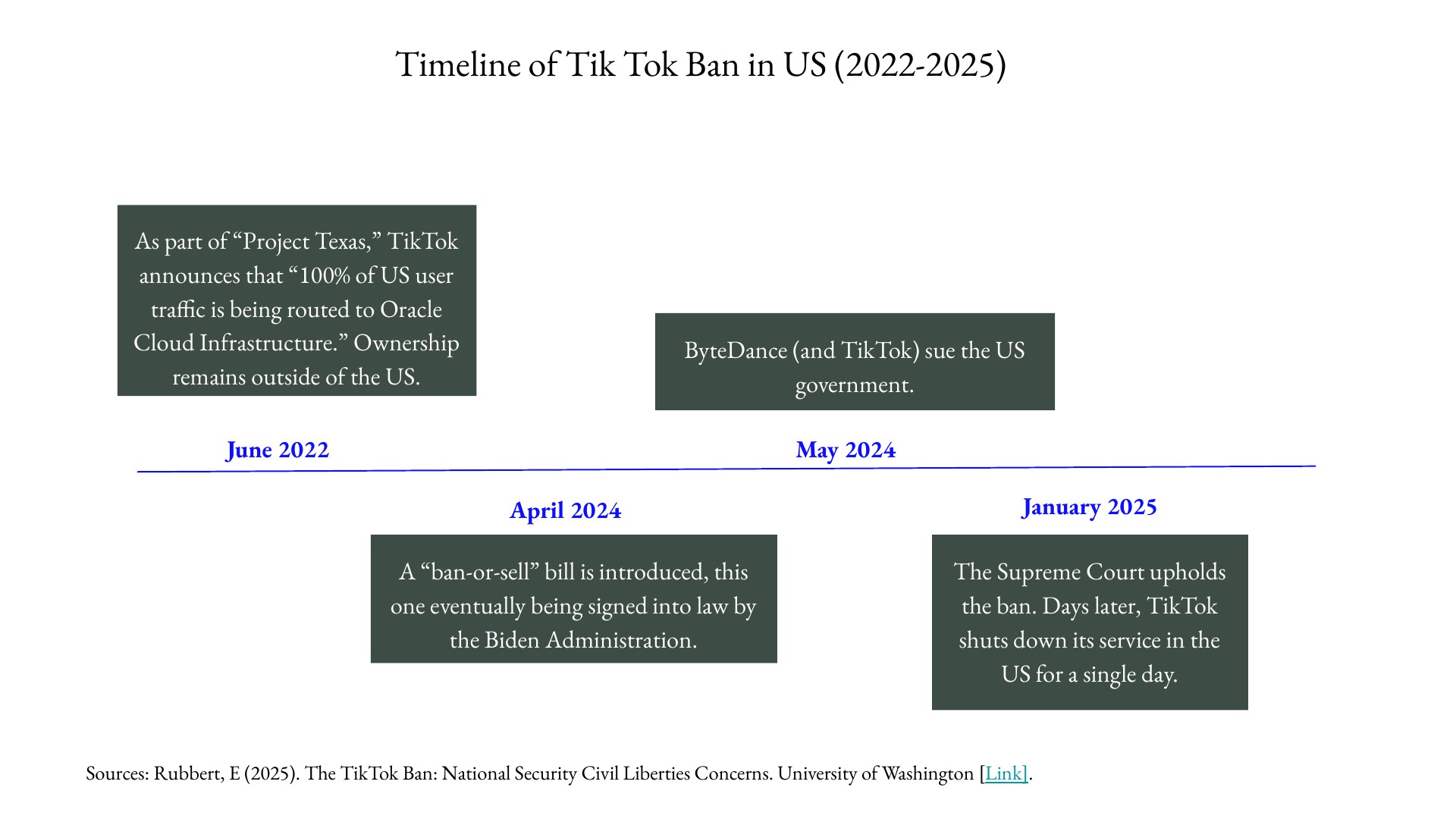
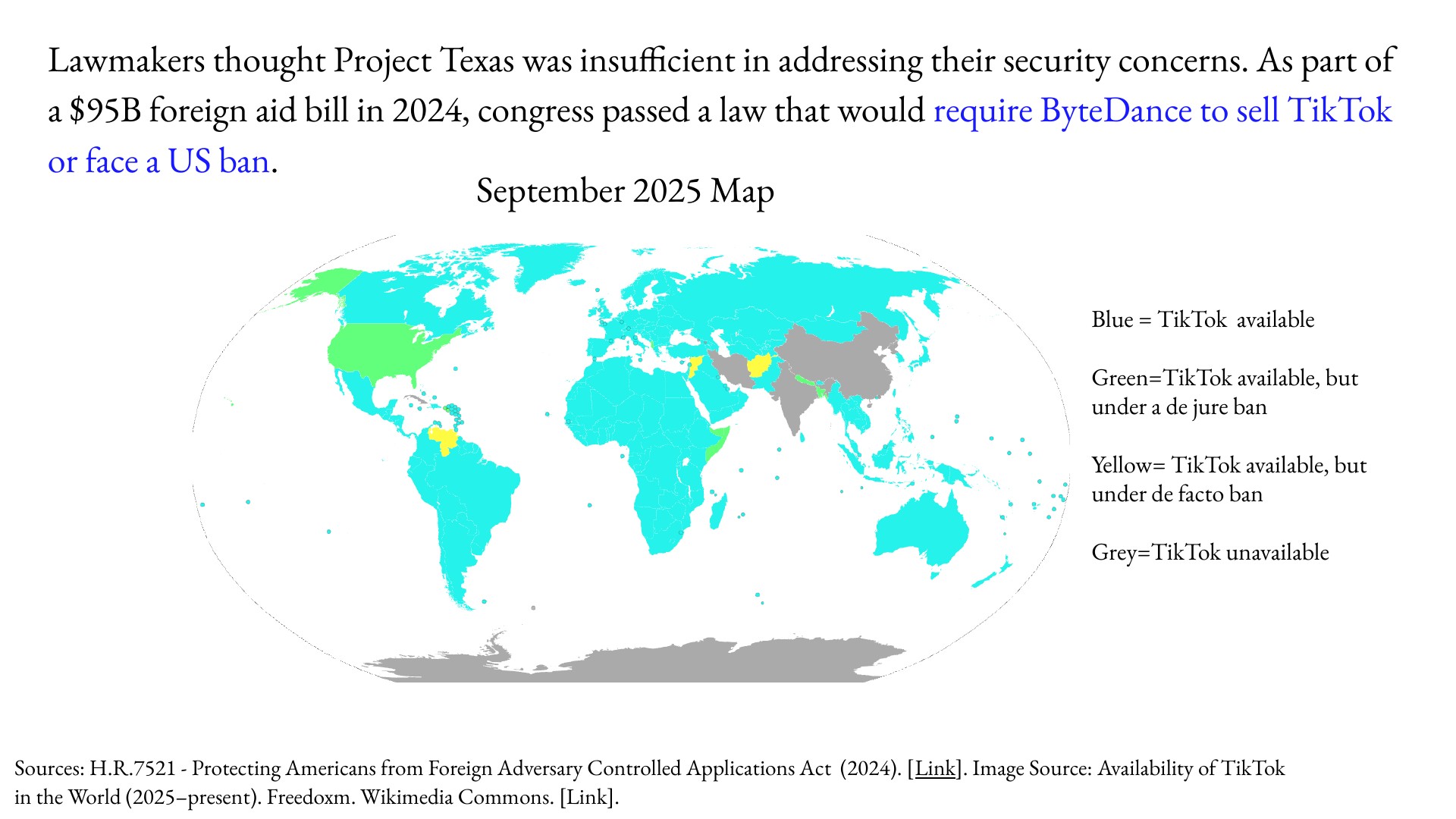
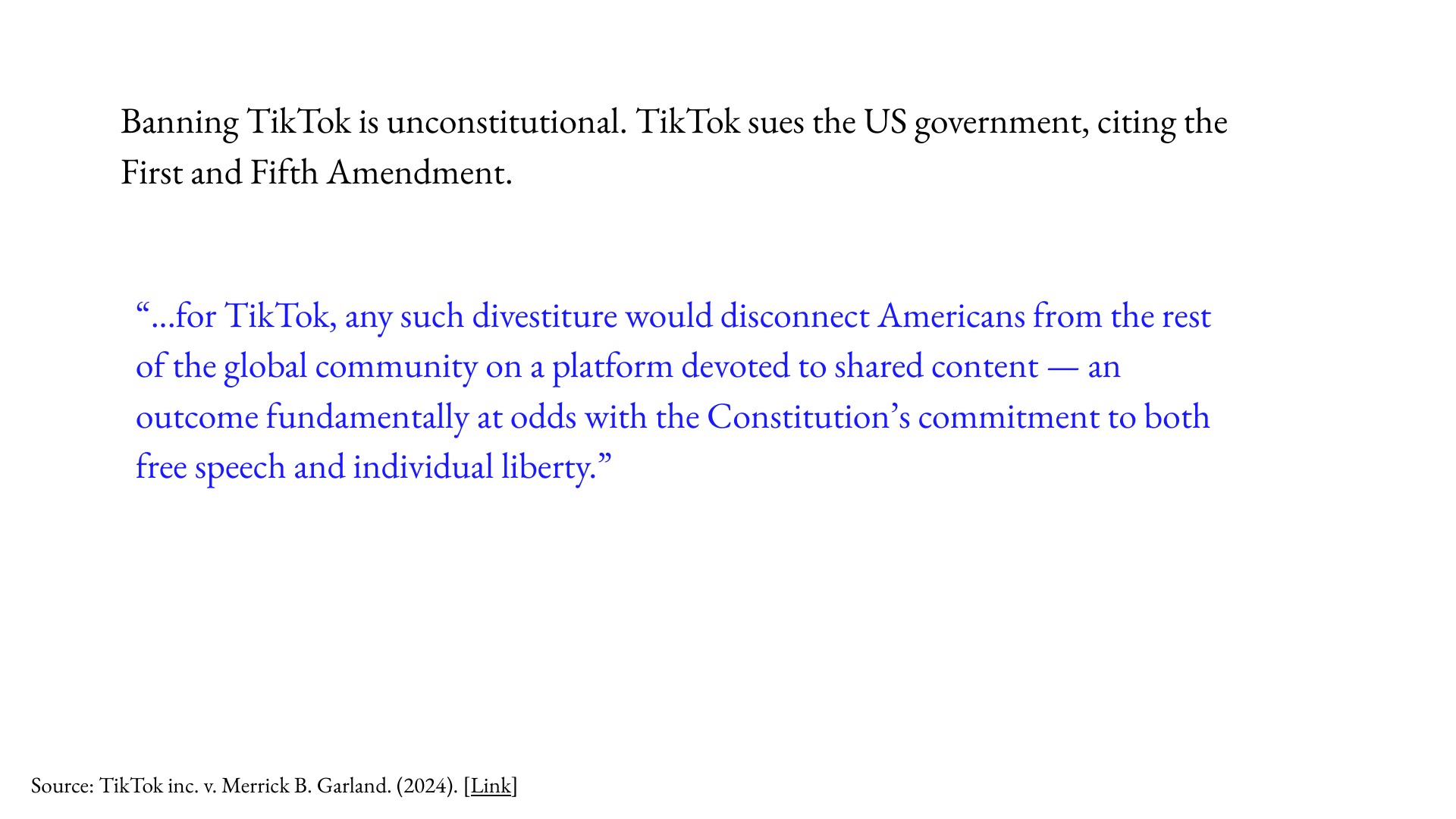
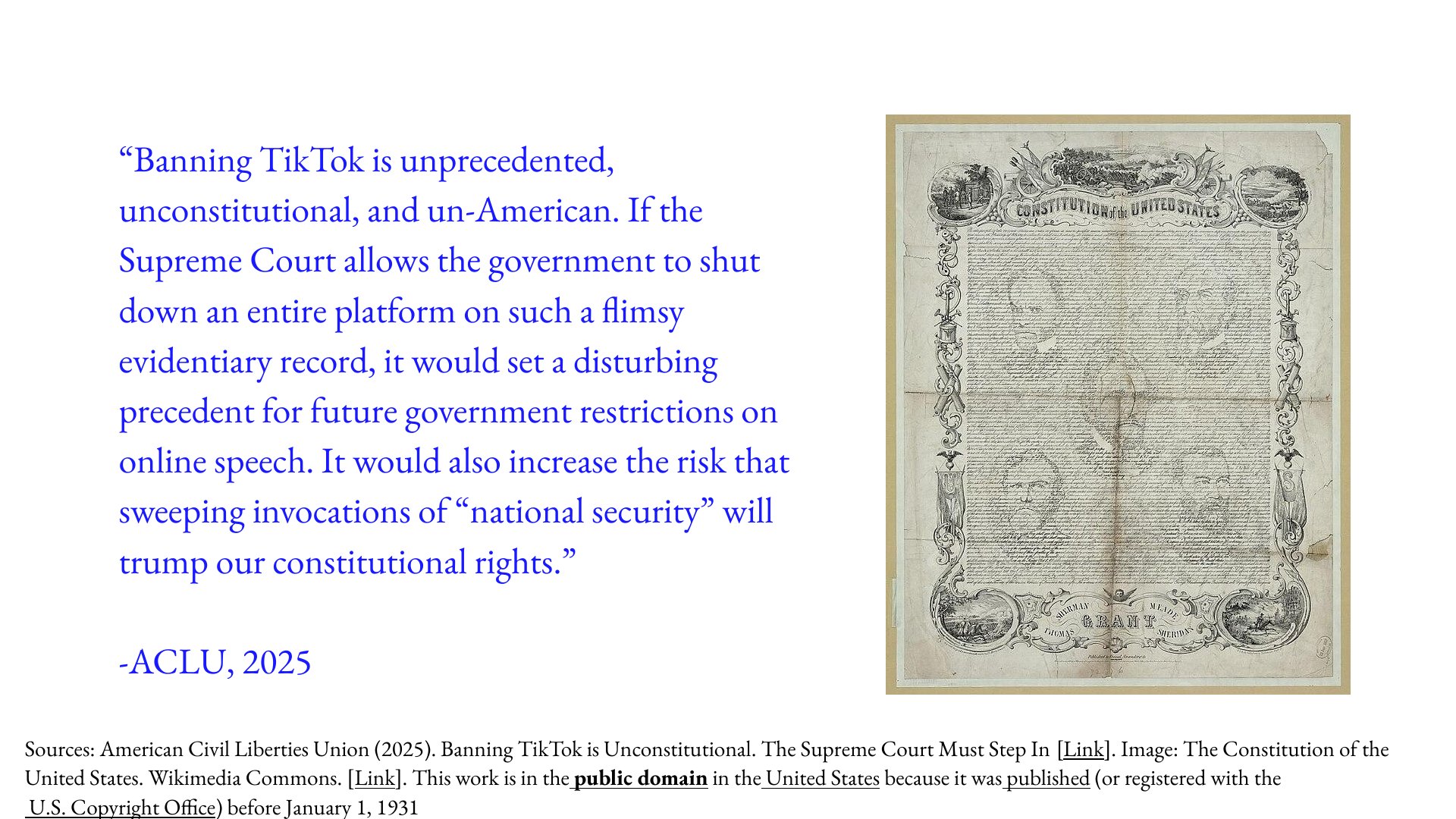
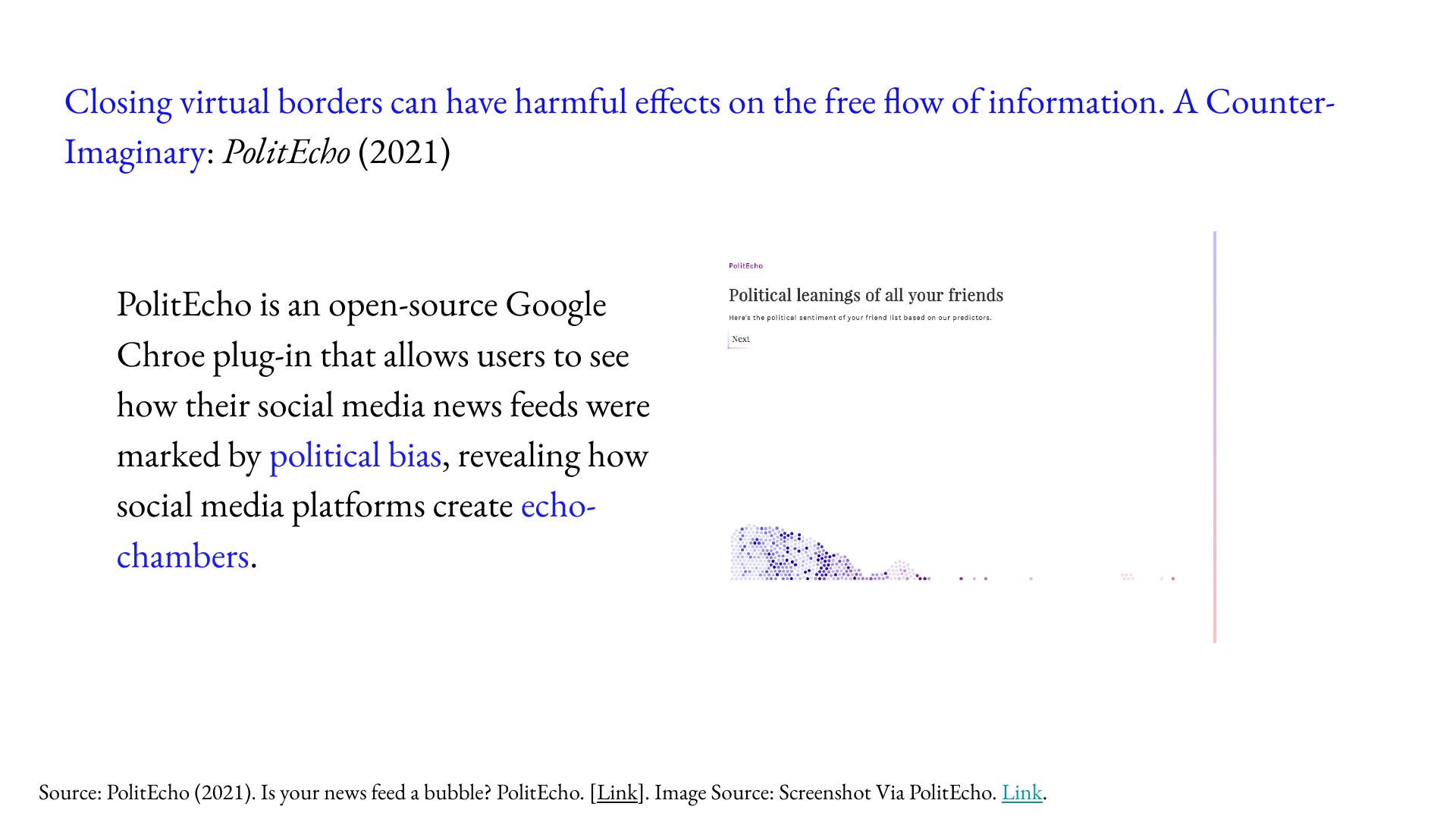
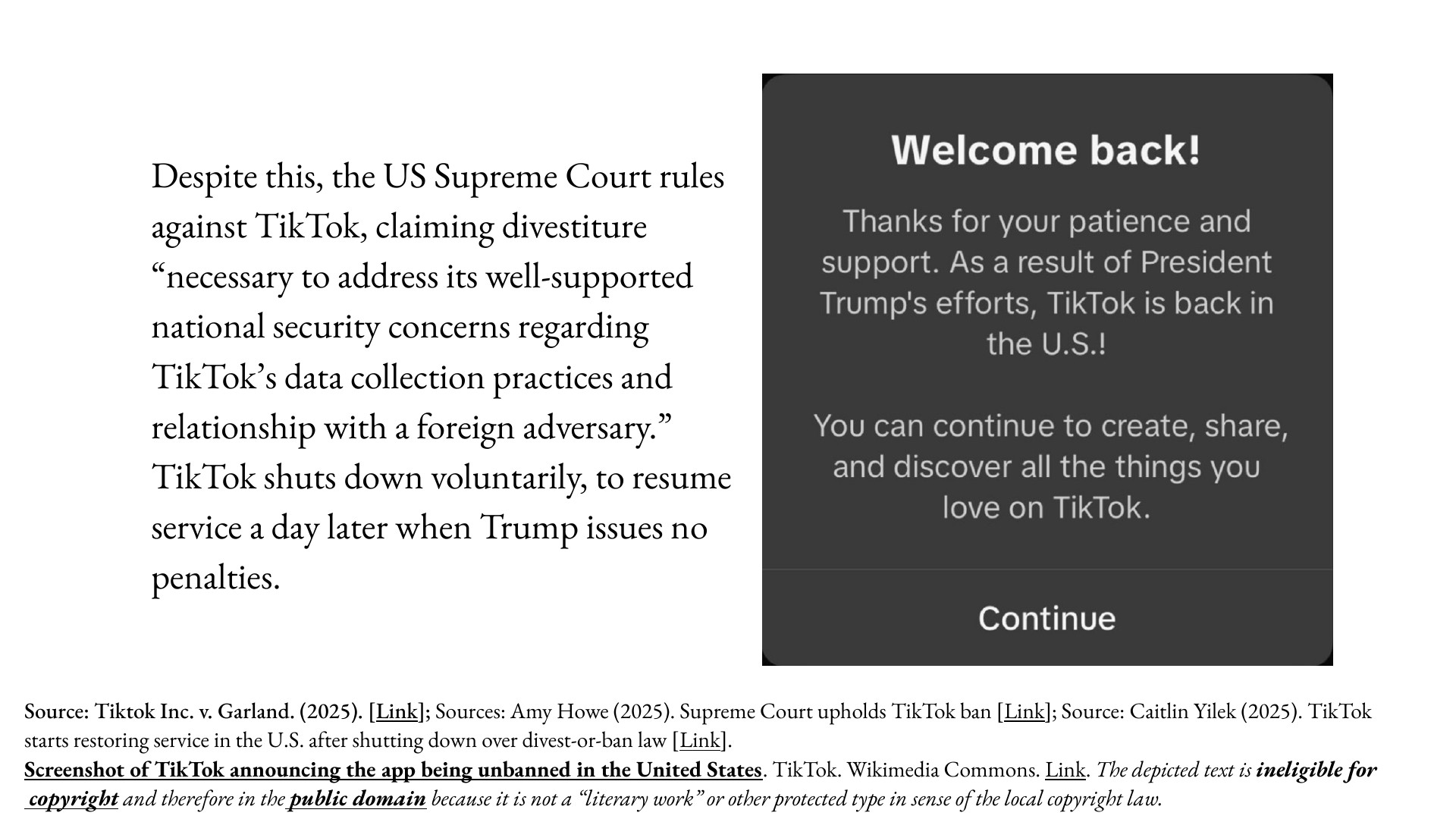
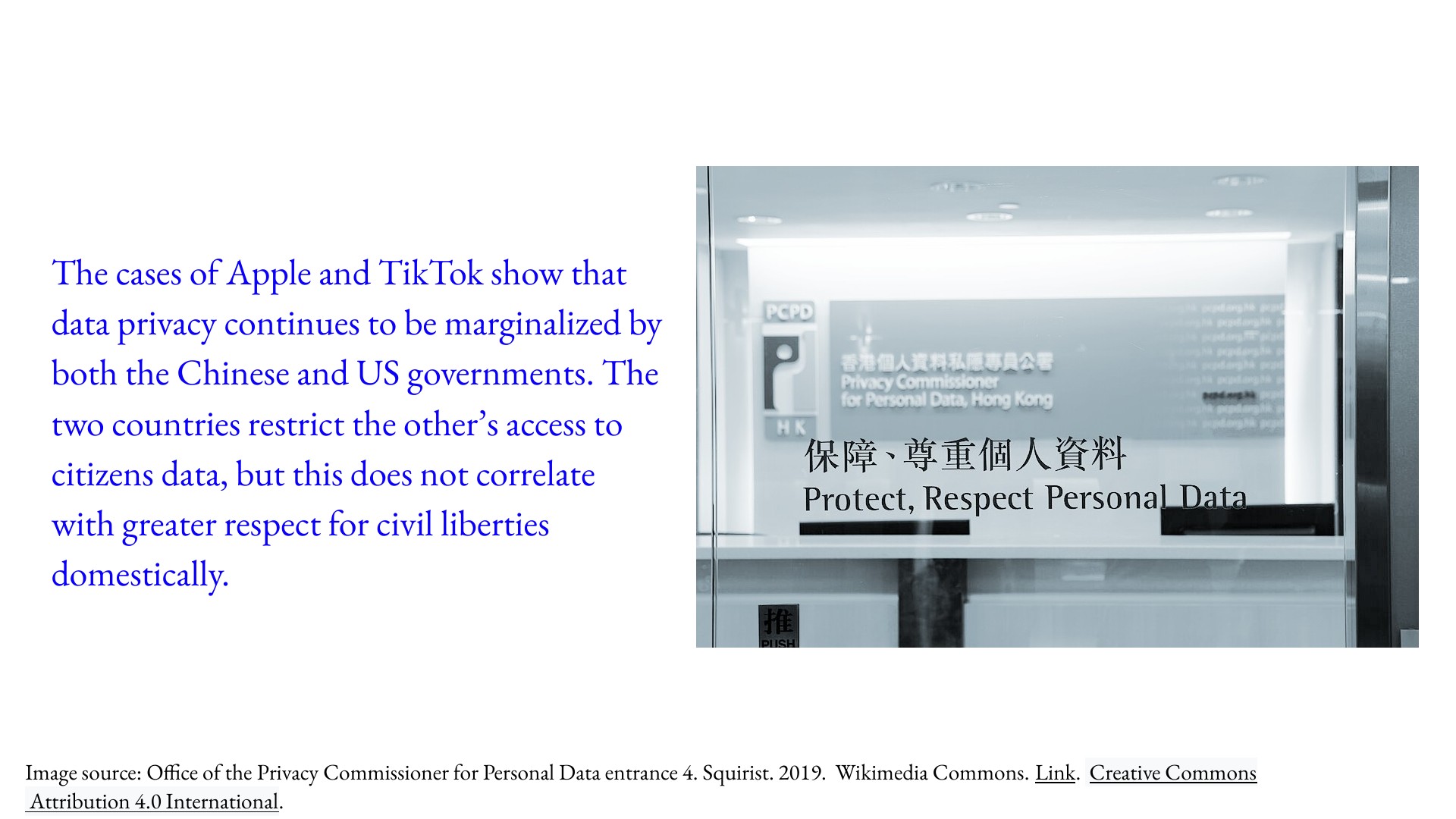
The researchers track the shifting fields of US-China tech regulation and perform a case study of how each country’s technology industries continue to be enmeshed. They explore how digital infrastructure owned by Apple continues to operate in China and digital infrastructure owned by TikTok continues to operate in the US. This work thus complicates conventional notions of digital sovereignty, referring broadly to control over the movement and use of data, by detailing the overlap of two nation’s technology industries. It also documents the emerging political debates concerning the free flow of data across borders, including how local communities have responded to the presence of Apple and TikTok digital infrastructure.

Isadora Bratton-Benfield is an artist, researcher, and PhD student in the Department of Film & Media at the University of California, Berkeley. Her work traces the histories of digital infrastructure and industrial sites, framing them as designed environments that sit within shifting fields of political contestation. She examines how these infrastructures mediate between local conditions and global flows, with particular attention to moments of transformation and rupture. Her interests also include twentieth-century media theory, the philosophy of technology, and Marxist political theory. Her writing has appeared in the Journal of Visual Culture. She holds an MSc in Media, Communication, and Development from the London School of Economics and Political Science.
.
Xuewei (Sylvia) Luo is a third-year undergraduate student at UC Berkeley from Beijing, majoring in History of Art. She is interested in tech law and entertainment law, with a focus on soft IP litigation. She joined the GDI research team as an Undergraduate Research Apprentice through URAP in Fall 2025, where she contributed to research on US-China digital borders. She will continue her work with GDI as a Summer Research Fellow, supporting the development of GDI Summer Certificate course materials.
Martina Wu is a freshman at UC Berkeley from Shanghai and an intended double major in Global Studies and Data Science (emphasis in Data Arts and Humanities). Having joined the Global Digital Infrastructures team through URAP Fall 2025, she helped produce research on China-US Digital Borders and is currently working on developing materials for GDI Summer Certificate courses.